
Key facts at a glance
- ✓All foreigners staying in Korea for more than 90 days must register and receive an ARC within 90 days of arrival
- ✓The application fee is 30,000 KRW (approximately $22 USD)
- ✓Processing takes 2 to 3 weeks from the date of application
- ✓You apply at the immigration office (출입국관리사무소) in your district
- ✓Korea is transitioning to a digital ARC integrated with mobile apps
Overview
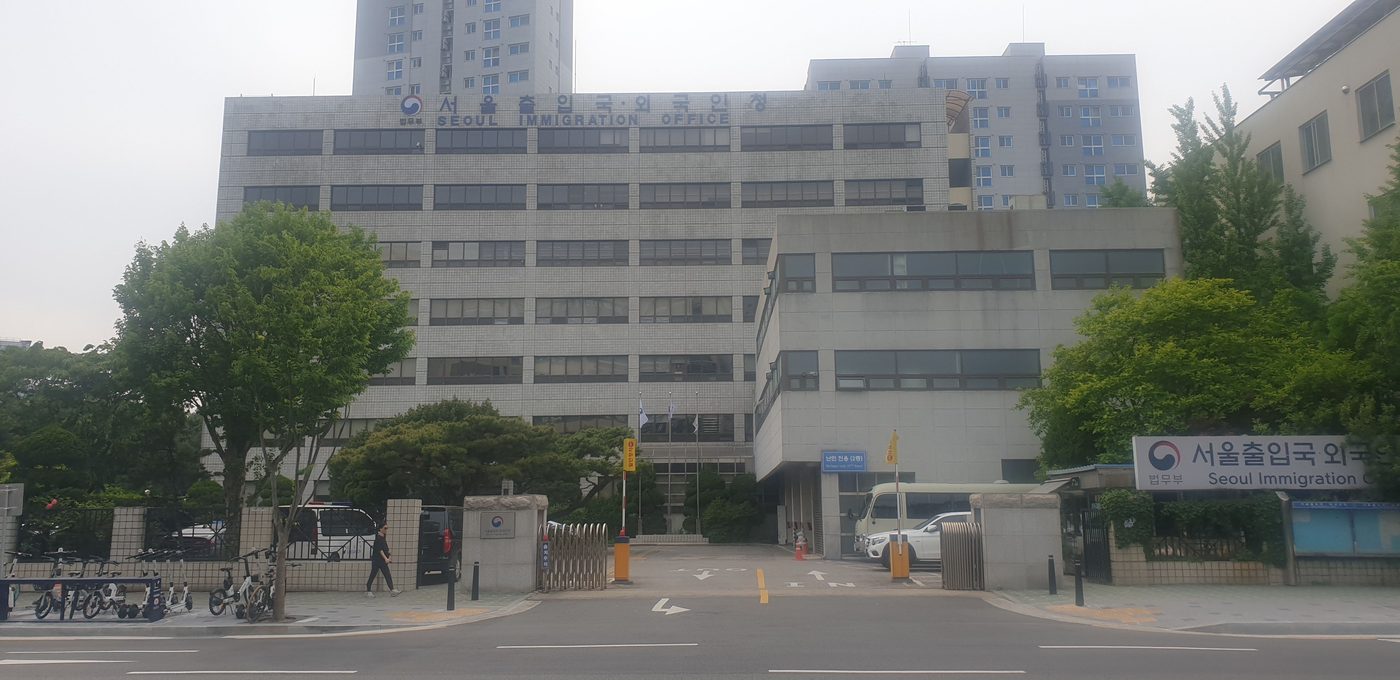
The Alien Registration Card (ARC), known in Korean as 외국인등록증 (oe-guk-in deung-rok-jeung), is the official identification card for foreign residents in South Korea. It contains your 13-digit foreigner registration number, which functions like a Korean citizen's resident registration number (주민등록번호). Almost every aspect of daily life in Korea requires this number.
Your ARC proves your legal status in Korea and contains your name, nationality, visa type, date of birth, and photo. It is a credit-card-sized plastic card that you should carry with you at all times. By law, foreigners in Korea must be able to present their ARC or passport when requested by authorities.
Without an ARC, you cannot open a bank account, get a Korean phone number, sign a lease, receive a salary, enroll in national health insurance, or access most government services. Getting your ARC should be your first priority after arriving in Korea for a long-term stay.
30,000
Application fee
2-3 wk
Processing time
90 days
Must apply within
Source: Korea Immigration Service (immigration.go.kr), 2026
Who needs an ARC
Any foreigner who plans to stay in South Korea for more than 90 days must apply for alien registration. This includes workers, students, spouses of Korean nationals, and anyone on a long-term visa.
Must register (ARC required): Anyone on a D-series visa (student, training, work), E-series visa (teaching, professional employment), F-series visa (residency, marriage, overseas Korean), H-1 (working holiday), or any other long-term visa with a stay period exceeding 90 days.
Do NOT need to register: Tourists and short-term visitors staying less than 90 days, diplomats (A-1, A-2 visas), and certain special status holders. If you entered on a visa waiver or tourist visa and plan to stay under 90 days, you do not need an ARC.
Deadline warning: You must apply for alien registration within 90 days of entering Korea. Late registration results in a fine of up to 1 million KRW. If your employer or school handles registration for you, confirm they have submitted the application on time. Do not assume it has been done.
Required documents
Gather all documents before visiting the immigration office. Missing documents will require a return visit, and appointment slots fill up quickly.
Standard document checklist (all visa types)
Additional documents by visa type
Where to apply
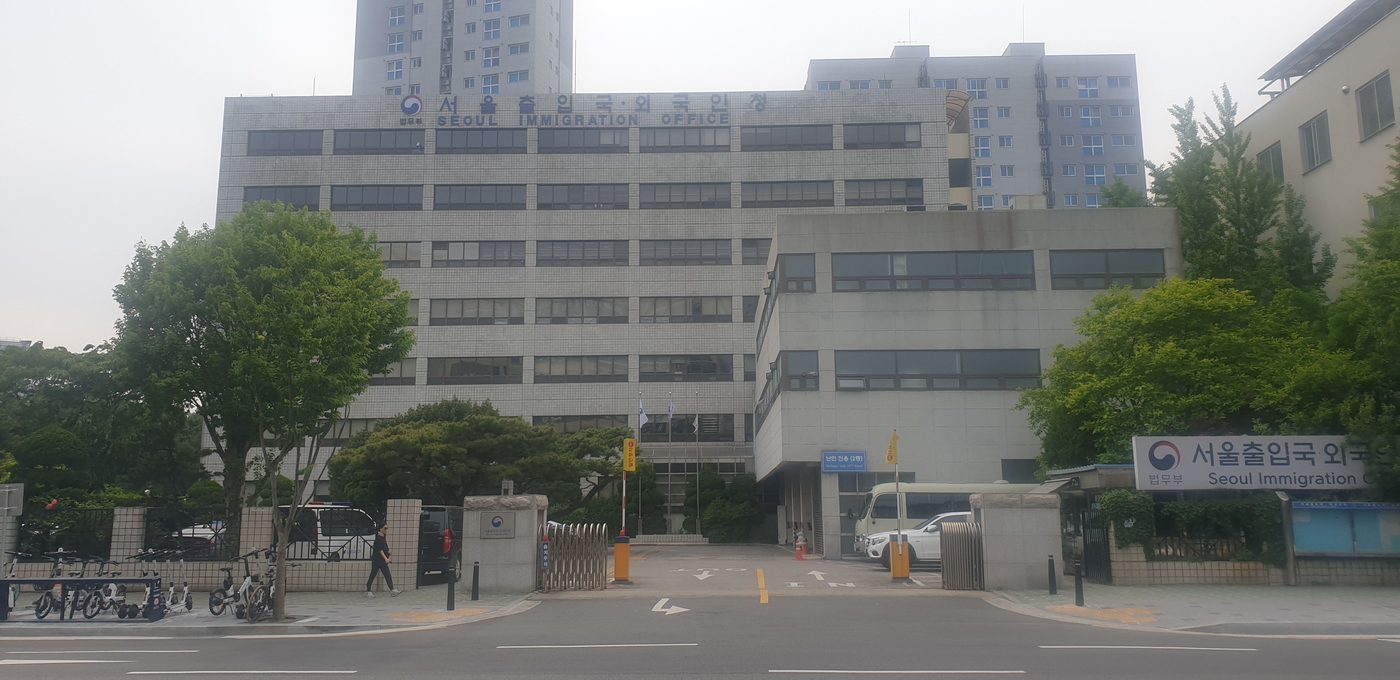
You must apply at the immigration office (출입국관리사무소) that serves the district where you live. You cannot apply at just any immigration office. Korea has immigration offices in every major city.
Major immigration offices
Book an appointment first: Most immigration offices require an appointment booked through the HiKorea website (hikorea.go.kr). Walk-ins may be turned away during busy periods. Appointments can be booked 1 to 2 weeks in advance. During peak months (March and September, when semesters start), slots fill up within minutes of opening. Book as early as possible.
Application process
The application process is straightforward if you have all your documents ready. Plan to spend 1 to 2 hours at the immigration office, depending on wait times.
Book your appointment on HiKorea
Visit hikorea.go.kr and register for an account. Navigate to the appointment booking section and select your local immigration office. Choose 'Alien Registration' as the service type. Select an available date and time slot.
Purchase a revenue stamp (수입인지)
Buy a 30,000 KRW revenue stamp from the post office, a convenience store, or at the immigration office. Some offices have a revenue stamp machine in the lobby. You can also purchase one through the online revenue stamp system (e-revenuestamp.or.kr).
Arrive and take a number
Arrive at the immigration office 15 to 30 minutes early. Check in at the reception desk or kiosk. You will receive a queue number for the alien registration counter.
Submit your documents
When called, present your passport, completed application form, photo, revenue stamp, proof of address, and any visa-specific documents. The officer will review everything and may ask basic questions about your stay.
Provide fingerprints and photo
You will have your fingerprints scanned digitally and a photo taken at the counter. This biometric data is stored in the immigration system and linked to your ARC.
Receive your pickup date
The officer will give you a receipt with an estimated pickup date (typically 2 to 3 weeks). You can pick up your ARC in person or request it to be mailed to your registered address (additional 3,000 KRW for postage).
Processing time and fees
Standard processing takes 2 to 3 weeks. During busy periods, it may take up to 4 weeks. While waiting for your ARC, the receipt you received at the immigration office serves as temporary proof of registration.
Fees summary
Temporary proof while waiting: The receipt from your application can be used as temporary identification at some banks and service providers. However, not all institutions accept it. Some banks will let you open an account with the receipt, while others require the physical ARC. Ask your employer or school if they can provide a letter confirming your registration status while you wait.
What to do if your ARC is lost or damaged
If your ARC is lost, stolen, or damaged, you must apply for reissuance within 14 days. Failing to report a lost ARC and apply for a replacement within the deadline can result in a fine.
Report the loss
If your ARC was stolen, file a police report at your local police station first. You will need the police report number for your reissuance application. If it was simply lost or damaged, you can proceed directly to the immigration office.
Book an appointment at the immigration office
Visit hikorea.go.kr and book an appointment for ARC reissuance at your local immigration office. Select 'Reissuance of Alien Registration Card' as the service type.
Bring required documents
You need your passport, a new passport photo (3.5cm x 4.5cm), a 30,000 KRW revenue stamp, the completed reissuance application form, and the police report (if stolen). If your card is damaged, bring the damaged card as well.
Receive your new ARC
Processing time for reissuance is the same as initial registration (2 to 3 weeks). Your foreigner registration number remains the same. Only the physical card is replaced.
Digital ARC
South Korea has been rolling out a digital version of the Alien Registration Card as part of its broader digital government initiative. The digital ARC allows you to verify your identity using your smartphone instead of carrying the physical card.
The digital ARC is available through government-approved mobile identity apps. Once activated, you can use it for identity verification at participating banks, telecom providers, and government services. However, the physical card is still required for some transactions, and you should keep it as a backup.
Digital ARC features
- ✓Smartphone-based identity verification
- ✓QR code for quick scanning at service counters
- ✓Integrated with Korea's mobile government services
- ✓Reduces risk of losing your physical card
- ✓Available after completing physical ARC registration
Still carry your physical card: While the digital ARC is expanding, not all institutions accept it yet. Banks, hospitals, and some government offices may still require the physical card. Keep your physical ARC in a safe place and carry it when handling important transactions.

Frequently asked questions
How long does it take to get an ARC in Korea?
Can my employer apply for my ARC on my behalf?
What if I change my address after getting my ARC?
Do I need to return my ARC when I leave Korea permanently?
Can I open a bank account without an ARC?
What happens if I overstay my 90-day registration deadline?
Advertisement
Google Ads placement (728x90)