Key facts at a glance
- ✓Many top museums (National Museum of Korea, National Folk Museum) are completely free
- ✓Wearing hanbok gets you free entry to all major palaces
- ✓The Discover Seoul Pass (starting at 39,900 KRW) covers 30+ attractions
- ✓Cherry blossom season (early April) and fall foliage (October-November) are peak tourist times
- ✓DMZ tours must be booked in advance through authorized operators ($50-80)
Overview
South Korea packs an extraordinary amount into a small footprint. Seoul alone combines 600 years of royal history with cutting-edge modern culture, all connected by one of the world's best subway systems. You can visit a UNESCO-listed palace in the morning, eat world-class street food at a traditional market for lunch, hike a national park in the afternoon, and explore neon-lit nightlife districts after dark.
This guide covers the essential attractions for first-time visitors and returning travelers alike, organized by category so you can plan around your interests. Most attractions listed here are accessible by public transit, and we have included practical tips on pricing, timing, and how to avoid crowds. New to Korea? Start with our travel essentials guide first.
Seoul landmarks
Gyeongbokgung Palace
The largest and most iconic of Seoul's five grand palaces, built in 1395. The changing of the guard ceremony happens daily at 10:00 and 14:00 (except Tuesdays, when the palace is closed). Rent a hanbok from one of the many shops nearby and you get free admission. Regular entry is 3,000 KRW for adults.
Bukchon Hanok Village
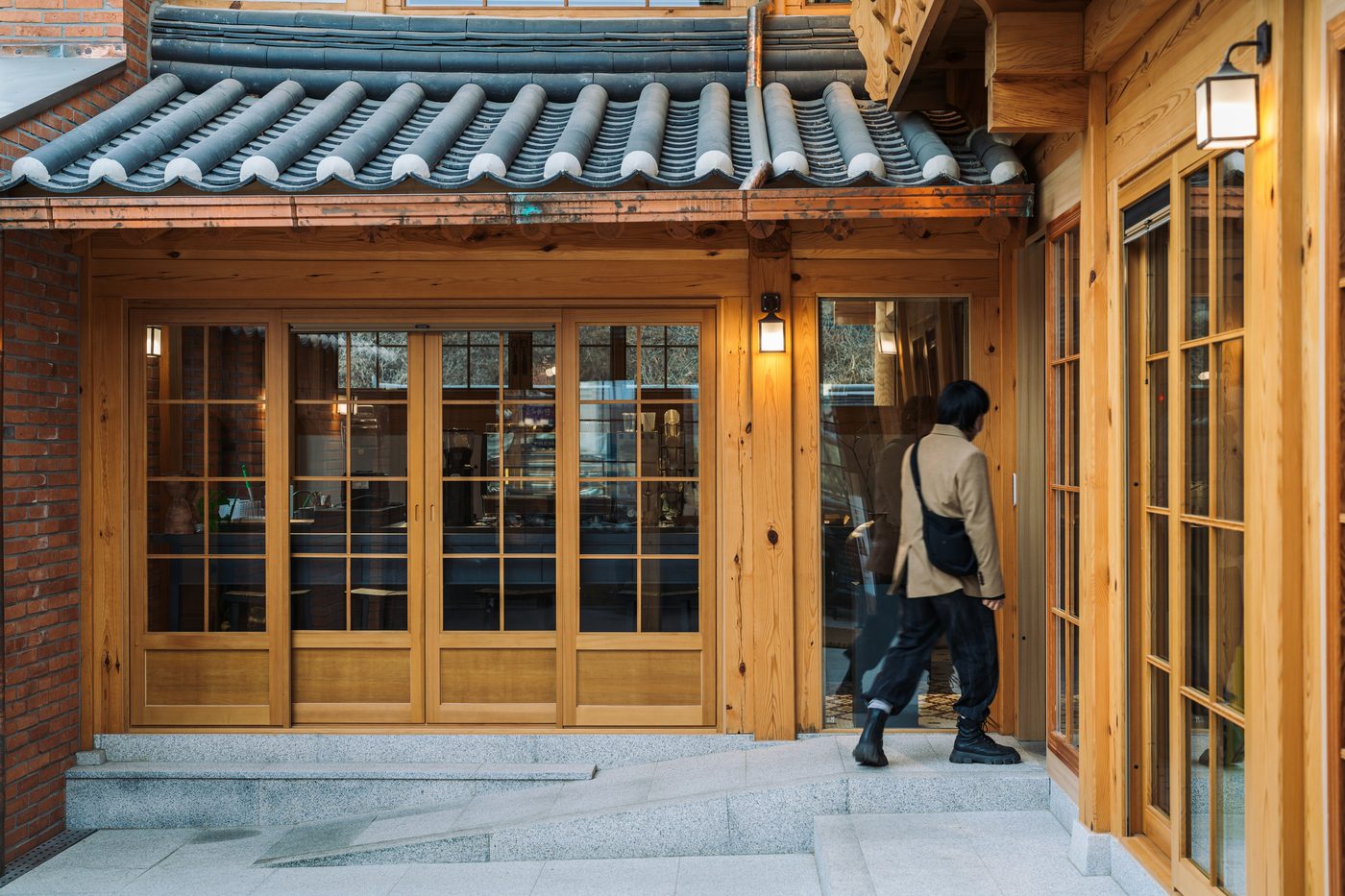
A residential neighborhood of hundreds of traditional Korean houses (hanok) nestled between Gyeongbokgung and Changdeokgung palaces. The narrow alleyways offer some of Seoul's most photographed views. It is a living neighborhood, so please keep noise to a minimum and respect residents' privacy.
N Seoul Tower (Namsan Tower)
Standing 236 meters tall on Namsan Mountain, the tower offers 360-degree panoramic views of Seoul. You can take the Namsan Cable Car (round trip 11,000 KRW) or hike up via several scenic trails (20-40 minutes). The observation deck costs 16,000 KRW for adults. The tower is especially popular at sunset and after dark.
Changdeokgung Secret Garden
A UNESCO World Heritage Site and the best-preserved of Seoul's palaces. The rear garden (Huwon, commonly called the Secret Garden) spans 78 acres of landscaped grounds, ancient trees, ponds, and pavilions. Secret Garden tours are limited in capacity and run at set times. Entry is 8,000 KRW including the garden tour.
Myeongdong
Seoul's premier shopping district, packed with Korean beauty brands, fashion stores, and street food stalls. Myeongdong is the best place to sample Korean cosmetics (free samples everywhere) and eat hotteok (sweet pancakes), egg bread, and tornado potatoes from the street vendors.
Insadong
Seoul's traditional culture and art district. The main street and branching alleys are filled with tea houses, antique shops, calligraphy stores, and galleries. Ssamziegil, a spiraling open-air shopping complex, is a highlight. Insadong is the best area to shop for traditional Korean souvenirs and crafts.
Hongdae
The vibrant area around Hongik University is the heart of Seoul's indie culture, street art, and nightlife. The Hongdae Playground hosts free street performances every weekend. The area is packed with cafes, vintage shops, live music venues, and clubs. It stays alive well past midnight on weekends.
Gangnam & COEX
The wealthy southern district made famous by the song. Gangnam itself is more of a business and upscale dining area than a traditional tourist zone. The main draw for visitors is COEX Mall, one of the largest underground shopping malls in the world, which houses the Starfield Library (a stunning open-plan library with floor-to-ceiling bookshelves), COEX Aquarium, and hundreds of shops and restaurants.
Itaewon
Historically Seoul's international district, Itaewon offers the most diverse food scene in the city, from halal restaurants and craft breweries to Mexican taquerias and Nigerian cuisine. The Yongsan area nearby is rapidly developing with new cultural spaces. The neighborhood has a more relaxed, cosmopolitan vibe compared to other Seoul districts.
Want to explore these areas in depth? Our neighborhood guides cover Hongdae, Itaewon, Gangnam, Seongsu, and more with dining, nightlife, and local tips.
Markets and street food
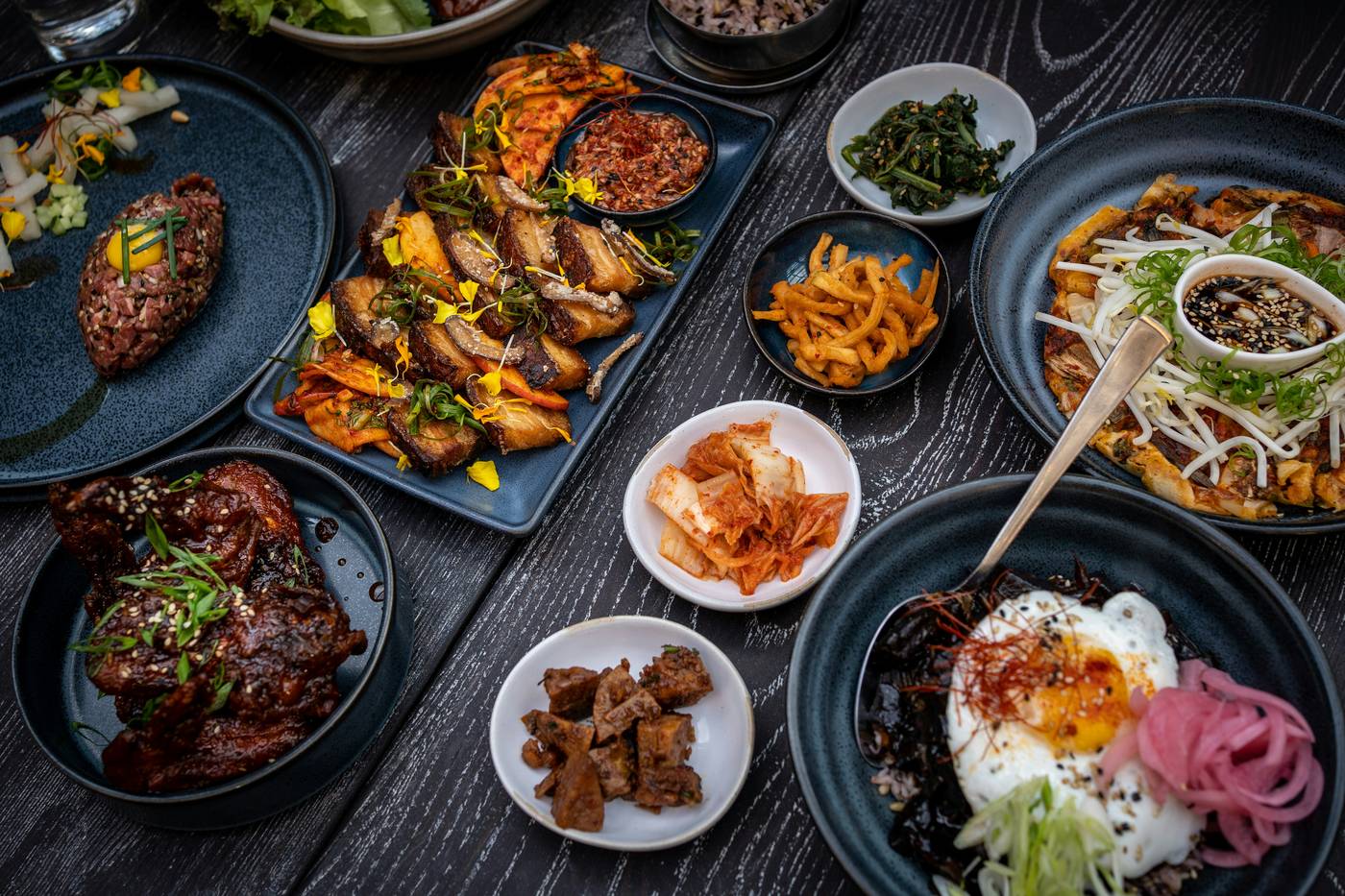
Korea's traditional markets are some of the best food destinations in Asia. They offer authentic local dishes at a fraction of restaurant prices, and the atmosphere alone is worth the visit. For a deep dive into Korean cuisine, see our complete Korean food guide.
| Market | Known For | Must-Try | Best Time |
|---|---|---|---|
| Gwangjang Market | Korea's oldest market (1905), famous food alley | Bindaetteok (mung bean pancake), mayak kimbap ("addictive" mini rice rolls), yukhoe (raw beef tartare) | 11:00-14:00 weekdays |
| Namdaemun Market | Korea's largest traditional market, 600+ years old | Kalguksu (knife-cut noodles), hotteok, accessories and clothing | Early morning for fresh goods |
| Dongdaemun Market | Fashion and fabric wholesale, open late | Wholesale clothing deals, late-night food stalls | Evening to midnight |
| Noryangjin Fish Market | Fresh seafood, pick-and-eat sashimi | Live sashimi, sea squirt, king crab (negotiate the price) | Early morning or lunch |
Gwangjang Market
Korea's oldest market (1905), famous food alley
Must-try: Bindaetteok, mayak kimbap, yukhoe (raw beef tartare)
11:00-14:00 weekdays
Namdaemun Market
Korea's largest traditional market, 600+ years old
Must-try: Kalguksu (knife-cut noodles), hotteok, accessories
Early morning for fresh goods
Dongdaemun Market
Fashion and fabric wholesale, open late
Must-try: Wholesale clothing deals, late-night food stalls
Evening to midnight
Noryangjin Fish Market
Fresh seafood, pick-and-eat sashimi
Must-try: Live sashimi, sea squirt, king crab
Early morning or lunch
Market etiquette: At Gwangjang Market, find a seat at any vendor stall and order from that vendor. Most stalls are cash-preferred, though card payment is increasingly accepted. At Noryangjin, you buy fresh seafood on the first floor and take it upstairs to a restaurant that will prepare it for a small fee (typically 5,000-10,000 KRW per person).
Nature in Seoul
Seoul is one of the greenest major cities in the world. National parks, riverside paths, and urban green spaces are woven throughout the city. You are never more than a subway ride away from a serious hike.
Bukhansan National Park
A massive granite mountain park right inside Seoul's city limits, with peaks reaching 836 meters. Bukhansan sees over 10 million visitors per year, making it one of the most visited national parks in the world. Multiple trails range from easy walks to challenging rock scrambles. The Baegundae Peak trail (about 3-4 hours round trip) is the most popular.
Free entry. Nearest stations: Gupabal (Line 3) or Bukhansan Ui (Ui-Sinseol Line). Bring proper hiking shoes and water. Trails close during heavy rain.
Namsan Park
The forested mountain in central Seoul surrounding N Seoul Tower. Multiple walking paths loop through the park, and the cable car offers a quick ride up. The park is particularly beautiful during cherry blossom season and fall. A complete loop around the mountain on the Namsan Circular Road takes about 2-3 hours on foot.
Free entry to the park (tower and cable car are separate). Accessible from multiple subway stations including Myeongdong (Line 4) and Chungmuro (Lines 3/4).
Cheonggyecheon Stream
A 10.9 km restored urban stream running through the heart of downtown Seoul. What was once an elevated highway is now a peaceful walking path lined with art installations, small waterfalls, and stepping stones. It connects Cheonggye Plaza near City Hall to the east end of the city. A full walk takes about 2 hours at a relaxed pace.
Free and open 24 hours. Start at Cheonggye Plaza (near Gwanghwamun station, Line 5). Especially beautiful when lit up at night.
Han River Parks (Hangang Parks)
Eleven riverside parks stretch along both banks of the Han River, connected by cycling and walking paths. Locals use the parks for picnics, cycling, inline skating, and evening hangouts. You can rent bikes from automated stations along the path. Ordering fried chicken delivery to the riverside (called 'chimaek') is a quintessential Seoul experience.
Free entry. Yeouido Hangang Park and Ttukseom Hangang Park are the most popular. Bike rental runs about 3,000 KRW per hour from Seoul Bike (Ttareungi) stations.
Getting around Seoul is easy. The subway connects all attractions listed here. See our transport guide for T-money cards, apps, and tips.
Museums and cultural spaces
National Museum of Korea
FreeOne of the largest museums in Asia, with over 300,000 artifacts spanning Korean history from the Paleolithic era to the Joseon Dynasty. The permanent collection is free and could easily take half a day. The museum is located in Yongsan and has beautiful grounds worth walking through.
The Silla gold crowns and celadon pottery collections are world-class.
National Folk Museum of Korea
FreeLocated inside Gyeongbokgung Palace grounds, this museum covers the daily life and culture of Korean people across different historical periods. The outdoor exhibition of traditional Korean village life is a highlight. You can combine this with your palace visit.
Great for understanding how ordinary Koreans lived across the centuries.
War Memorial of Korea
FreeA massive museum and memorial covering the entire history of Korean warfare, with a major focus on the Korean War (1950-1953). The outdoor exhibition features tanks, planes, and naval vessels. The indoor galleries include detailed exhibits on the Korean War, Vietnam War participation, and peacekeeping operations. Deeply moving and educational.
The Korean War room and the Brothers' Statue in the courtyard are particularly powerful.
Leeum Samsung Museum of Art
18,000 KRWA world-class private museum combining traditional Korean art with international contemporary works. Designed by three renowned architects (Mario Botta, Jean Nouvel, and Rem Koolhaas), the building itself is an attraction. The collection includes National Treasures and works by Warhol, Rothko, and other international artists.
The architecture alone makes it worth the visit. Located in Itaewon/Hannam-dong.
Day trips from Seoul
Korea's excellent rail and bus networks make it easy to explore beyond Seoul. These destinations are all reachable within 1-2 hours and can be comfortably visited in a single day.
DMZ & JSA Tour
50 km north of Seoul$50-80 per personThe Demilitarized Zone separating North and South Korea is one of the most unique places on Earth. Tours visit the Joint Security Area (JSA) at Panmunjom, where you can technically step into North Korea, the Third Tunnel of Aggression, and Dora Observatory overlooking North Korea. The JSA tour includes the blue UN buildings seen in news footage.
Practical info: Must be booked in advance through authorized tour operators (Koridoor, VIP Travel, USO). Bring your passport. No pointing, waving, or communicating toward the North Korean side. Dress code applies (no ripped jeans, sandals, or sleeveless tops). Tours depart from central Seoul hotels early morning.
Nami Island (Namiseom)
63 km east of Seoul (Gapyeong)16,000 KRW ferry + entryA crescent-shaped island famous for its tree-lined paths, especially the iconic Metasequoia Lane. Made internationally famous by the Korean drama 'Winter Sonata.' The island is beautiful year-round but peaks during fall foliage. You can also take the Zipline from the mainland for a more exciting arrival (44,000 KRW).
Practical info: Take the ITX-Cheongchun train from Yongsan or Cheongnyangni station to Gapyeong (about 1 hour). Combine with nearby Garden of Morning Calm or Petite France for a full day.
Suwon Hwaseong Fortress
30 km south of Seoul1,000 KRWA UNESCO World Heritage fortress built in 1796, with 5.7 km of walls encircling the old town. You can walk the entire wall circuit in about 2-3 hours. The fortress features gates, guard towers, and a command post. Traditional archery experiences are available at the Yeonmudae archery range (2,000 KRW for 10 arrows).
Practical info: Take Seoul Metro Line 1 to Suwon Station (about 1 hour). The Hwaseong Trolley near Paldalmun Gate is a good starting point. Suwon is also famous for galbi (grilled short ribs) at the nearby Yeongtong restaurant district.
Ganghwa Island
60 km west of SeoulFree (transport only)A historically significant island connected to the mainland by bridge. Home to ancient dolmen sites (UNESCO World Heritage), Jeondeungsa Temple (one of Korea's oldest), and the Ganghwa Peace Observatory with views toward North Korea. The island also has excellent fresh seafood restaurants along the coast.
Practical info: Take bus 3000 from Sinchon Station to Ganghwa Bus Terminal (about 1.5 hours). A car or taxi is helpful for getting around the island itself. The laver (seaweed) and turnip grown here are regional specialties.
Planning an overnight trip? Our accommodation guide covers hotels, hanok stays, and hostels in every budget range.
Seasonal highlights
Korea has four distinct seasons, and each transforms the landscape and the types of experiences available. Planning your visit around the seasons can dramatically enhance your trip.
Spring (March-May)
Peak: Early to mid April
Cherry blossoms (beotkkot) sweep the country from south to north. Top spots in Seoul include Yeouido Hangang Park, Seoul Forest, and the path around Seokchon Lake near Lotte World. The Jinhae Cherry Blossom Festival (near Busan) is Korea's largest. Book accommodation early.
Summer (June-August)
Peak: July-August
Hot and humid with monsoon rains in July. Head to Haeundae Beach in Busan or Gyeongpo Beach in Gangneung. The Boryeong Mud Festival (July) and various music festivals keep things lively. Waterparks like Caribbean Bay are popular. Monsoon season creates dramatic waterfalls at Jeju Island.
Autumn (September-November)
Peak: October to early November
Many consider this Korea's most beautiful season. Brilliant reds, oranges, and yellows cover the mountains. Best spots near Seoul include Bukhansan, Namsan, Nami Island, and the Secret Garden at Changdeokgung. Seoraksan National Park (2.5 hours from Seoul) has the most dramatic foliage in the country.
Winter (December-March)
Peak: December to February
Cold and dry, with excellent skiing and snowboarding at resorts like Yongpyong, High1, and Vivaldi Park (all 1-3 hours from Seoul). The Hwacheon Sancheoneo Ice Festival (January) lets you ice-fish for trout. Seoul's palaces covered in snow are strikingly beautiful and less crowded.
Ticket tips and passes
A few smart purchases can save you significant money and hassle during your trip.
Discover Seoul Pass
Covers free entry to 30+ attractions including N Seoul Tower, COEX Aquarium, Lotte World, and more. Also functions as a T-money transport card. Available at Incheon Airport tourist information centers, major subway stations, and online. Worth it if you plan to visit 3 or more paid attractions.
T-money Tourist Card
The standard rechargeable transit card used across all Korean public transportation. Works on subways, buses, taxis, and even some convenience stores and vending machines. Available at any convenience store (CU, GS25, 7-Eleven) or subway ticket machine. Load money as needed. You save 100 KRW per ride compared to single-use tickets. Unused balance is refundable (minus a 500 KRW fee) at convenience stores.
Free and discounted days
All five grand palaces are free on the last Wednesday of every month (Culture Day). Wearing hanbok grants free entry to all palaces any day. The National Museum of Korea, National Folk Museum, and War Memorial are always free. Many museums offer discounted or free entry for visitors under 18 or over 65.
Money-saving tip: If you are visiting Seoul for 3 or more days, the hanbok rental + Discover Seoul Pass combo is the best value. Hanbok rentals near Gyeongbokgung cost 15,000-20,000 KRW for 2-4 hours. That plus a 48-hour Discover Seoul Pass gives you free palace access and 30+ additional attractions.
Frequently asked questions
How many days do I need in Seoul?
What is the best time of year to visit?
Can I get around Seoul without speaking Korean?
Is Seoul expensive for tourists?
Do I need to book attractions in advance?
Is the Discover Seoul Pass worth it?
Advertisement
Google Ads placement (728x90)
Advertisement
Google Ads (300x250)
Popular on ArriveKorea
Advertisement
Google Ads (300x250)