Most 3-day Seoul itineraries try to cram in every palace, every market, and every “must-see” attraction until you are too exhausted to enjoy any of it. I have watched friends follow those guides and come home saying Seoul was “nice but tiring.”
This itinerary is different. It covers the highlights, yes, but it also leaves room to breathe. You will eat well, you will walk through neighborhoods that feel alive (not just photogenic), and you will actually remember the trip.
Day 1: Old Seoul and Your First Real Korean Meal
Morning: Gyeongbokgung and Bukchon
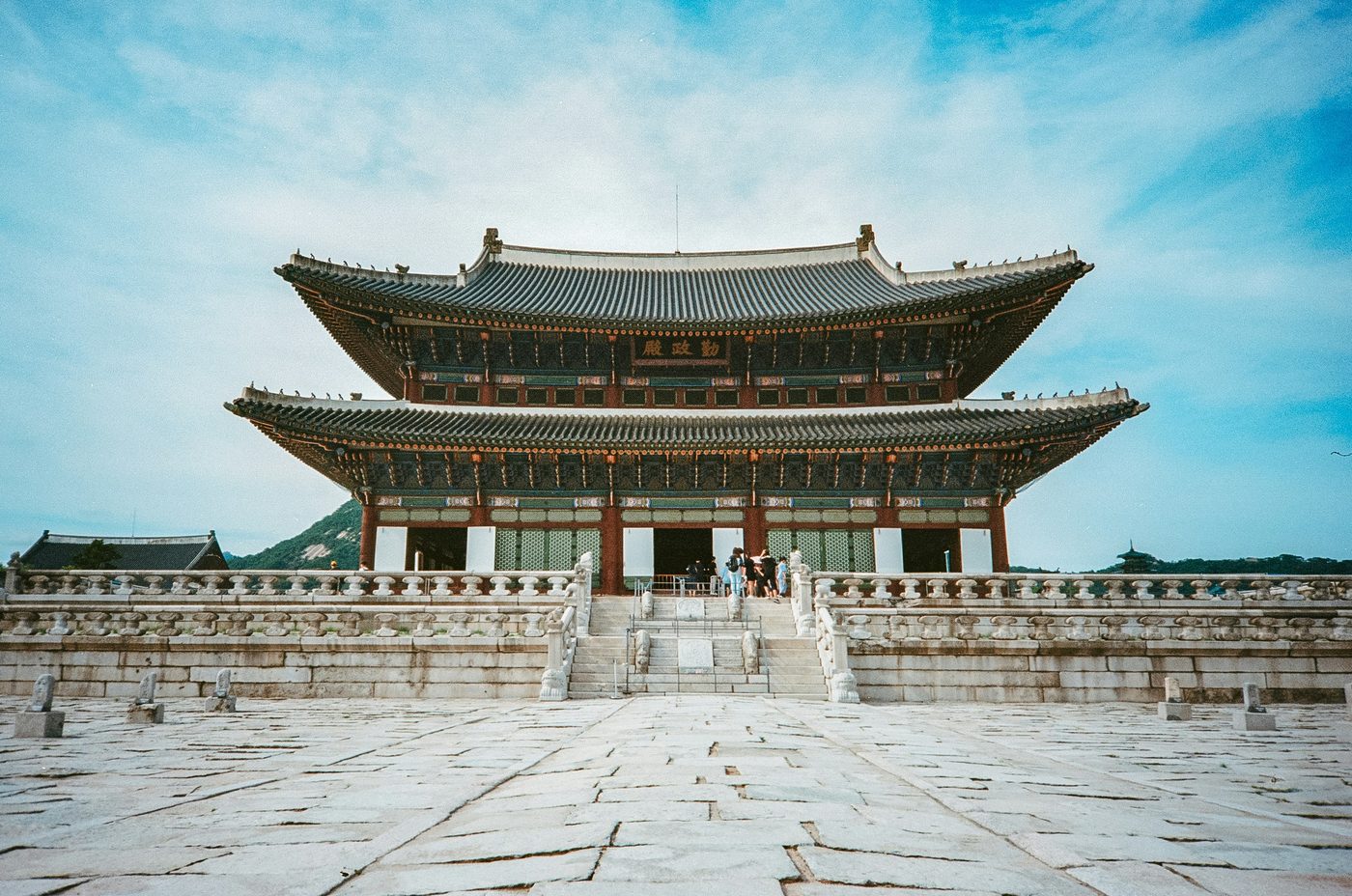
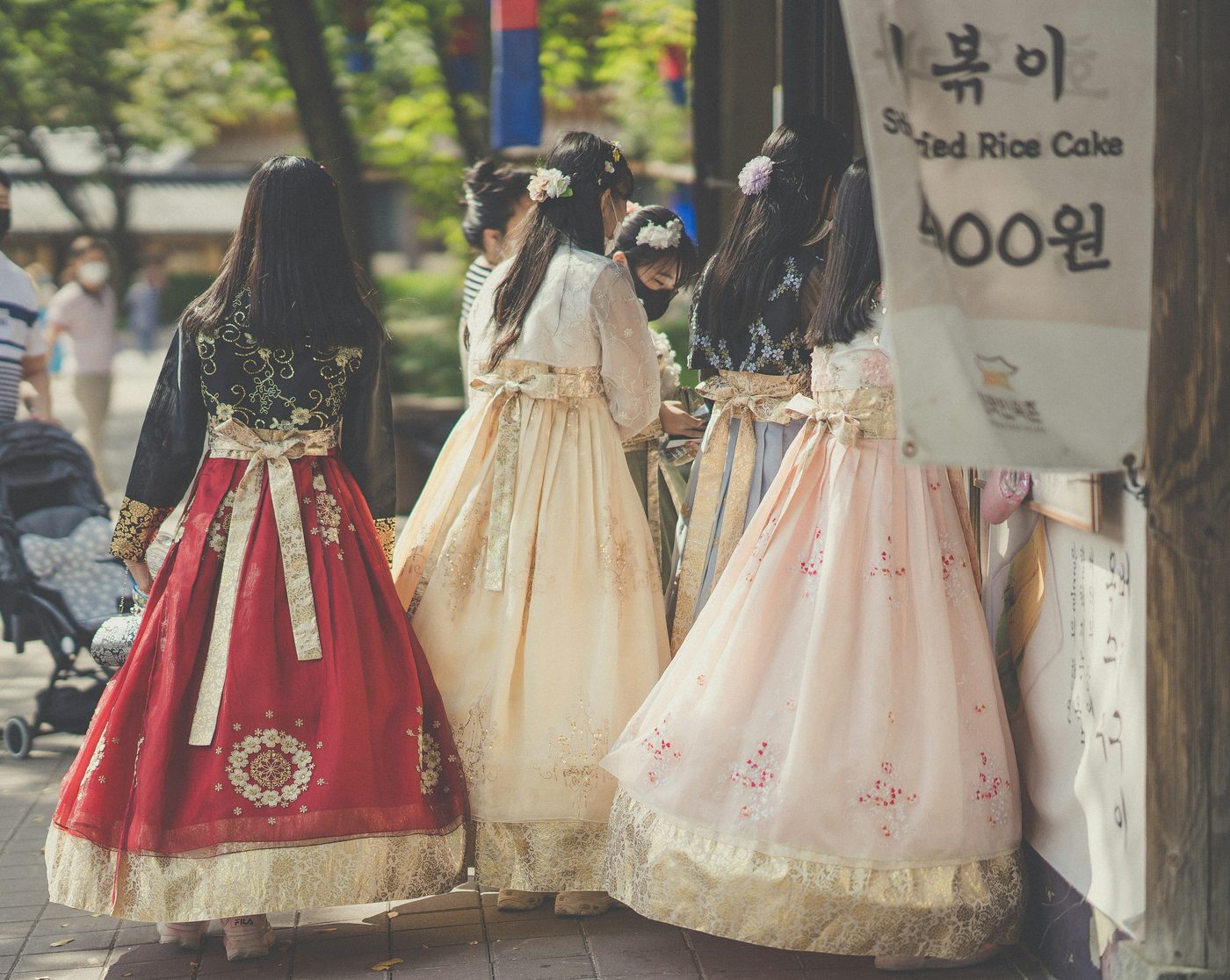
Start at Gyeongbokgung Palace. Get there by 9 AM when it opens. The grounds are enormous and surprisingly quiet early in the morning. Admission is 3,000 KRW, but if you rent a hanbok (traditional clothing) from one of the shops across the street (15,000-25,000 KRW for 2-4 hours), you get in free. It sounds touristy, but honestly, it is fun, and the photos look incredible.
After the palace, walk north to Bukchon Hanok Village. This is the traditional Korean house neighborhood you have seen in every photo of Seoul. The houses are real and people live in them, so keep the volume down. The best photo spot is the steep alley near Bukchon 8-gyeol, but get there before 10:30 AM or it becomes a human traffic jam.
Lunch: Gwangjang Market
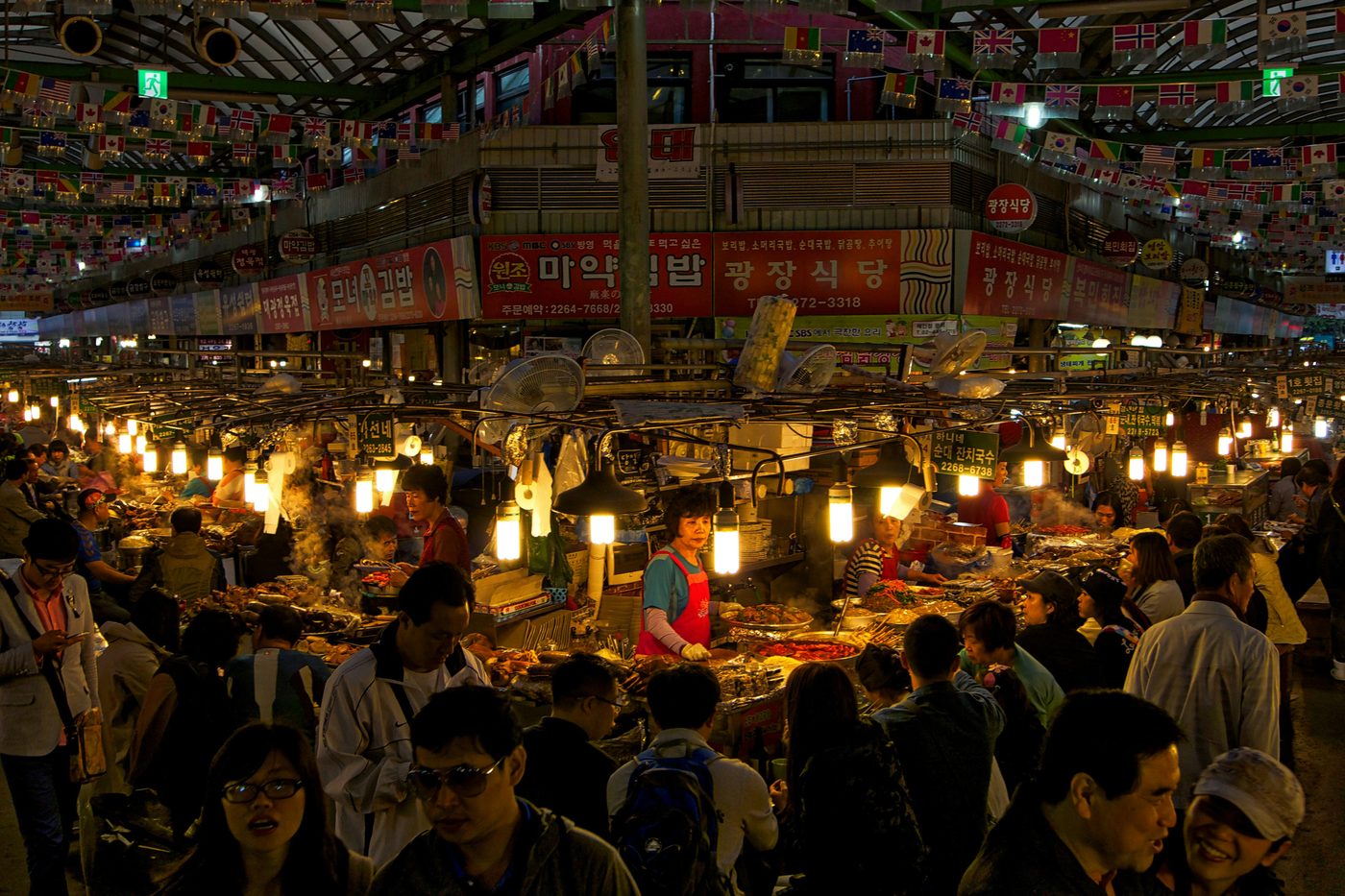
Walk or take the subway (two stops from Anguk) to Gwangjang Market. This is not a tourist market that happens to have food. It is a working market where Seoulites have been eating for generations. Go upstairs to the food stalls.
What to eat: Bindaetteok (mung bean pancake, 5,000 KRW). Crispy outside, soft inside, best eaten hot off the griddle. Mayak kimbap (addictive mini rice rolls, 3,000 KRW). And if you are feeling adventurous, yukhoe (raw beef tartare, 15,000 KRW). It is better than it sounds.
Use Woongie to find the highest-rated stalls. The market is big and not every vendor is equal.
Afternoon: Insadong and Tea
Insadong is a five-minute walk from the market. It is the traditional arts and crafts street, but skip the souvenir shops and head to one of the tea houses instead. Ssamziegil is a quirky spiral-shaped building with small artisan shops worth browsing.
Find a traditional tea house (try Shin Old Tea House or similar) and order a pot of jujube tea or citron tea. It costs about 8,000-12,000 KRW and they do not rush you. This is where you let the morning settle.
Evening: Namsan Tower at Sunset
Take the cable car up Namsan (round trip 12,000 KRW) or hike it (about 30 minutes, steep but manageable). Time your arrival for about an hour before sunset. The view of Seoul stretching in every direction is genuinely stunning, and watching the city light up as the sun drops is the kind of moment you remember.
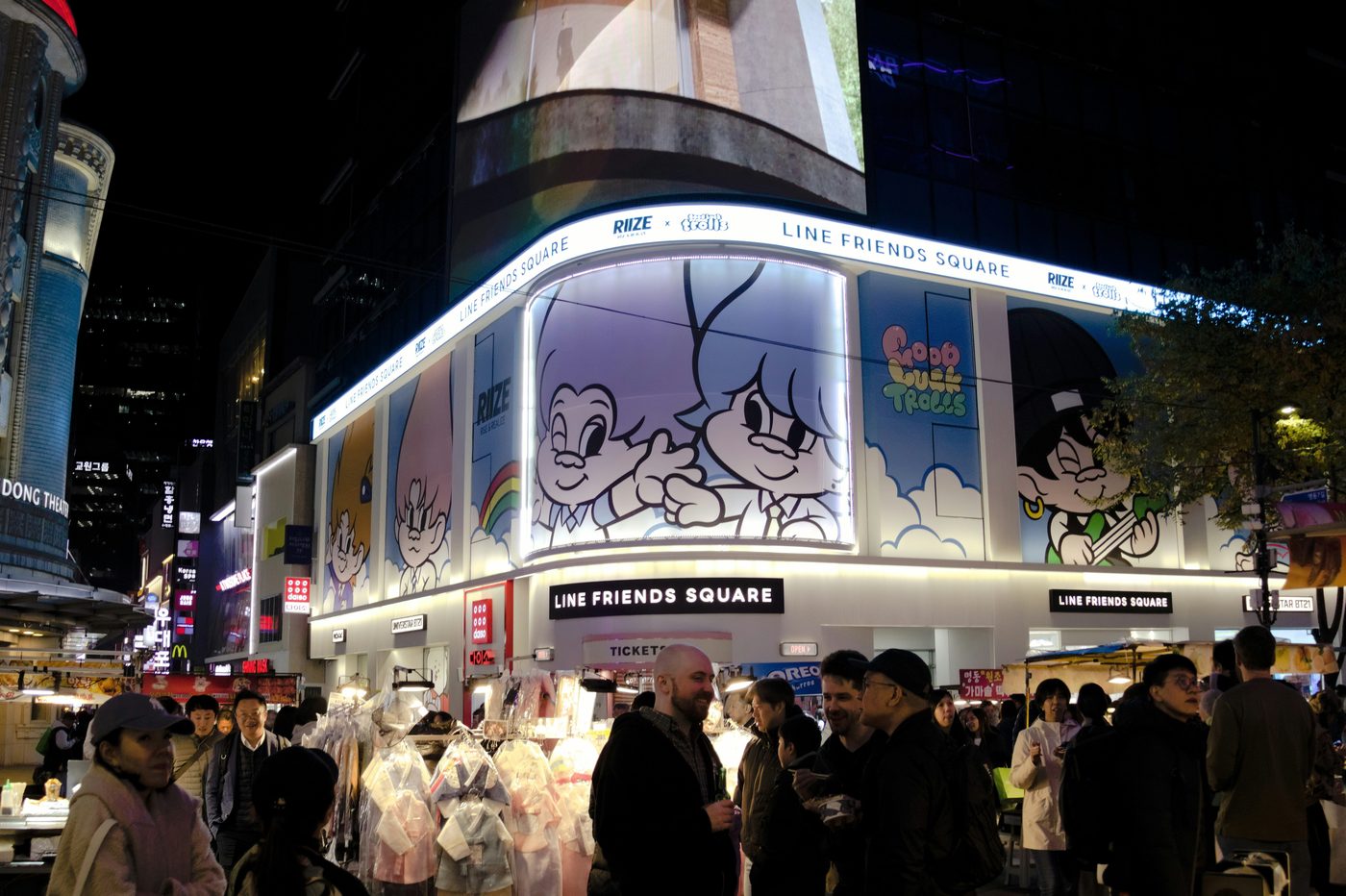
Dinner: Head to Myeongdong afterward (it is at the base of Namsan) for Korean BBQ. Any place with a line out the door is probably good. Budget 15,000-25,000 KRW per person.
Watch
Day 1 highlights
Day 2: Modern Seoul and Street Culture
Morning: Hongdae
Sleep in a bit. Hongdae does not wake up early. Start around 10:30 or 11 AM with a coffee at one of the neighborhood's countless independent cafes. Hongdae is Seoul's creative and university district, named after Hongik University (Korea's top art school).
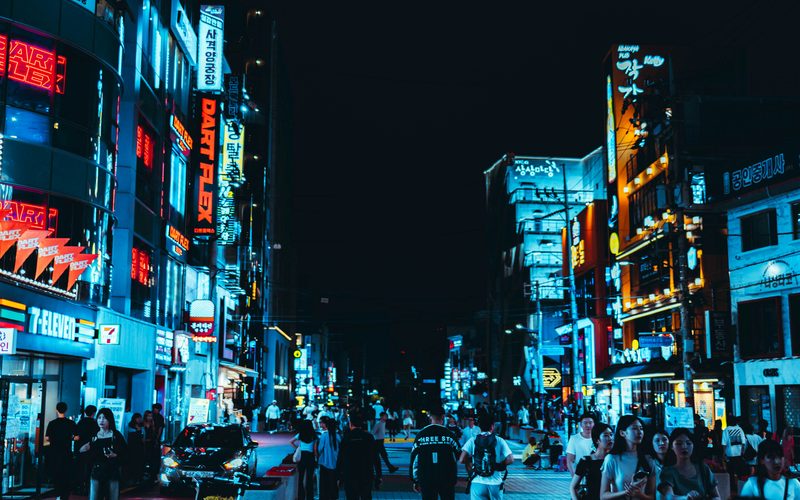
Walk the main strip and side streets. You will find street art, vintage clothing shops, record stores, and more cafes than you can process. The energy here is completely different from the palace district. It feels young and experimental.
Lunch: Yeonnam-dong
Walk west from Hongdae station to Yeonnam-dong. This neighborhood went from residential to one of Seoul's trendiest food spots in about three years. The streets are quieter, the restaurants are better, and the vibe is less chaotic than Hongdae proper.
Eat anything that catches your eye. Seriously. The restaurant density here is absurd and the quality is consistently good. Budget 10,000-18,000 KRW for lunch.
Afternoon: Seongsu-dong
Take the subway to Seongsu (Line 2, about 25 minutes from Hongdae). This is Seoul's version of Brooklyn. Old factories and warehouses converted into cafes, galleries, and concept stores. It is the neighborhood Seoulites are most excited about right now.
The Seongsu area around Ttukseom station has the highest concentration of interesting spaces. Do not plan too much here. Just walk and duck into whatever looks interesting.
Evening: Han River
End the day at the Han River parks. Buy chicken and beer (chimaek) from a convenience store or one of the delivery services, spread a mat on the grass, and sit by the water. This is what Seoulites actually do on nice evenings. It is free, it is relaxed, and it is one of the best ways to experience the city like a local.
Watch
Day 2 highlights
Day 3: Your Choice (Two Options)
Option A: Gangnam and COEX
If you want to see the modern, corporate side of Seoul, head south of the river. Gangnam is sleek and polished. Visit the Starfield Library inside COEX Mall (the giant bookshelves you have seen on Instagram), browse the underground shopping, and eat lunch at one of the restaurants in the Garosugil area (the tree-lined street with boutiques and cafes).
Afternoon: Walk to Bongeunsa Temple, a working Buddhist temple sitting right next to the COEX skyscrapers. The contrast between ancient and modern is striking and feels very Seoul.
Option B: Day Trip to the DMZ
If you want something completely different, book a DMZ/JSA tour. You need to book at least 3 days in advance through an authorized tour operator (50,000-80,000 KRW). Bring your passport. The tour takes about half a day and is one of the most surreal experiences in Asia. Standing at the border between North and South Korea is not something you forget.
Final Evening: Itaewon or Jongno
For your last dinner, Itaewon has the best international food scene in Seoul if you are craving something other than Korean. Jongno is the opposite: traditional Korean restaurants, pojangmacha (street food tents), and a grittier, more local energy. Both are worth your last evening.
Budget Breakdown
Here is what 3 days in Seoul actually costs, assuming mid-range choices:
- Accommodation: 70,000-150,000 KRW/night ($52-110)
- Food: 30,000-50,000 KRW/day ($22-37)
- Transport: 5,000-10,000 KRW/day (subway + occasional taxi)
- Activities: 30,000-80,000 KRW total (palace entry, cable car, hanbok rental)
- Total 3 days: roughly 400,000-700,000 KRW ($300-520) excluding flights and accommodation
Quick Tips
- The subway closes around midnight. Plan accordingly or budget for a Kakao T taxi.
- Most restaurants do not accept tips. Do not leave money on the table.
- Convenience stores (GS25, CU, 7-Eleven) sell surprisingly good meals for 3,000-5,000 KRW. Great for a quick breakfast.
- Download Papago for translation. It works offline and handles Korean better than Google Translate.
- Subway base fare is 1,550 KRW with T-money. Cash tickets cost slightly more.