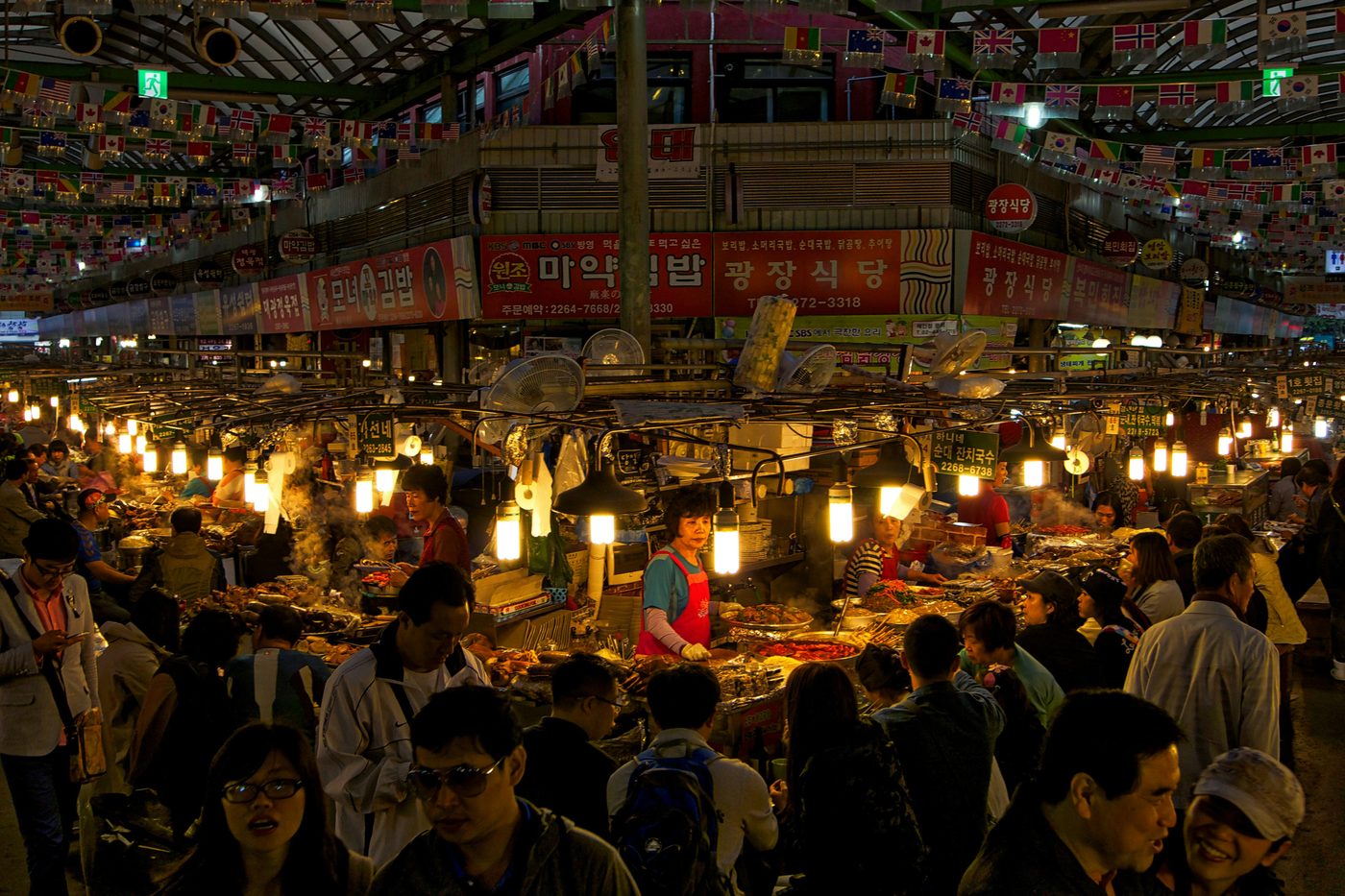
Five days is the sweet spot for a first trip to Korea. You get enough time in Seoul to go beyond the palace-and-market checklist, and you get Busan, which is a completely different city with a completely different energy. The two are connected by KTX, Korea's bullet train, which covers the 325 km in about 2 hours and 30 minutes.
I have helped a lot of friends plan this exact trip. The mistake most people make is trying to squeeze in too much, especially in Busan where the neighborhoods are spread out. This itinerary covers the essentials without the “we need to leave in 10 minutes” energy that ruins a trip.
Days 1-3: Seoul
I have a full 3-day Seoul itinerary that covers this in detail, so I will not repeat every stop here. The short version:
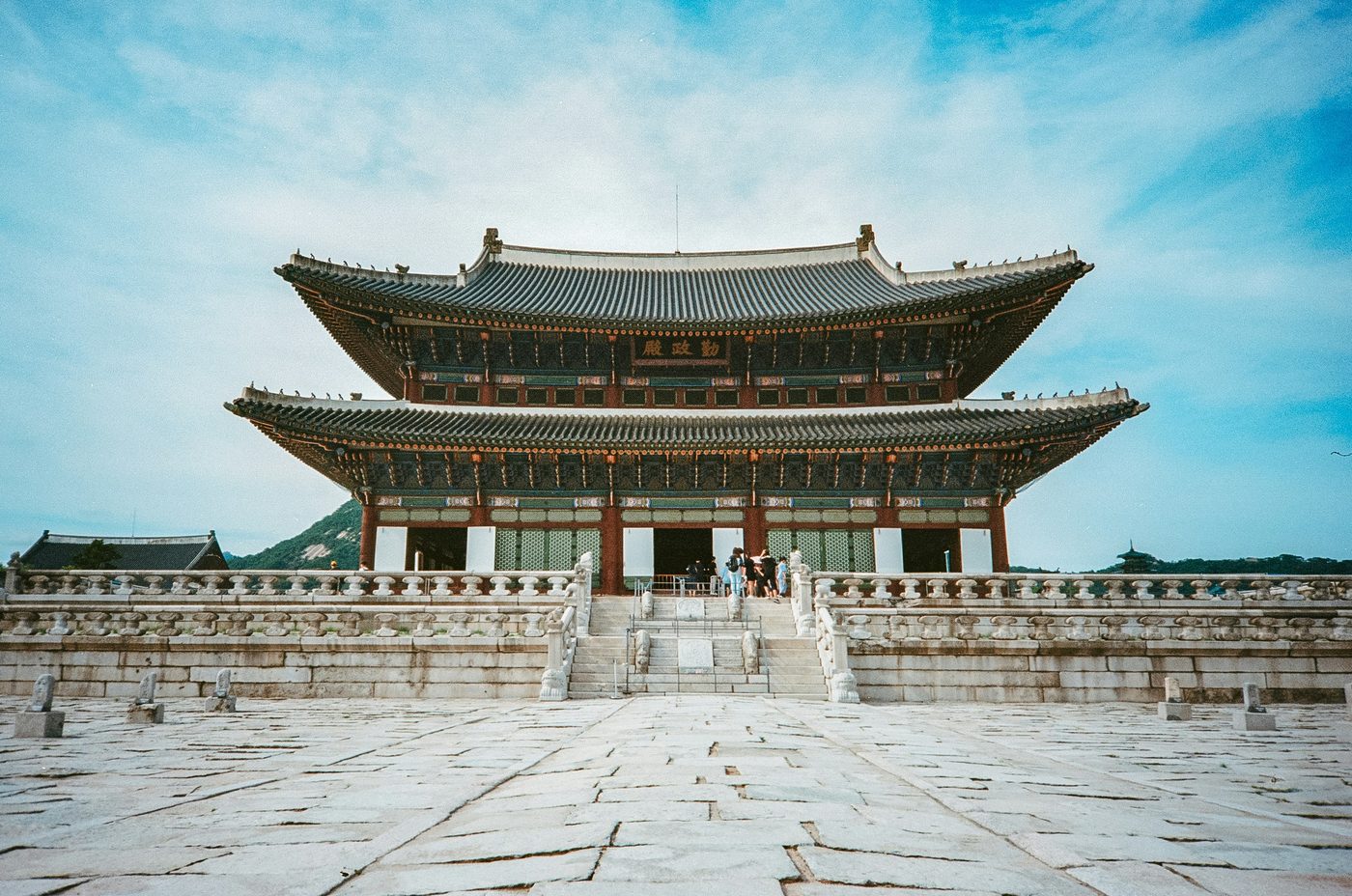
- Day 1: Gyeongbokgung Palace, Bukchon Hanok Village, Gwangjang Market for lunch, Insadong for tea, Namsan Tower at sunset.
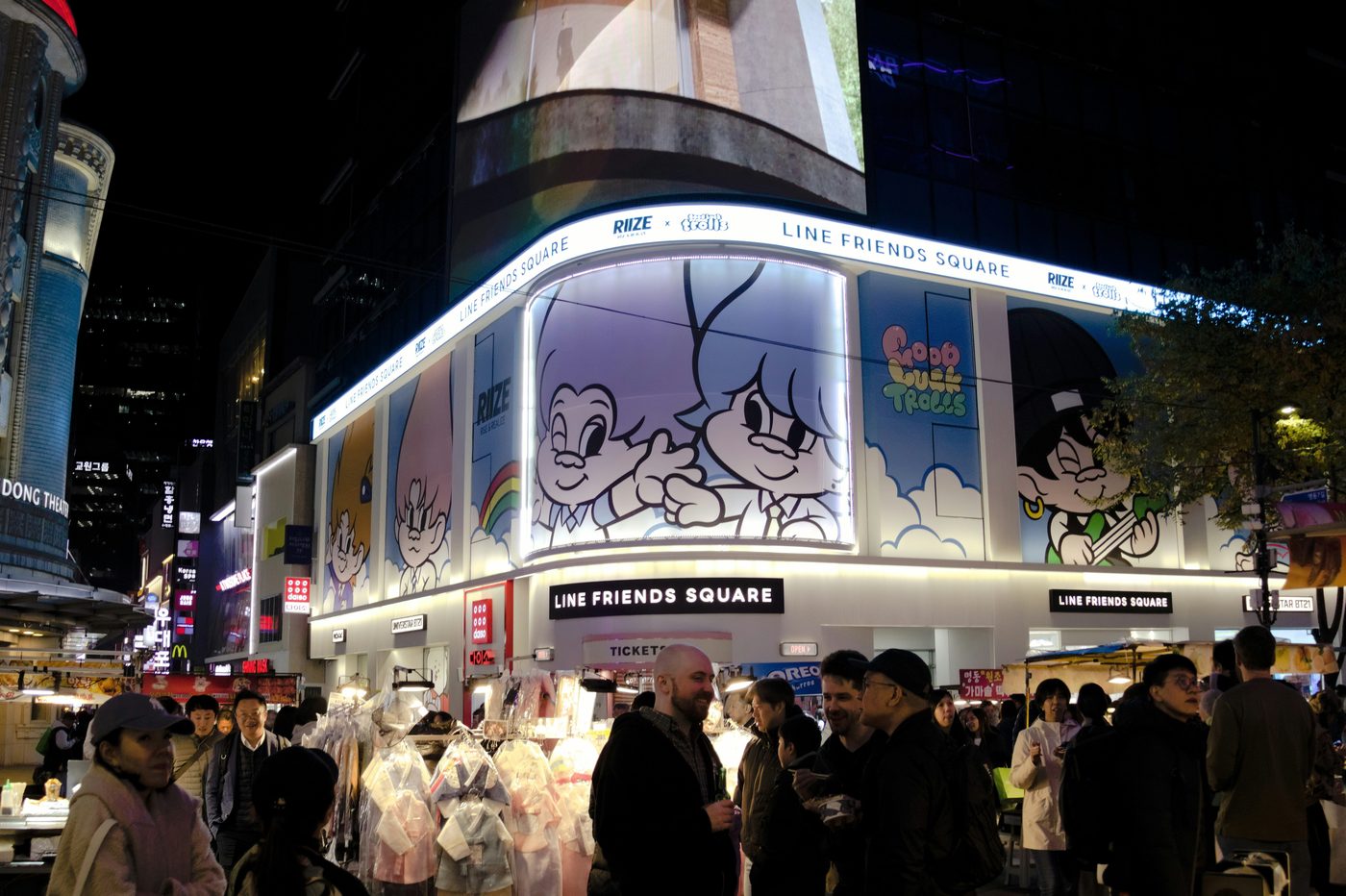
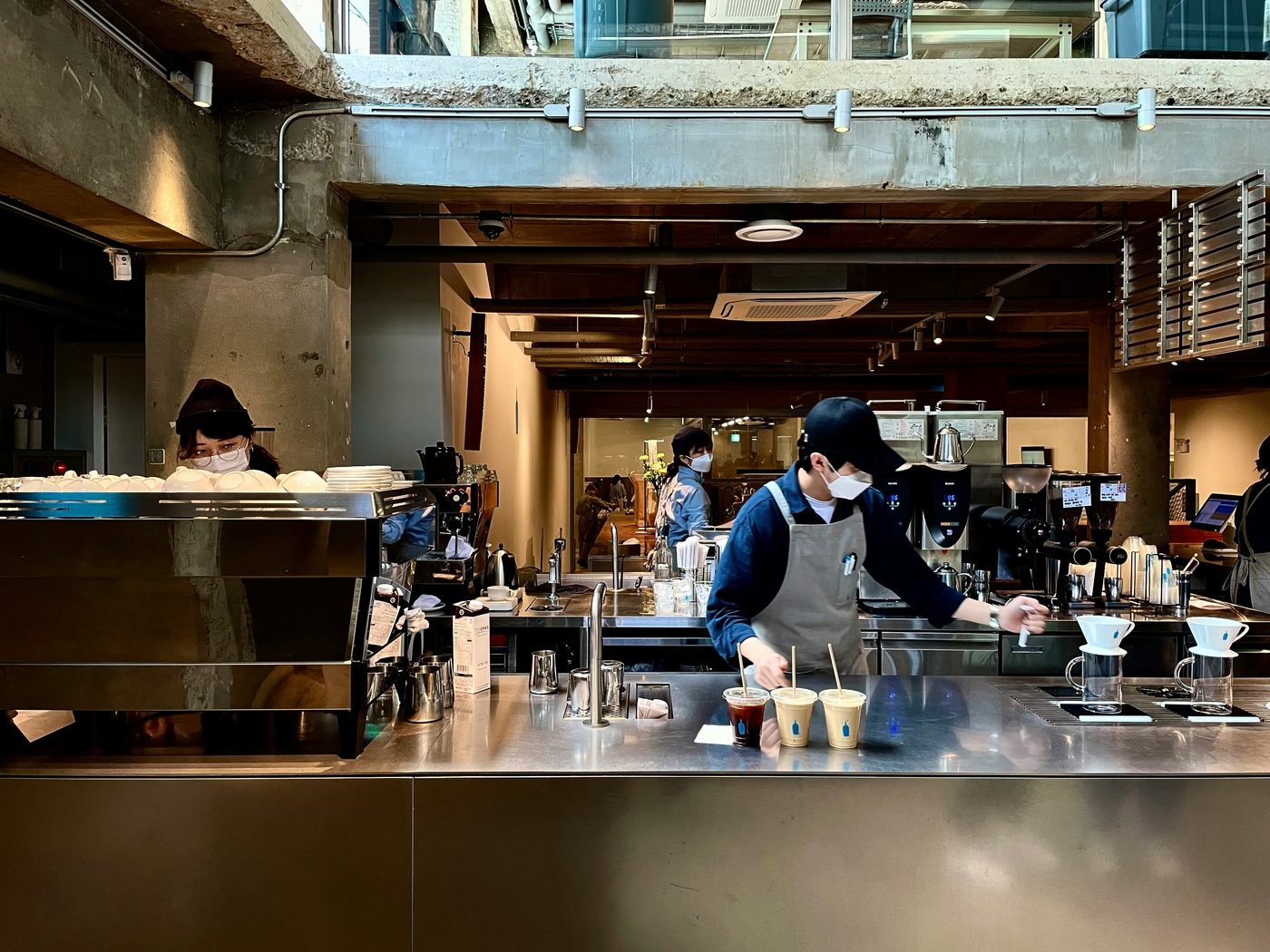
- Day 2: Hongdae for cafes and street culture, Yeonnam-dong for lunch, Seongsu-dong in the afternoon, Han River in the evening with fried chicken and beer.
- Day 3: Gangnam and COEX or a DMZ day trip. Final dinner in Itaewon or Jongno.
Use Woongie throughout for restaurant picks. The Seoul dining scene is overwhelming and not every place near a tourist spot is good. Woongie filters for places that are actually worth eating at.
One adjustment for the 5-day version: do not exhaust yourself in Seoul. You have Busan ahead. Skip the DMZ if it feels like too much on Day 3 and use that afternoon to explore a neighborhood at your own pace instead. Ikseon-dong (tiny alleys with converted hanok cafes and restaurants) is a good low-key option.
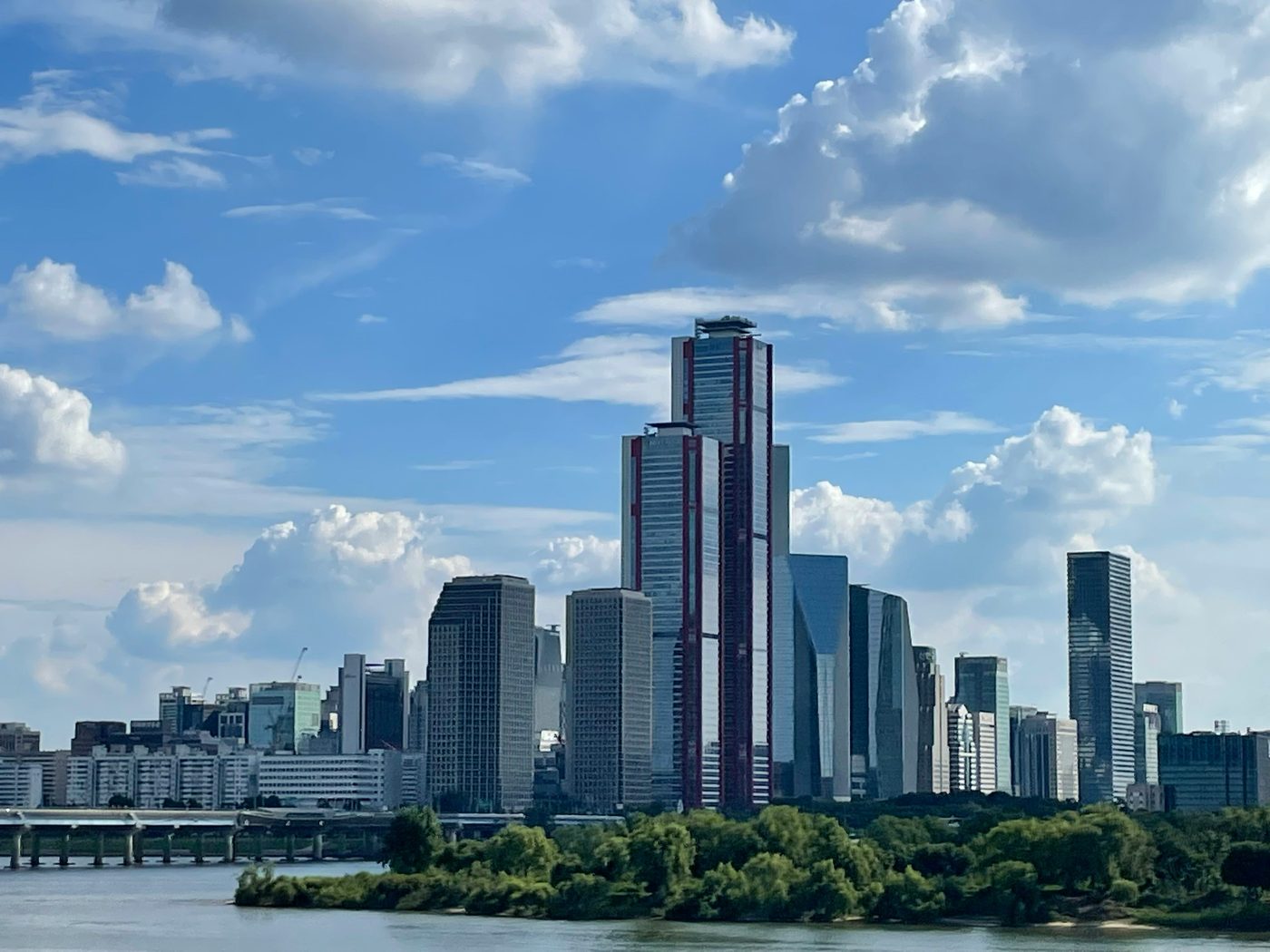
Day 4: KTX to Busan, Haeundae, Gamcheon
Morning: The Train
Take an early KTX from Seoul Station (the 7:00 or 8:00 AM departure is ideal). You will arrive in Busan by 10:00-10:30 AM. Drop your bag at your hotel (most places near Haeundae or Seomyeon will hold luggage before check-in) and start your day.
The train itself is comfortable, quiet, and smooth. There are power outlets at every seat and a snack car. Grab a coffee and enjoy watching the Korean countryside blur past at 300 km/h. The free wifi works well enough.
Late Morning: Haeundae Beach
Start at Haeundae Beach. Even if it is not swimming season, the wide sandy beach with the skyline behind it is impressive. Walk the coastal trail east toward Haedong Yonggungsa Temple (more on that in a minute) or just grab a coffee at one of the beachfront spots and take in the view.
The Haeundae Market (not the beach, the market a few blocks inland) is a good lunch stop. It is smaller than Gwangjang in Seoul but less overwhelming. Try ssiat hotteok (seed-filled sweet pancakes, 2,000 KRW) from the famous stall near the market entrance. There is usually a line. It is worth it.
Afternoon: Gamcheon Culture Village
Take the metro and a short bus to Gamcheon Culture Village. This is the hillside neighborhood with colorful houses stacked on top of each other, the one that shows up in every Busan photo. Yes, it is touristy. But the village is genuinely charming if you wander off the main stamp-rally path. The alleys in the upper section are quieter and have better views.
Skip the Little Prince statue line (you will understand when you see it). It is a 30-minute wait for a photo that looks exactly like everyone else's photo. Walk higher up the hill instead for empty viewpoints.
Budget about 2-3 hours here. Entrance is free.
Evening: Gwangalli Beach
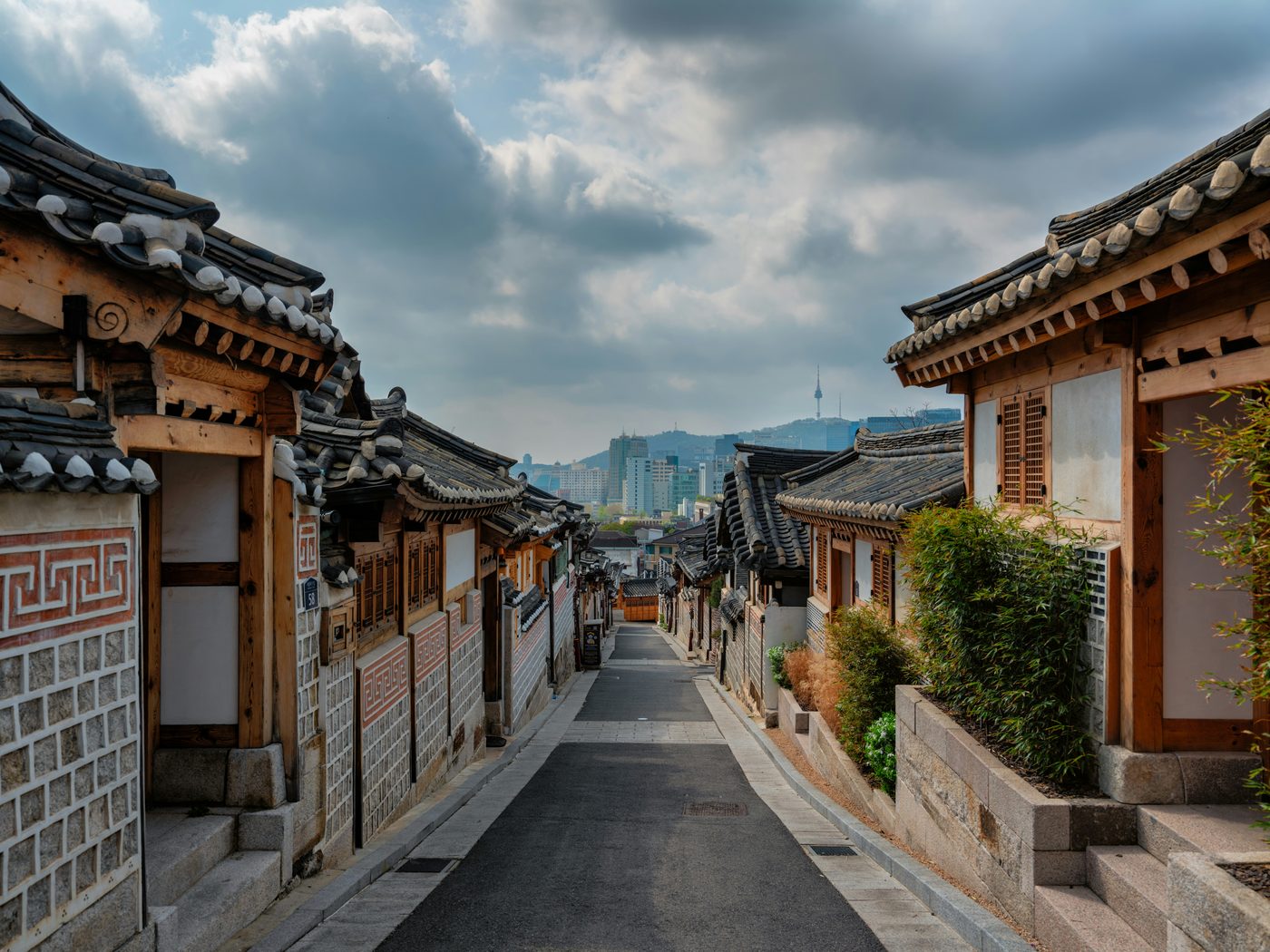
Dinner at Gwangalli. This is the other beach, the one with the Gwangan Bridge lit up at night. The beachfront strip is lined with restaurants, bars, and cafes. Eat seafood. Busan is a port city and the fish is noticeably fresher and cheaper than Seoul. A raw fish platter (hoe) for two at a beachfront restaurant runs about 30,000-50,000 KRW.
Check Woongie for recommendations. The quality varies a lot along the strip and some places coast on the view.
Day 5: Jagalchi, Temples, and Return
Morning: Jagalchi Fish Market
Get to Jagalchi Market early (by 8-9 AM). This is the largest seafood market in Korea and it is an experience even if you do not eat fish. The ground floor is a working wholesale market with tanks of every sea creature imaginable. The upper floors have restaurants where they will cook whatever you buy downstairs.
If raw fish for breakfast is not your thing, grab a bowl of dwaeji gukbap(pork soup with rice) from one of the restaurants near the market. It is Busan's signature comfort food and it costs about 8,000-10,000 KRW. There are shops that have been making it for 40+ years.
Late Morning: Haedong Yonggungsa Temple
If you did not visit yesterday, this clifftop temple overlooking the sea is worth the trip. It is about 30-40 minutes by bus from central Busan. Unlike most Korean temples that sit in mountains, this one is built right on the rocky coastline. The combination of traditional architecture and ocean waves crashing below is something you will not see anywhere else in the country.
Free entry. Get there before 11 AM to beat the tour bus crowds.
Afternoon: Return to Seoul
Take a mid-afternoon KTX back to Seoul (2:00-3:00 PM departure gives you plenty of time). If your flight leaves from Busan's Gimhae Airport instead, you can skip the return train and head straight to the airport by metro (Line 2, Gimhae Light Rail connection).
Budget Breakdown: 5 Days Total
Here is what the full trip costs, assuming mid-range choices:
- Accommodation: 70,000-150,000 KRW/night x 4 nights = 280,000-600,000 KRW
- Food: 30,000-50,000 KRW/day x 5 days = 150,000-250,000 KRW
- KTX Seoul to Busan (one way): 59,800 KRW
- Local transport: 5,000-10,000 KRW/day = 25,000-50,000 KRW
- Activities: 30,000-80,000 KRW total
- Total 5 days: roughly 550,000-1,050,000 KRW ($400-770) excluding international flights
What to Pack for Both Cities
- Comfortable walking shoes. Both cities involve a lot of walking, and Busan has hills. Fashion sneakers will not cut it at Gamcheon.
- Light layers. Busan is slightly warmer than Seoul but the coastal wind can be cold, especially at night along the beaches.
- A small daypack. You will want your hands free for street food, phones, and the occasional steep staircase in Busan.
- Portable charger. You will rely on your phone for Naver Map, Papago translation, and Kakao T taxis constantly.
Quick Tips
- Busan's metro system is smaller than Seoul's but covers the main tourist areas. Same T-money card works in both cities.
- Busan dialect (satoori) sounds very different from Seoul Korean. Locals are proud of it. Do not worry if you learned some Korean phrases and they sound different here.
- The KTX has overhead luggage racks and space behind the last row of seats for large bags. You do not need to ship your luggage separately.
- Busan is hillier than you expect. Gamcheon, Huinnyeoul Culture Village, and many neighborhoods involve serious stair climbing.
- If you have a 6th day, add Gyeongju as a day trip from Busan (1 hour by bus or train). Korea's ancient capital with royal tombs, temples, and surprisingly good food.