Jeju is the place Koreans go when they want to feel like they left the country without actually leaving. It is a volcanic island about an hour south of Seoul by plane, with black lava rock beaches, tangerine orchards, a massive mountain in the middle, and a food culture that is distinct from the mainland. Koreans treat it like their Hawaii, and there are more direct flights from Seoul to Jeju than almost any domestic route in the world.
For international visitors, Jeju has an extra perk: it is a visa-free zone. Citizens of many countries can enter Jeju for up to 30 days without a Korean visa, even if they would need one for the mainland. This makes it a potential standalone destination, though most visitors combine it with Seoul.
Do You Need a Car?
The honest answer: probably yes. Jeju's public transit exists but it is slow, infrequent, and does not reach many of the best spots. The island is about 73 km across, and the attractions are spread around the perimeter with very little clustering. Without a car, you will spend a lot of time waiting for buses and limiting yourself to the main towns.
Renting a car costs about 40,000-70,000 KRW per day for a compact. You need an International Driving Permit (get one before you leave home) and a credit card. The roads are well-maintained and traffic is light outside Jeju City. Parking is free at most tourist sites.
If you really do not want to drive: You can get by with a combination of the Jeju city bus system and taxis. Kakao T works on Jeju. Budget about 15,000-25,000 KRW per taxi ride between major spots. It adds up but it is doable for 2-3 days.
Jeju City vs. Seogwipo
The island has two main towns on opposite sides. Jeju City is on the north coast, bigger, with the airport, more hotels, and more nightlife. Seogwipo is on the south coast, smaller, quieter, and closer to most of the natural attractions.
My recommendation: stay one night in each if you have 3 days. If you only have 2 days, pick Seogwipo. The south coast has more to do and the scenery is better. Jeju City is convenient but not particularly charming.
What to Do
Hallasan (The Big Hike)
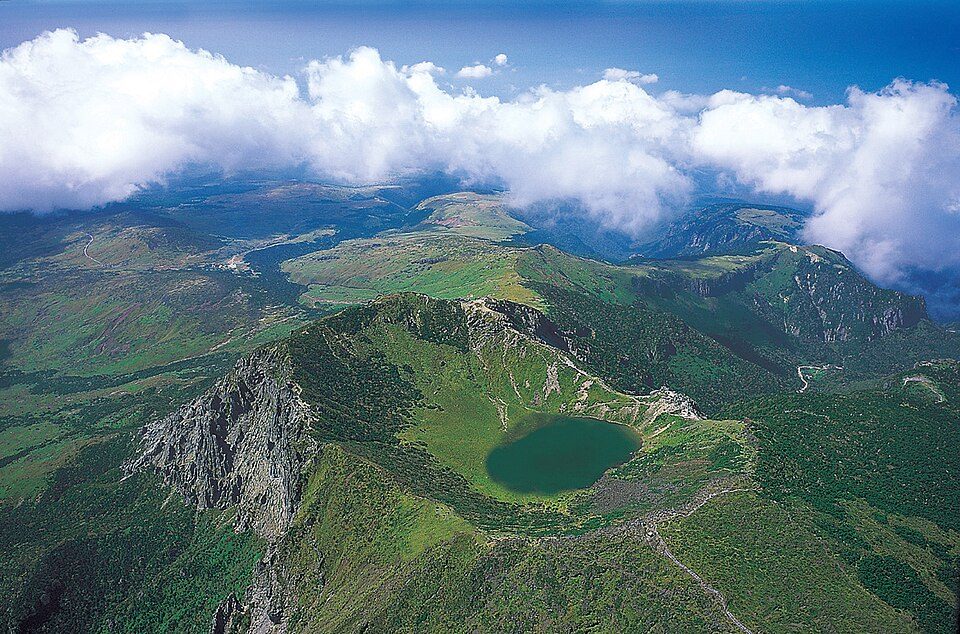
Hallasan is the tallest mountain in South Korea at 1,950 meters, and it sits right in the center of the island. You can see it from everywhere. The full summit hike takes about 8-10 hours round trip (Seongpanak or Gwaneumsa trail) and requires you to start early. The park service cuts off uphill hikers by a set time (usually around noon) to make sure everyone gets down before dark.
It is a proper hike, not a walk. The trail is well-maintained but steep in sections, and the weather at the summit can be completely different from the base. Bring layers, water, and a packed lunch. There are no food vendors on the trail.
If you do not want the full summit: The Eorimok trail is a shorter, easier option (about 3-4 hours round trip) that takes you through the forest to Witseoreum shelter at 1,700 meters. Still a good hike with great views.
Seongsan Ilchulbong (Sunrise Peak)
This volcanic crater on the eastern tip of the island is Jeju's most iconic landmark. The hike to the rim takes about 25 minutes and the views from the top, especially at sunrise, are worth the early alarm. The crater itself is a huge grassy bowl that fills with light as the sun comes up over the ocean.
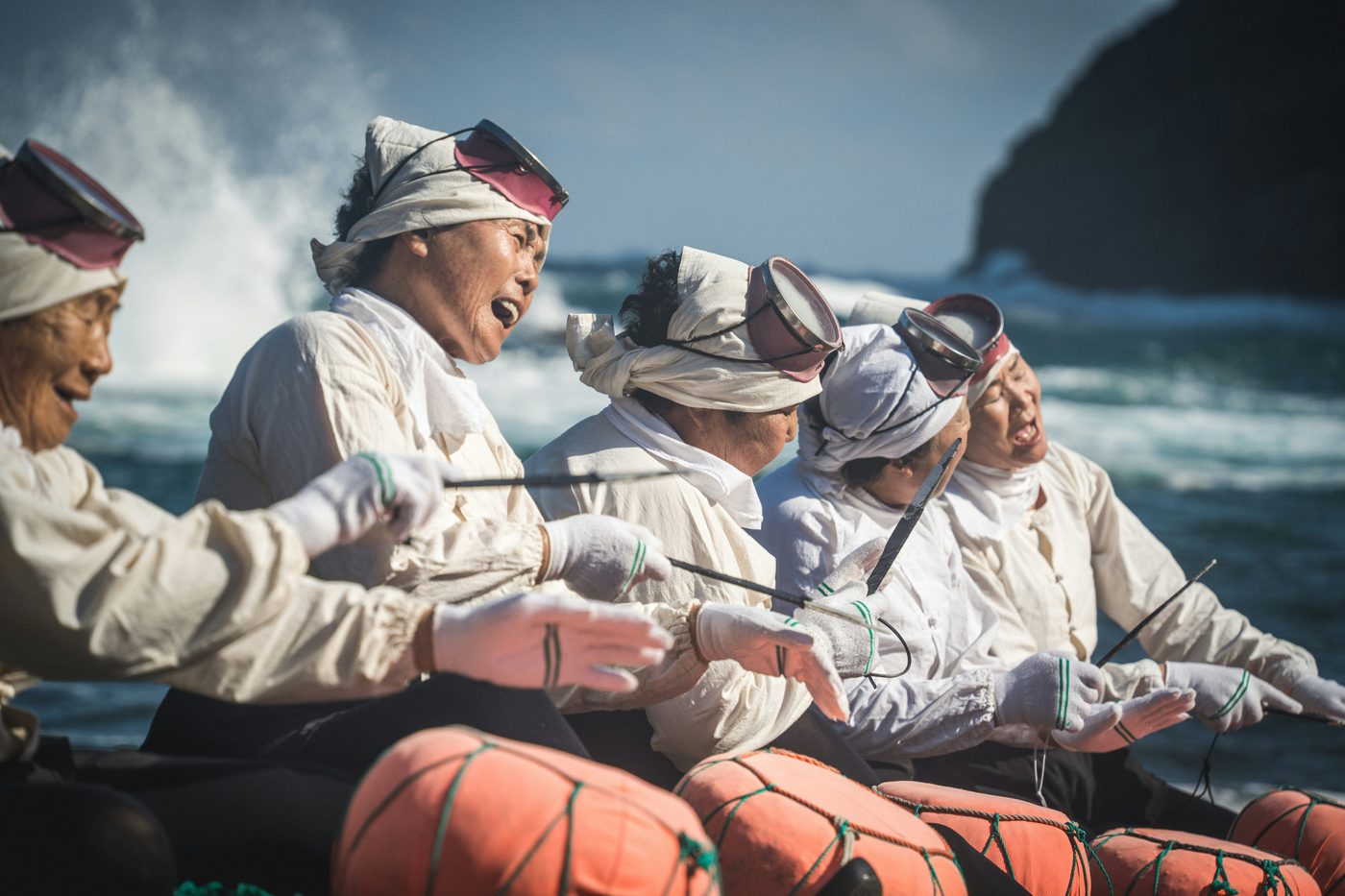
Admission is 5,000 KRW. If you are not a morning person, it is still worth visiting later in the day. The haenyeo (female free-divers) perform demonstrations near the base, which is genuinely fascinating to watch. These women dive without oxygen tanks to harvest sea creatures, a tradition that UNESCO recognized as cultural heritage.
Manjanggul Lava Tube
A 7.4 km lava tube formed by volcanic eruptions, with about 1 km open to visitors. It is cool inside (literally, bring a jacket) and the scale of the tunnel is impressive. The lava column at the end is the largest in the world. Not the most exciting activity on the island, but worth 30-40 minutes if you are in the area. Admission is 4,000 KRW.
Beaches
Jeju beaches are not Bali. The water is cold except in July and August, and some beaches are made of black volcanic rock rather than white sand. But they are beautiful in a rugged, windswept way.
- Hyeopjae Beach: The most popular. Clear turquoise water (by Korean standards), white sand, and a view of Biyangdo Island. Gets crowded in summer. Parking is 2,000 KRW.
- Jungmun Saekdal Beach: On the south coast near the resort area. The mix of black and white sand is unusual. The waves here are bigger and it is a decent surf spot.
- Hamdeok Beach: Near Jeju City on the north coast. Shallow, calm water good for families. The Sehwa area nearby has great cafes.
- Woljeongri Beach: East coast, known for the row of cute cafes overlooking the water. The beach itself is nice but people come for the cafe strip.
The Olle Trail
Jeju Olle is a network of 26 coastal walking routes that circle the entire island, totaling about 425 km. You do not need to do the whole thing. Each route is 11-23 km and can be walked in a day. Route 7 (Seogwipo waterfall coast) and Route 10 (Songaksan and Yongmeori coast) are two of the best. They are flat-to-moderate, well-marked with the little blue and orange arrows, and pass through scenery that you will not see from the road.
Watch
Jeju Island in 60 seconds
What to Eat
Jeju food is distinct from mainland Korean food. The island is famous for three things: black pork, seafood, and tangerines.
- Heuk-dwaeji (black pork): Jeju's black pigs are raised on the island and the pork is fattier and more flavorful than regular Korean samgyeopsal. Eat it grilled at a BBQ restaurant. Budget 15,000-20,000 KRW per person. The Heuk-dwaeji Street in Jeju City has dozens of restaurants, but check Woongie for specific picks because quality varies.
- Haemul-ttukbaegi (seafood stew): A bubbling pot of whatever was caught that morning, usually including abalone, sea urchin, and various shellfish. About 12,000-18,000 KRW.
- Jeonbok-juk (abalone porridge): Creamy rice porridge with fresh abalone. It is Jeju's comfort food. About 12,000-15,000 KRW at a good spot.
- Tangerines: In season from October to February. They are everywhere, dirt cheap (a bag for 3,000-5,000 KRW at roadside stands), and better than any tangerine you have had before. Hallabong (the lumpy ones with the bump on top) are the premium variety.
A 2-3 Day Jeju Itinerary
Day 1: East Side
Morning flight from Seoul, pick up rental car. Drive to Seongsan Ilchulbong, hike the crater. Lunch at one of the haenyeo restaurants nearby (seafood caught by the divers). Afternoon at Manjanggul Lava Tube. Drive to Seogwipo and check in. Dinner at a black pork restaurant.
Day 2: South and West
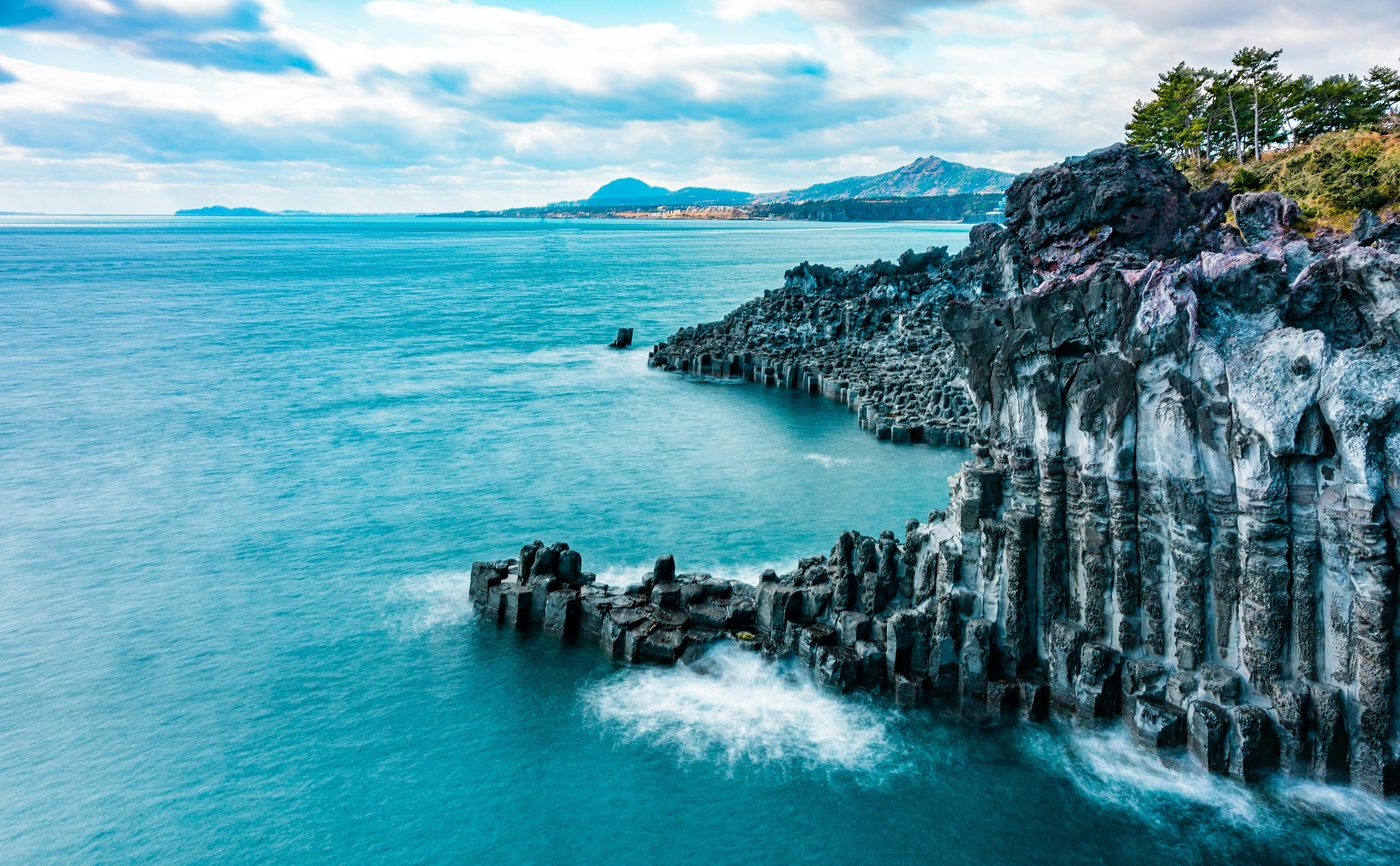
Morning at Jungmun area: Jusangjeolli cliff columns, Cheonjeyeon Waterfall (there are three tiers, the first is the best). Lunch in Seogwipo (the Maeil Olle Market has good street food and is not touristy). Afternoon drive to the west coast: Hyeopjae Beach, then O'sulloc Tea Museum (free entry, the green tea fields are photogenic, the gift shop is expensive). Dinner at a seafood restaurant on the west coast.
Day 3 (if you have it): Hallasan or North Coast
If you are up for the big hike, start Hallasan at 6 AM. If not, drive the north coast: Hamdeok Beach, Woljeongri Beach cafes, and any of the small villages along the coast road. Return car, afternoon flight to Seoul.
Budget: 2-3 Days on Jeju
- Flights: 50,000-150,000 KRW round trip
- Car rental: 40,000-70,000 KRW/day
- Gas: About 30,000-40,000 KRW to circle the island once
- Accommodation: 60,000-130,000 KRW/night (pensions and guesthouses are cheaper than hotels)
- Food: 30,000-50,000 KRW/day
- Activities: Most attractions are free or under 5,000 KRW
- Total 3 days: roughly 350,000-700,000 KRW ($260-520) including flights
Quick Tips
- Jeju has its own dialect that even mainland Koreans struggle with. Younger Jeju residents speak standard Korean though.
- The dol hareubang (stone grandfather statues) are everywhere. They are Jeju's symbol and you will see them at every tourist spot, restaurant, and souvenir shop.
- If you visit in spring (March-April), the canola flower fields on the south coast are spectacular. Bright yellow fields with Hallasan in the background.
- WiFi is available at most cafes and tourist sites but signal can be weak in rural areas. Download offline maps before you go.
- Jeju convenience stores sell tangerine-flavored everything. Tangerine chocolate, tangerine beer, tangerine cookies. Some are good. Most are souvenirs.
- The Jeju stone walls that line every road and field are protected cultural heritage. They look like they are just piled rocks, but the construction technique is unique to the island.