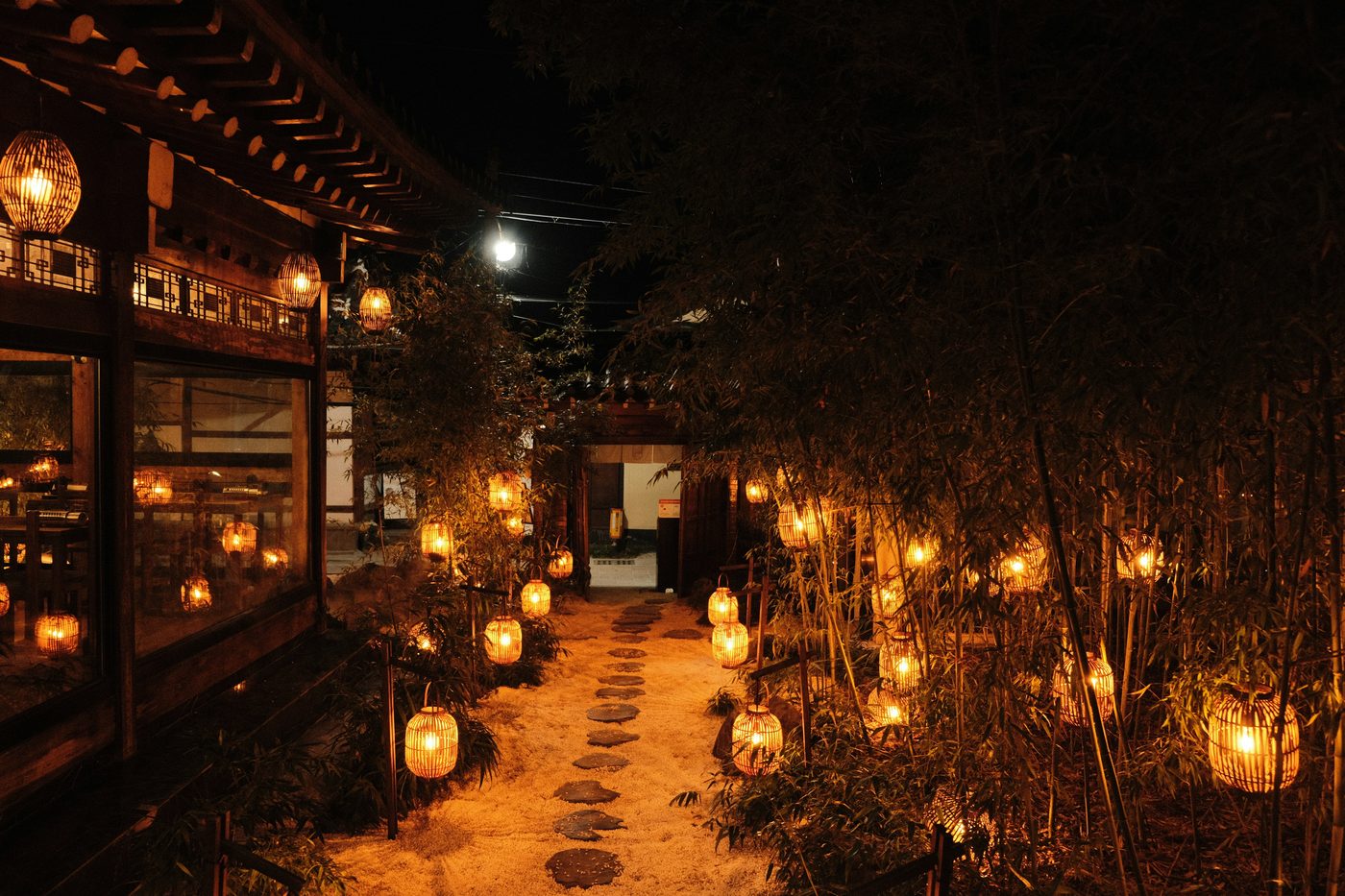
The standard Korea tourist circuit goes: Seoul for 3 days, maybe Busan, maybe Jeju, fly home. Those cities are great, but they are also where every other visitor goes. Korea has a lot more going on outside the big three, and most of it is reachable by train or bus in under 3 hours from Seoul.
These are not obscure villages that require a 4x4 and a local guide. They are real destinations with real infrastructure that Koreans visit regularly. You just will not find many other foreign tourists there, which is honestly part of the appeal.
1. Gyeongju: The Outdoor Museum
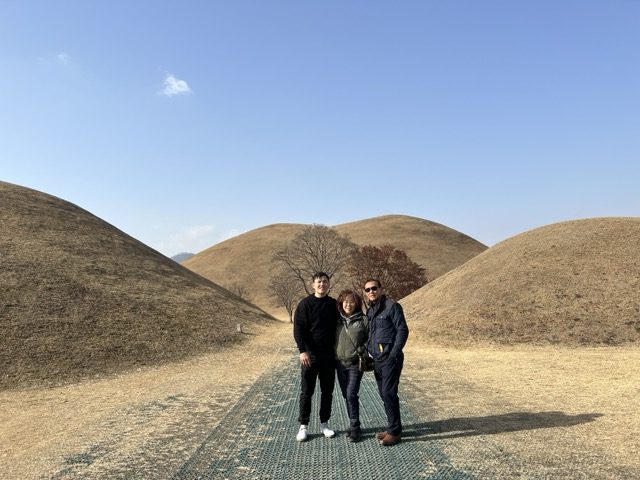
Gyeongju was the capital of the Silla Kingdom for nearly 1,000 years, and the whole city feels like an open-air museum. Royal burial mounds sit in the middle of town like grassy hills. Ancient observatories and temple ruins are scattered between convenience stores and apartment blocks. It is casual and strange and completely different from anywhere else in Korea.
Do not miss: Bulguksa Temple and Seokguram Grotto (both UNESCO sites), the Daereungwon tomb complex (you can go inside one of them), and Anapji Pond at night when it is lit up and reflected in the water. Cheomseongdae, the oldest observatory in East Asia, is in the middle of a field you can walk through for free.
What to eat:Gyeongju bread (gyeongju-ppang) is the city's famous snack: a small, sweet red bean pastry sold everywhere for about 1,000 KRW each. Hwangnidan-gil, the trendy cafe street near the tombs, has good lunch spots. Try ssambap (lettuce wraps with side dishes) at a local restaurant.
Getting there: KTX to Singyeongju (2 hours from Seoul, 45,000-55,000 KRW), then 20 minutes by bus to the center. Works as a day trip from Busan (1 hour by bus) or an overnight from Seoul.
Time needed: 1-2 days. One full day covers the highlights. Two days lets you breathe.
Watch
Korea's hidden gems
2. Jeonju: Where Bibimbap Comes From
Jeonju is famous for two things: its hanok village and its food. The hanok village is the largest traditional Korean house district in the country, about 700 hanok clustered in a walkable neighborhood. Unlike Bukchon in Seoul, where people just take photos from the street, in Jeonju you can sleep in a hanok, eat in a hanok, and get a hanbok fitting in a hanok.
But the real reason to come is the food. Jeonju bibimbap is the original. It uses more ingredients, better seasoning, and a raw egg yolk on top. Eating it here versus Seoul is the difference between getting pizza in Naples versus an airport food court. A proper Jeonju bibimbap costs about 10,000-13,000 KRW.
The street food scene around the hanok village is also excellent. Choco pie (Jeonju-style, not the boxed kind), hand-pulled noodles, and the PNB bakery's original choco pie have lines for a reason.
Getting there: KTX to Jeonju Station (1.5 hours from Seoul, about 28,000 KRW). Bus to the hanok village is 10 minutes.
Time needed: 1 day is enough. Overnight in a hanok is nice but not essential.
3. Andong: Tradition Without the Tourist Polish
Andong is Korea's most traditional city, and it wears that identity without trying to be cute about it. Hahoe Village is a UNESCO World Heritage Site where people still live in hanok houses that are 200-600 years old. It does not feel like a museum. It feels like walking into a Korean period drama set, except the laundry hanging outside is real.
The Andong mask dance festival (late September to early October) is worth planning around if your dates align. The mask dances are satirical performances that date back centuries and are genuinely entertaining even without understanding Korean.
What to eat: Andong jjimdak (braised chicken with glass noodles). The original comes from the old market area, and you will see 10+ restaurants claiming to be the original. Most are good. About 12,000-15,000 KRW per person. Also try heotjesabap (fake ancestral rite food), which is a spread of traditional dishes that were originally made for ceremonies but now are served as a set meal.
Getting there: Bus from Dong Seoul Terminal (about 2.5 hours, 20,000-25,000 KRW). The train is slower and less direct.
Time needed: 1-2 days.
4. Sokcho and Seoraksan
Sokcho is a small east coast city that serves as the gateway to Seoraksan National Park. Most people come just for the mountain, but Sokcho itself has a personality worth exploring. The Sokcho Central Market has one of the best street food scenes outside Seoul. The squid sundae (squid stuffed with glass noodles) is famous for a reason.
The Abai Village across the channel is a neighborhood originally settled by North Korean refugees. The hand-pulled ferry across the water costs 500 KRW and the dumplings on the other side are some of the best in Korea.
Beyond the mountain: Naksan Beach is 20 minutes south and has a temple (Naksansa) on a cliff overlooking the East Sea. The sunrise from the temple observation deck is one of the best in the country.
Getting there: Express bus from Seoul (2.5 hours, 18,000-22,000 KRW).
Time needed: 2 days (one for Seoraksan, one for Sokcho and surroundings).
5. Boseong: Green Tea Fields
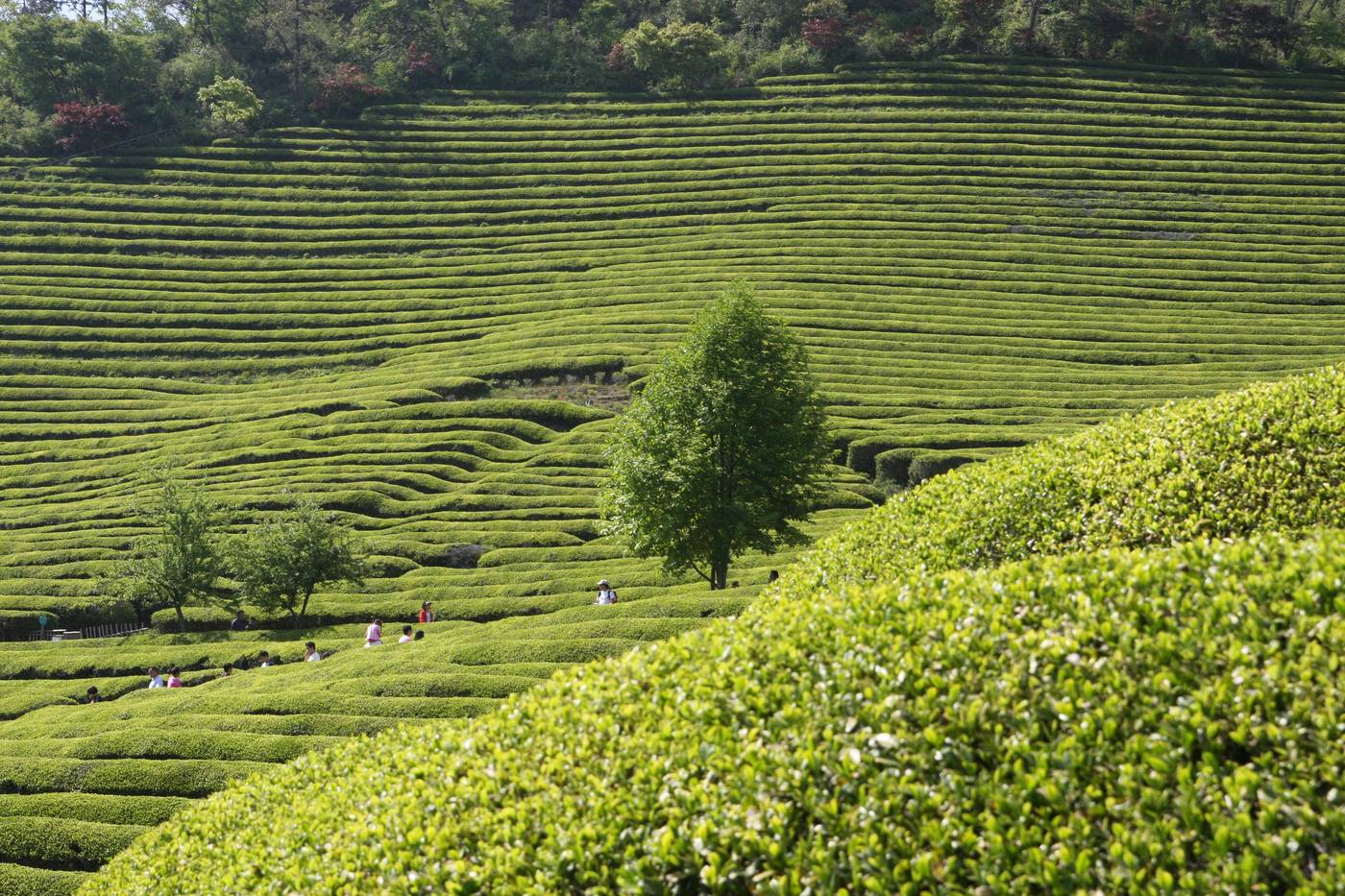
Boseong produces about 40% of Korea's green tea, and the tea plantations here are iconic. The Daehan Dawon plantation is the famous one, with rows of manicured tea bushes climbing up hillsides that look almost unnaturally green. In spring and early summer, the contrast between the bright green tea fields and the surrounding forests is striking.
Visit the plantation (4,000 KRW entry), walk through the rows, try fresh green tea ice cream (3,000 KRW, and it actually tastes like tea, not sugar), and have a pot of tea at the hillside cafe. The whole visit takes about 2 hours.
Honest take: Boseong is remote. Getting there without a car involves multiple bus connections and takes about 4 hours from Seoul. It is beautiful, but if you are short on time, it is hard to justify unless you are already in the Jeolla Province area. Combine it with Suncheon Bay or Damyang if you are driving.
Getting there: Bus from Seoul to Boseong (about 3.5-4 hours, 25,000 KRW). A car makes this much easier.
Time needed: Half a day for the tea fields. Combine with nearby destinations.
6. Damyang: Bamboo Forest
Damyang's Juknokwon bamboo forest is the real thing. Tall, dense bamboo groves with walking paths that filter the light into something green and soft. It is quieter and more atmospheric than you expect. The forest is well-maintained with about 8 different walking routes ranging from 20 minutes to over an hour.
The town is also known for ddeok galbi (grilled minced short rib patties), which is messy, delicious, and unique to the Damyang area. About 12,000-15,000 KRW per serving. The restaurants along the main road near the bamboo forest are mostly decent.
Getting there: Bus from Seoul to Damyang (about 3 hours, 20,000-25,000 KRW). Or bus from Gwangju (30 minutes), which is easier if you are already in the south.
Time needed: Half a day. Combine with Gwangju or Boseong.
7. Tongyeong: Korea's Coastal Town
Tongyeong is a small port city on the south coast that feels like a Korean fishing village crossed with a Mediterranean hill town. Colorful houses stack up the hillside, fishing boats bob in the harbor, and the seafood is some of the freshest in the country because the boats literally dock next to the restaurants.
Take the cable car to Mireuksan for panoramic views of the Hallyeo Marine National Park and its scattered islands. The Dongpirang Mural Village has street art on the sides of old houses clinging to a cliff. It is the original version of what Gamcheon in Busan became.
What to eat:Chungmu gimbap (Tongyeong's original name was Chungmu). It is plain rice gimbap served with spicy radish and squid side dishes. Simple and cheap (4,000-5,000 KRW). The central fish market has the raw fish, and it is noticeably cheaper than Busan's Jagalchi.
Getting there: Bus from Busan (about 1.5 hours, 12,000 KRW) or bus from Seoul (about 4 hours).
Time needed: 1-2 days. Great as a day trip from Busan or an overnight.
8. Suncheon Bay: Wetlands and Reeds
Suncheon Bay is a massive coastal wetland that looks like something out of a nature documentary. In autumn, the reed fields turn golden and stretch to the horizon. In spring, the migratory birds fill the mudflats. It is peaceful in a way that most of Korea's tourist spots are not.
The elevated walkway through the reed fields takes about 40 minutes and ends at an observation deck overlooking the bay. The Suncheon Bay National Garden nearby is Korea's first national garden, with themed gardens representing different countries. It is well-done but takes 2-3 hours to walk properly.
What to eat: Suncheon is in Jeolla Province, which Koreans consider the best food region in the country. Hanjeongsik (Korean full-course meal) restaurants here offer 15-20 side dishes with rice for about 12,000-18,000 KRW per person. The quality and quantity of banchan is honestly ridiculous.
Getting there: KTX to Suncheon (2.5 hours from Seoul, about 40,000 KRW). Local bus to the bay.
Time needed: 1 day. Combine with Boseong or Yeosu for a south coast trip.
Quick Tips
- Express buses in Korea are comfortable, cheap, and run on time. The Kobus website or app lets you book in advance. Most routes have departures every 30-60 minutes.
- Accommodation outside the big cities is cheaper. A clean motel or pension runs 40,000-80,000 KRW per night. AirStay and Yanolja are the Korean booking apps that have more listings than international platforms.
- T-money cards work on city buses everywhere in Korea, not just Seoul.
- Many of these towns are small enough to walk or bike. Several have public bike rental systems similar to Seoul's Ddareungi.
- English signage outside major cities is limited. Naver Map, Papago, and a sense of adventure are your friends.
- Use Woongie for restaurant picks wherever you go. Smaller cities have fewer review options and finding the right spot matters more.