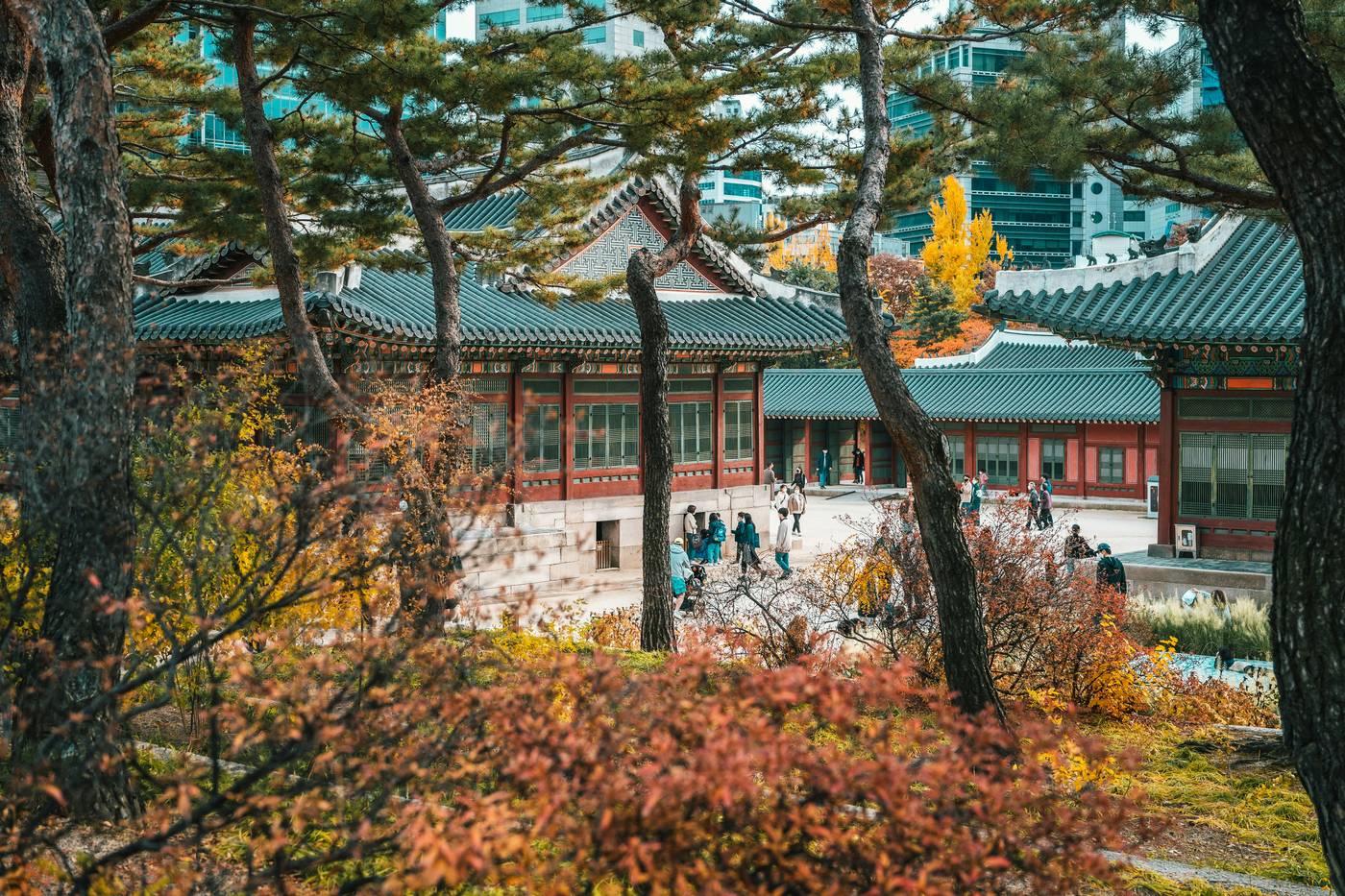
Korea's fall colors are not subtle. The mountains go from green to bright orange and red in what feels like a week, the temperature drops to perfect hoodie weather, and suddenly everyone in the country is outside trying to photograph the same maple tree. It is genuinely beautiful, but the window is narrow and the timing is not obvious if you have never been here before.
I have lived through several Korean autumns now, and here is what I wish someone had told me the first time: the peak dates shift by region, the famous spots get crushed on weekends, and some of the best foliage is in places you can reach by subway without a 5 AM bus ticket.
Understanding the Timing
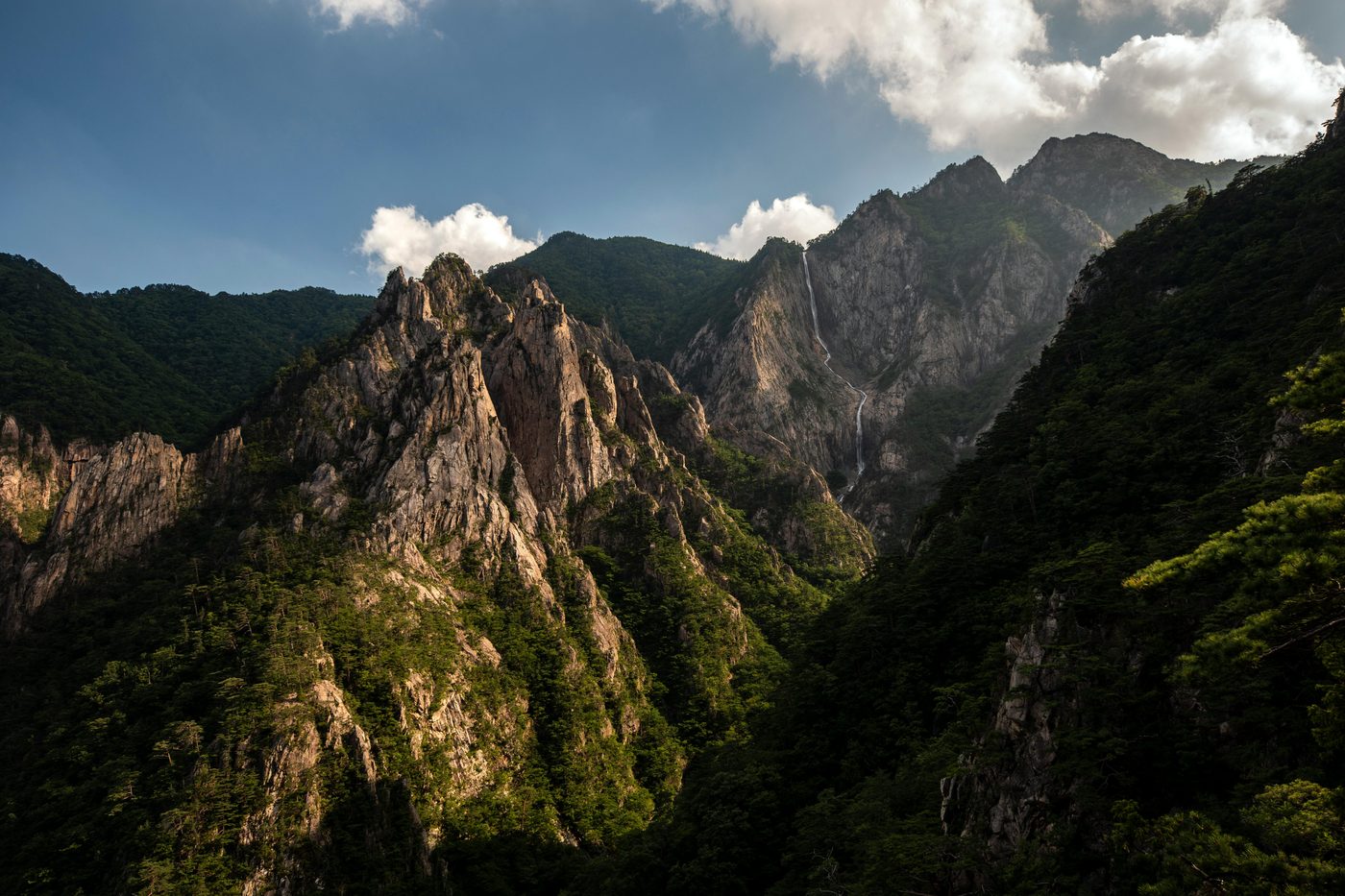
Fall color in Korea moves from north to south and from high altitude to low. Seoraksan, up near the east coast, turns first because it is the tallest and most northern of the popular mountains. Seoul's city trees follow about two weeks later. The southern mountains like Naejangsan bring up the rear.
This matters because if you come the third week of October expecting peak color everywhere, you will get perfect leaves at Seoraksan but mostly green trees in Seoul. If you come the first week of November, Seoul will be at peak but Seoraksan will already be past it, with bare branches on the upper trails. Plan around the specific region you care about most.
The Big Five Foliage Spots
1. Seoraksan National Park
The most famous fall foliage destination in Korea, and honestly, it earns it. The mountains are dramatic, the colors are intense, and there are trails for every fitness level. The easiest is the walk to Biseondae Rock (about 3.5 km round trip, mostly flat). The cable car up to Gwongeumseong Fortress gives you panoramic views without the hike, but the line can be 2+ hours on weekends. I am not exaggerating.
Getting there:Express bus from Seoul's Dong Seoul Terminal to Sokcho (about 2.5 hours, 18,000-22,000 KRW). Then local bus or taxi to the park entrance. A day trip is possible but exhausting. One night in Sokcho is better.
Peak: October 15-25 typically. Higher elevations turn earlier.
2. Naejangsan National Park
Naejangsan is the one with the tunnel of maple trees you have seen in every Korea autumn photo. That tunnel is real and it is spectacular, but it is also about 200 meters long and packed with people holding selfie sticks. Go early on a weekday if you can. The hike up to the ridge above the temple (Naejangsa) is where the real payoff is. The valley below turns into a patchwork of red, orange, and yellow.
Getting there: KTX to Jeongeup Station (about 1.5 hours from Seoul, around 30,000 KRW), then bus to the park.
Peak: Late October to early November. Usually the last major spot to peak.
3. Nami Island
Nami Island is not a mountain hike. It is a flat, easy walk through rows of towering trees that create natural tunnels of color. The famous lane of metasequoia trees turns golden in autumn, and the ginkgo-lined paths are just as good. It is extremely photogenic, extremely popular, and the crowds on weekends are intense.
Getting there: ITX-Cheongchun train from Yongsan or Cheongnyangni Station to Gapyeong (about 1 hour, 6,000-8,000 KRW), then shuttle bus to the ferry. Round-trip ferry and island admission is 16,000 KRW for foreigners.
Peak: Late October to early November.
Honest take: It is beautiful but it can feel like a theme park. If you want a quieter alternative, Jarasum Island nearby has similar vibes with a fraction of the people.
4. Gyeongju
Gyeongju is Korea's ancient capital and already worth visiting for the history. In autumn, it becomes something else entirely. The royal tombs (Daereungwon) surrounded by golden foliage, Bulguksa Temple with red maples framing the stone architecture, and Bomun Lake lined with cherry and ginkgo trees. It is quieter than the mountain parks and easier to combine with sightseeing.
Getting there: KTX to Singyeongju (about 2 hours from Seoul, 45,000-55,000 KRW), then bus to the city center.
Peak: Late October to mid-November.
5. Bukhansan National Park (Seoul)
You do not have to leave Seoul for good fall color. Bukhansan is a proper mountain with granite peaks and forested valleys, and it sits inside the city limits. The Bukhansanseong trail from Gupabal Station is the most popular route, about 4-5 hours round trip to the ridge. The lower sections through the forest are where the foliage is thickest.
Getting there: Subway Line 3 to Gupabal Station, then bus 704 to the trailhead. Total cost from central Seoul is about 2,500 KRW.
Peak: Late October to early November.
Watch
Korea fall foliage
Seoul Spots for People Who Do Not Hike
Not everyone wants to climb a mountain, and that is fine. Seoul has plenty of fall color at ground level.
- Namsan: The walk up from the base (skip the cable car, the whole point is the tree tunnel) takes about 30-40 minutes. The ginkgo-lined path near Namsan Library is one of the best in the city.
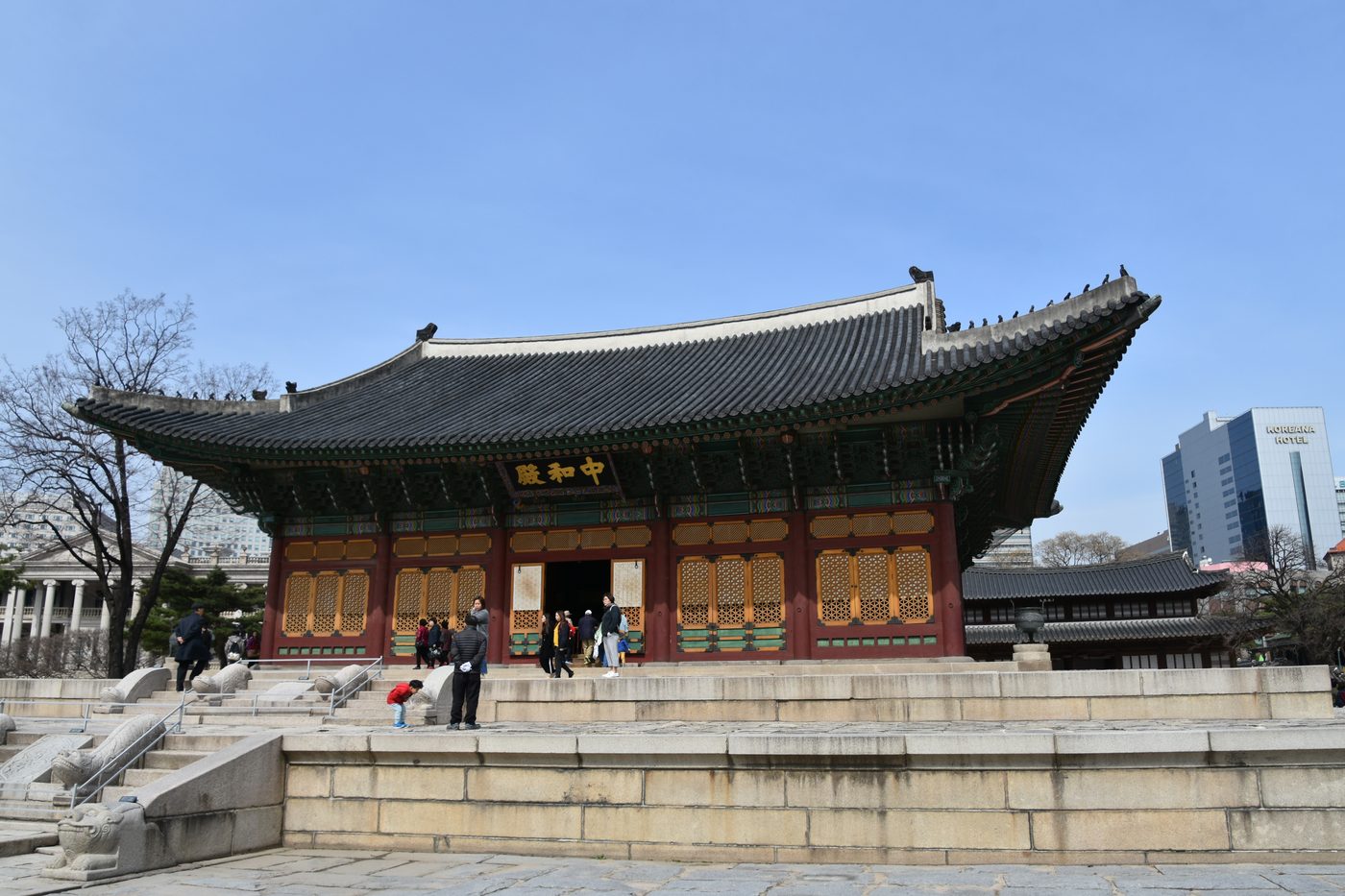
- Deoksugung Stone Wall Road: A 10-minute walk along the palace wall, lined with trees that turn gold. It is in the middle of the city and completely free.
- Olympic Park: Huge park in Songpa-gu with wide paths through forests. Almost no tourists. Locals jog and bike here.
- Seoul Forest: Similar to Olympic Park but in Seongsu-dong. Good if you are already visiting that neighborhood. The deer garden surrounded by fall trees is unexpectedly charming.
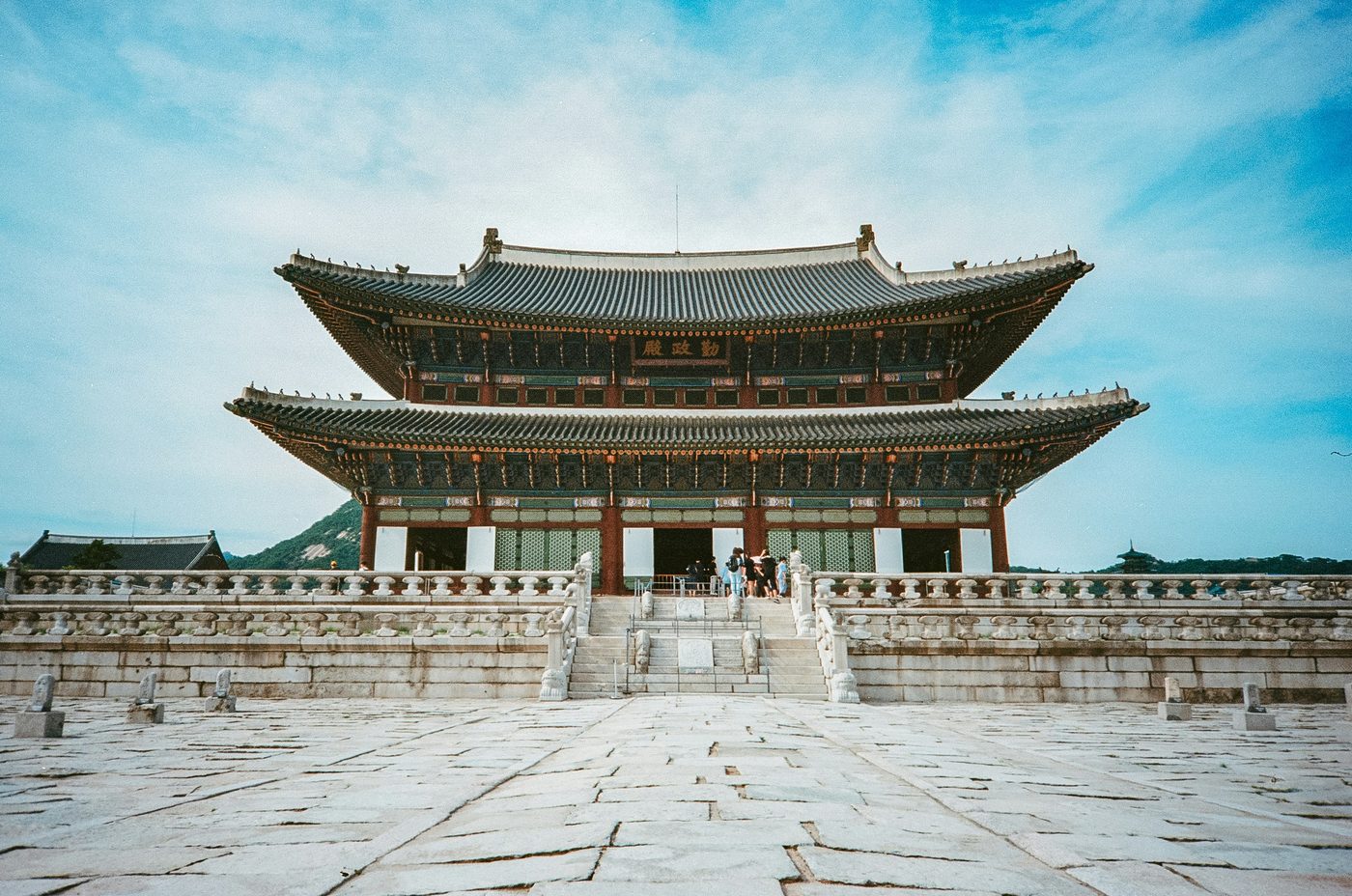
- Gyeongbokgung Palace: The palace grounds with autumn leaves behind traditional architecture is the most “Korea in fall” photo you will take.
Weather and What to Pack
Korean autumn days are warm (15-22°C in October, 5-15°C in November), but mornings and evenings get cold fast, especially in the mountains. Layers are not optional. I have been caught on Bukhansan in a t-shirt in October and regretted it by 3 PM.
- Light down jacket or fleece (mornings and evenings)
- Good walking shoes, not fashion sneakers, if you plan to hike
- Sunglasses (the autumn light is strong and low-angle)
- Portable battery pack (you will take more photos than you expect)
Crowd Reality
Here is what most guides will not tell you: peak foliage weekends at Naejangsan and Seoraksan are genuinely unpleasant if you do not like crowds. I am talking parking lots full by 8 AM, shuttle buses with 45-minute waits, and trails that feel like a single-file march. The foliage is still beautiful, but the experience is stressful.
What to do about it: Go on a weekday if at all possible. Tuesday through Thursday is best. If you can only go on a weekend, arrive before 8 AM or go to secondary spots (Bukhansan over Seoraksan, Daedunsan over Naejangsan). The foliage is 90% as good with 30% of the people.
Combine It: Temple Stays in Autumn
Korea has a temple stay program where you can sleep at a Buddhist temple, eat temple food, and do morning meditation. Several temples are in mountain locations that look incredible in fall. Beopjusa in Songnisan and Beomeosa near Busan are two that sit in prime foliage zones. A one-night temple stay runs about 50,000-80,000 KRW and includes meals. Book through templestay.com.
It is a completely different way to experience the season. Waking up to a 5 AM bell with autumn fog in the valley is something I still think about.
Quick Tips
- National park entry is free in Korea. Parking is not (3,000-5,000 KRW).
- The foliage forecast updates weekly on the KMA website starting in September. Use it.
- Convenience store hot drinks (sweet potato latte, honey citron tea) are a fall hiking essential. 1,500-2,000 KRW.
- If you are renting a car for Naejangsan or Seoraksan, leave Seoul before 6 AM on weekends. The highways become parking lots.
- Ginkgo trees smell terrible when the berries fall. Gorgeous to look at, unpleasant to stand under. You have been warned.