Five years ago, Seongsu-dong was a neighborhood of shoe factories and small workshops on the east side of Seoul. Not a place anyone visited on purpose. Now it is the neighborhood that every Korean media outlet writes about, every brand wants a pop-up in, and every Seoul resident under 35 goes to on weekends. The transformation has been fast, deliberate, and genuinely interesting to walk through.
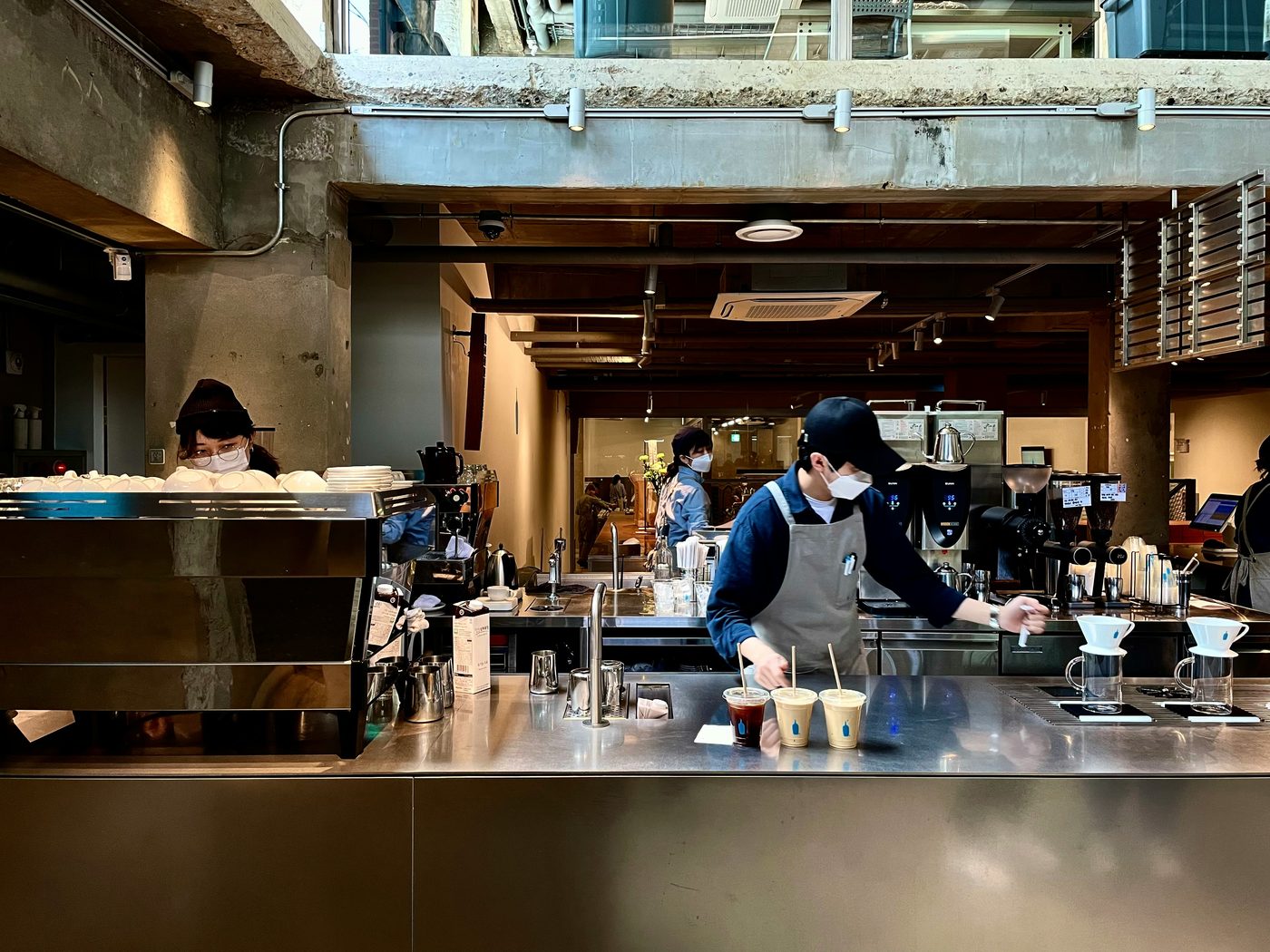
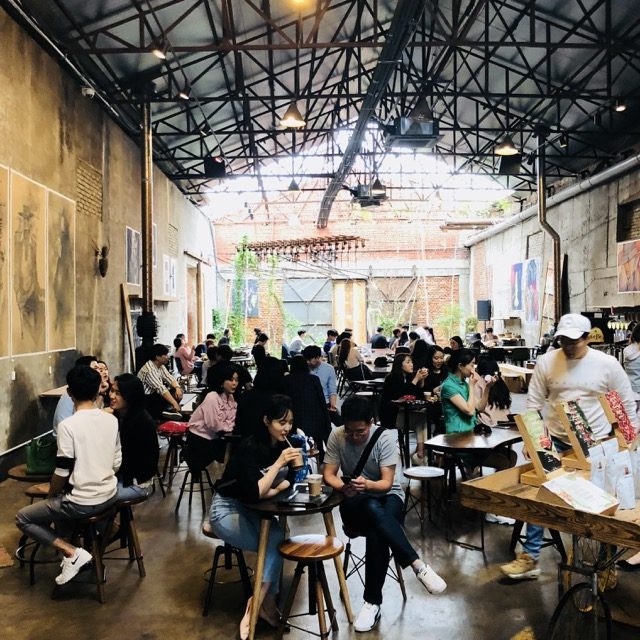
What makes Seongsu different from other trendy Seoul neighborhoods is the architecture. Instead of tearing down the old factories, developers and cafe owners converted them. So you end up with espresso bars inside former printing workshops, clothing stores in old warehouses with exposed steel beams, and restaurants where the concrete walls and industrial piping are the decor. It sounds like it could be pretentious, but it mostly works because the spaces are big, the ceilings are high, and the light is good.
What Happened Here
Seongsu-dong used to be Seoul's handmade shoe manufacturing district. At its peak, the neighborhood had hundreds of small workshops producing shoes by hand. As manufacturing moved overseas and demand shifted, many factories closed or downsized. The empty warehouses sat cheap and available.
Around 2018-2019, small cafe owners and designers started renting the spaces. They kept the industrial bones and added their own aesthetic. Then bigger brands noticed, then the media, then everyone else. By 2023, Seongsu had become Seoul's answer to Williamsburg or Shoreditch, except it happened in roughly half the time.
Some of the original shoe workshops are still operating, side by side with third-wave coffee shops. That contrast is part of what makes the neighborhood interesting. You can watch a guy hand-stitching leather soles through one window and order an oat milk cortado through the next.
Coffee
Seongsu has the highest concentration of specialty coffee shops in Seoul, and possibly in Korea. This is not an exaggeration. Within a few blocks, you can find single-origin pour-over, in-house roasting operations, and baristas who compete nationally. If you care about coffee at all, this is the neighborhood.
A few spots worth knowing:
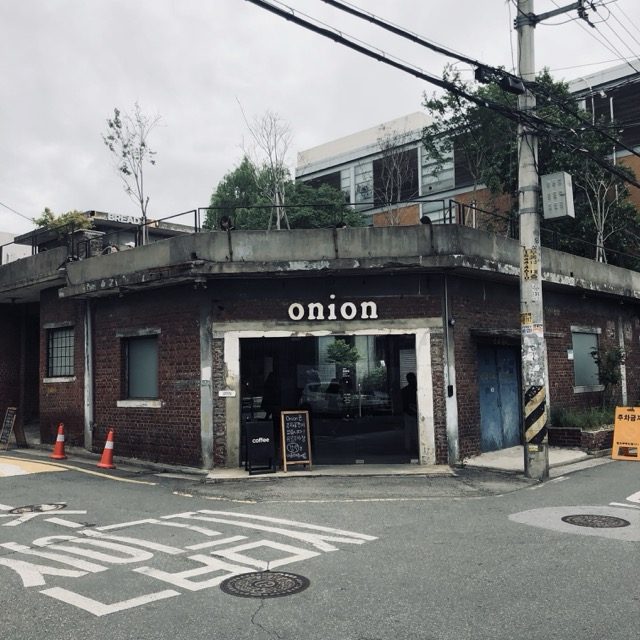
- Cafe Onion Seongsu: The one that started it all. A converted factory with exposed brick, raw concrete, and pastries that are worth the wait. The line on weekends can be 20-30 minutes. Go before 10 AM on a weekday. Americano 5,500 KRW, pastries 4,000-7,000 KRW.
- Mel Coffee Roasters: Smaller, quieter, serious about coffee. Good single-origin options. The baristas actually want to talk about beans if you are into that.
- Center Coffee: Clean, minimal space with consistently good espresso. Less of a scene, more of a coffee shop.
- Warehouse-style cafes: There are dozens with no English name that are just as good. Walk into any cafe with high ceilings, concrete walls, and a roaster visible from the counter. You will be fine.
Budget 5,000-7,000 KRW for a specialty coffee. That is standard for Seoul specialty shops.
Watch
Seongsu-dong vibes
Concept Stores and Pop-ups
Seongsu is where Korean and international brands test new concepts. On any given week, there are 5-10 pop-up stores running in the neighborhood, from fashion brands to cosmetics to tech companies. Some are elaborate multi-room experiences that feel like walking through an art installation. Others are just shops with limited-edition products.
The permanent concept stores are worth exploring too. Seongsu has independent fashion labels, handmade leather goods shops (a nod to the neighborhood's shoe-making history), and design studios that double as retail spaces. The area between Seongsu Station and Ttukseom Station has the densest concentration.
What to skip:Some of the pop-ups are just Instagram bait with no real substance. If the line is 40+ minutes and the concept is “take a photo in a room filled with [branded object],” that is a marketing activation, not a cultural experience. Walk past.
Where to Eat
Seongsu's food scene skews creative. You will find more Korean-Western fusion, brunch spots, and natural wine bars here than traditional Korean restaurants. That is not a criticism. The quality is high and the chefs are doing interesting things.
- Italian-Korean fusion: Several restaurants in the area blend Korean ingredients with Italian technique. Think gochujang pasta, kimchi risotto, and handmade noodles with Korean seafood. Prices range from 15,000-25,000 KRW for a main.
- Craft breweries: Seongsu has several good ones. Amazingbrewing Co. is probably the most well-known, with an outdoor area that gets packed on warm evenings. A pint runs about 8,000-10,000 KRW.
- Brunch spots: If you missed good eggs benedict or avocado toast in Korea, Seongsu is where you will find it. Weekend brunch is a thing here. Budget 15,000-20,000 KRW.
- Traditional Korean: Harder to find in the trendy blocks, but the side streets still have old-school kalguksu (knife-cut noodle) shops and gimbap places where lunch is 7,000-9,000 KRW.
Check Woongie for specific restaurant recommendations. The neighborhood changes fast and new places open monthly.
The Warehouse Aesthetic
Part of what draws people to Seongsu is the look. The converted warehouses have a visual character that most of Seoul's newer neighborhoods lack. High ceilings, raw concrete, exposed ductwork, steel-frame windows, and industrial doors that slide on tracks. Architects and designers have worked with the existing structures rather than against them, which gives the neighborhood an authenticity that planned districts do not have.
If you are interested in architecture or design, Seongsu is worth visiting just to see how industrial reuse works in a Korean context. It is different from the loft conversions in New York or London because the original buildings were smaller, the conversions are more recent, and the mixing of old and new is more abrupt.
Pair It: Seoul Forest and the Han River
Seoul Forest is a 10-minute walk east from Seongsu Station (or one stop to Ttukseom Station). It is a large park with walking paths, a deer garden (free, and surprisingly charming), butterfly house, and wide lawns. On weekdays it is quiet enough to feel like you have it to yourself. On weekends, it fills with families and couples.
The Han River is accessible from Ttukseom Hangang Park, also nearby. Rent a bike (3,000 KRW per hour from the park rental stations) and ride along the river path, or just sit on the grass. In warm weather, the convenience stores near the park sell ramyeon that you can cook on the spot using hot water machines. A bowl of ramyeon by the Han River at sunset costs about 2,000 KRW and is one of Seoul's simplest good experiences.
When to Visit
Weekday mornings (before noon): The best time. Cafes are open, the streets are calm, and you can actually get a table at Cafe Onion without waiting. This is when photographers come for a reason.
Weekday afternoons: Still manageable. Pop-ups are open, and the neighborhood has a relaxed buzz without the crowd stress.
Saturday and Sunday: Packed. Every cafe has a line, the sidewalks are shoulder-to-shoulder in the main blocks, and finding a table anywhere requires patience. If weekends are your only option, go early (before 11 AM) or late (after 5 PM when the day-trippers leave). Avoid Saturday 1-4 PM entirely.
Quick Tips
- Many Seongsu cafes and stores are closed on Mondays. Check Naver before going to a specific place on a Monday.
- The area around Seongsugyo (Seongsu Bridge) has larger, more established concept stores. The area between Seongsu and Ttukseom stations has smaller, more independent spots.
- Street parking is almost nonexistent. If you have a rental car, park at Seoul Forest and walk.
- Seongsu is on Line 2 (green), which is the most connected line in Seoul. You can get here easily from almost anywhere.
- The neighborhood is flat, so it is comfortable for walking. Unlike Bukchon or Itaewon, there are no hills to climb.
- Some shoe workshops offer custom shoe-making experiences (usually need to book in advance, 200,000-400,000 KRW). If that interests you, search on Naver for Seongsu handmade shoes.