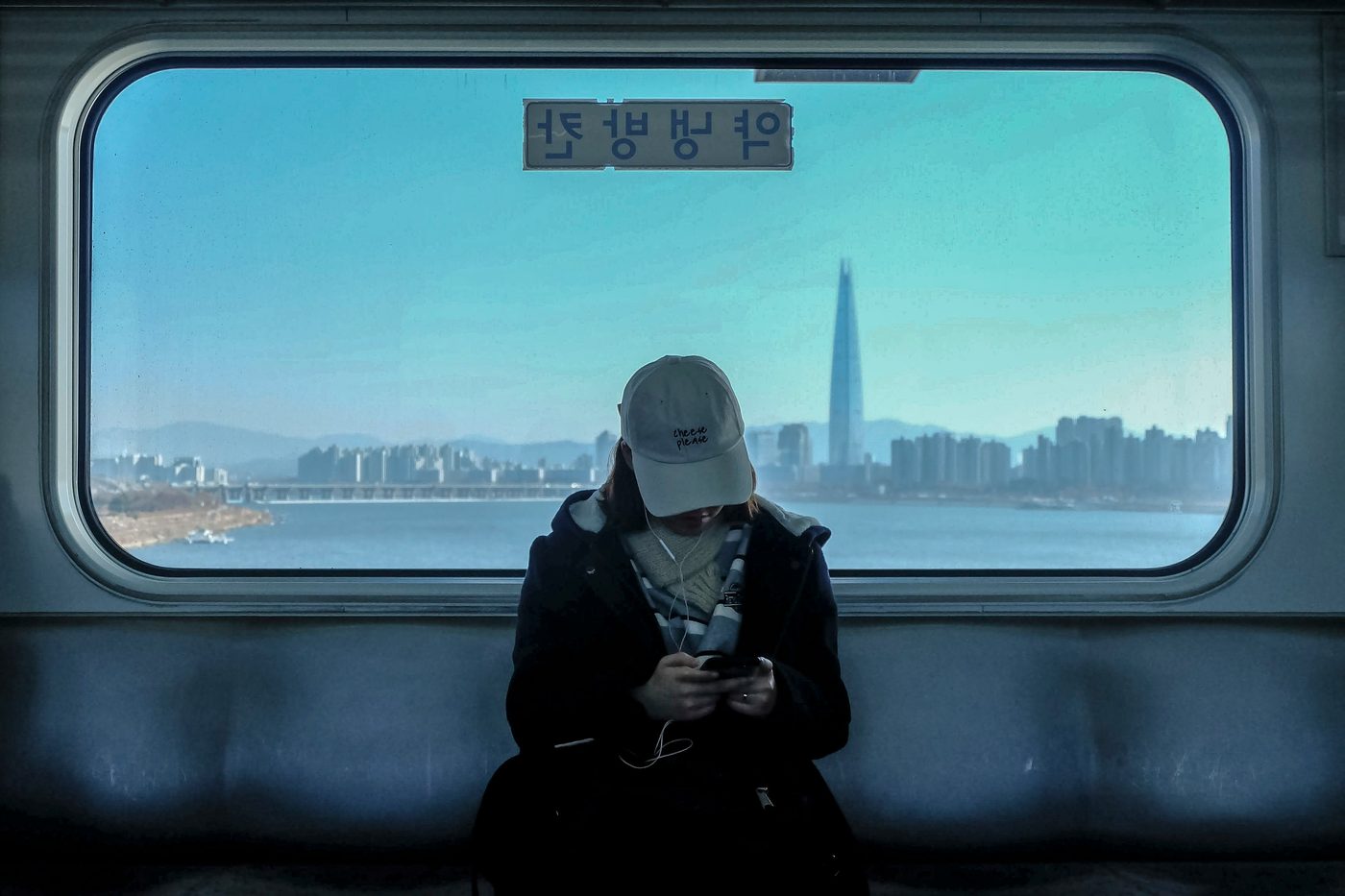
I moved to Korea thinking I was prepared. I had read the blogs, watched the YouTube videos, and saved a list of restaurants. Within 48 hours, I realized most of that preparation was useless because nobody had mentioned the things that actually matter.
This is the list I wish someone had handed me at the airport. Not the obvious stuff like “try kimchi.” The real things that catch first-timers off guard.
1. Google Maps does not work here
This is the single biggest surprise for most visitors. Google Maps shows streets and buildings, but it cannot route transit, walking directions, or driving directions in Korea. The Korean government restricts map data exports for national security reasons (yes, really, because of North Korea).
Download Naver Map before you land. It has an English mode, handles bus and subway routing, and shows real-time arrival info. Kakao Map is the other option, but Naver is more English-friendly. Delete your muscle memory of opening Google Maps. It will lead you in circles.
2. Take your shoes off. Everywhere.
You already know about removing shoes in Korean homes. What nobody mentions is how many restaurants, temples, fitting rooms, and even some offices require it too. If you see shoes lined up at a door, yours come off. If there is a raised floor section, shoes off.
Wear shoes that slip on and off easily. Lace-up boots are a daily annoyance. Keep your socks presentable. You will be showing them to strangers more often than you expect.
3. Nobody tips. Do not try.
There is no tipping culture in Korea. Not at restaurants, not in taxis, not at hair salons, not anywhere. Leaving money on the table after a meal will confuse the server, and they may chase you down the street to return it. The price on the menu is the price you pay. Service is included, and it is almost always good.
4. The spice level is real
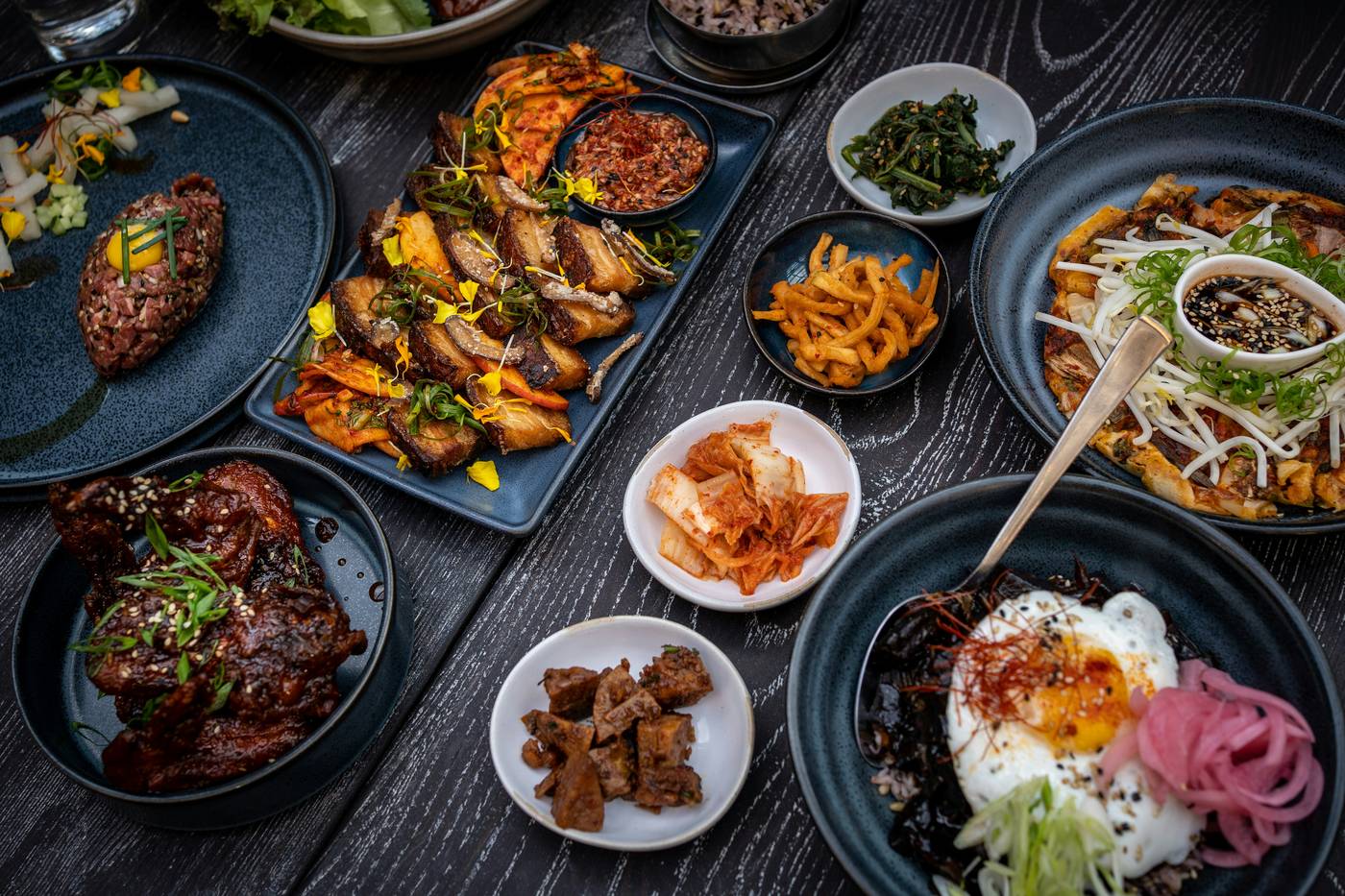
Korean food has a reputation for being spicy, and that reputation is earned. But here is the thing most guides miss: not all Korean food is spicy. Dishes like galbitang (beef rib soup), samgyeopsal (grilled pork belly), kalguksu (knife-cut noodle soup), and japchae (glass noodles) have zero heat.
The problem is that “a little spicy” in Korean (doel mae-wo-yo) is still pretty spicy by most Western standards. If your tolerance is low, say “an mae-wob-ge hae ju-se-yo” (not spicy please). Most restaurants will accommodate, but some dishes, like buldak or jjambbong, are spicy by definition. There is no mild version.
Watch
Korean food you need to try
5. Drinking culture is a whole system
Koreans drink. A lot. South Korea has the highest per-capita alcohol consumption in Asia, and drinking is woven into social and business life. If someone offers you a drink, especially an older person, it is polite to accept at least once.
The etiquette: pour for others (never for yourself), hold the bottle with two hands when pouring for someone older, turn your head away when drinking in front of an elder. None of this will be enforced with tourists, but knowing it earns respect. The main drinks are soju (a clear spirit, 3,000-5,000 KRW per bottle), makgeolli (milky rice wine), and beer. Soju tastes deceptively smooth and sneaks up on you fast.
6. Cafe culture is not what you think
Korea has more cafes per capita than almost any country. But cafes here are not just for coffee. They are workspaces, study halls, date spots, and social spaces where people camp out for hours. Nobody will rush you or give you a look for staying three hours on one Americano (4,500-6,000 KRW).
The variety is wild. Cat cafes, dog cafes, raccoon cafes, board game cafes, comic book cafes (manhwa-bang), even a sheep cafe in Hongdae. Most of the themed ones are fine for a one-time visit. The real gems are the independent specialty coffee shops, especially in Seongsu-dong and Yeonnam-dong.
7. You need KakaoTalk
KakaoTalk is not just a messaging app in Korea. It is the infrastructure. Restaurants use it for reservations, businesses use it for customer service, and friends coordinate everything through it. If someone asks for your “kakao,” they mean your KakaoTalk ID, not your phone number.
Download it, set up an account, and add a profile photo. You will use it more than you expect, especially if you make any local connections.
8. Cards work almost everywhere
Korea is one of the most cashless societies on Earth. Credit and debit cards work at convenience stores, street food stalls, subway ticket machines, taxis, and even some temple entrance fees. I went two full weeks without touching cash.
The exceptions: a few traditional market vendors and very small mom-and-pop restaurants. Carry 30,000-50,000 KRW in cash as backup, but do not bother exchanging large amounts. ATMs at convenience stores (CU, GS25) accept most international cards.
9. Subway etiquette is strict
Seoul's subway is cheap (1,550 KRW base fare with T-money), clean, and efficient. But there are rules. Do not sit in the priority seats at the ends of each car, even if they are empty. They are reserved for elderly, pregnant, and disabled passengers, and you will get stared at or told to move.
Phone calls on the subway are frowned on. Most people text. Keep your voice low if talking to friends. And stand to the right on escalators. The left side is for walking. These are not posted rules. They are just known.
Watch
Getting around Seoul
10. Convenience store meals are legitimately good
GS25, CU, 7-Eleven, and Emart24 are not just snack stops. They sell full meals: triangle kimbap (1,200-1,500 KRW), microwavable bento boxes (3,500-5,000 KRW), instant ramyeon that you can cook with the hot water dispenser in-store, sandwiches, and seasonal items. Many have seating areas.
For breakfast, a triangle kimbap and a banana milk is a 2,500 KRW meal that genuinely hits. Use Woongie when you want a sit-down meal, but do not sleep on the convenience stores for quick, cheap, and surprisingly tasty food.
11. Korea stays up late
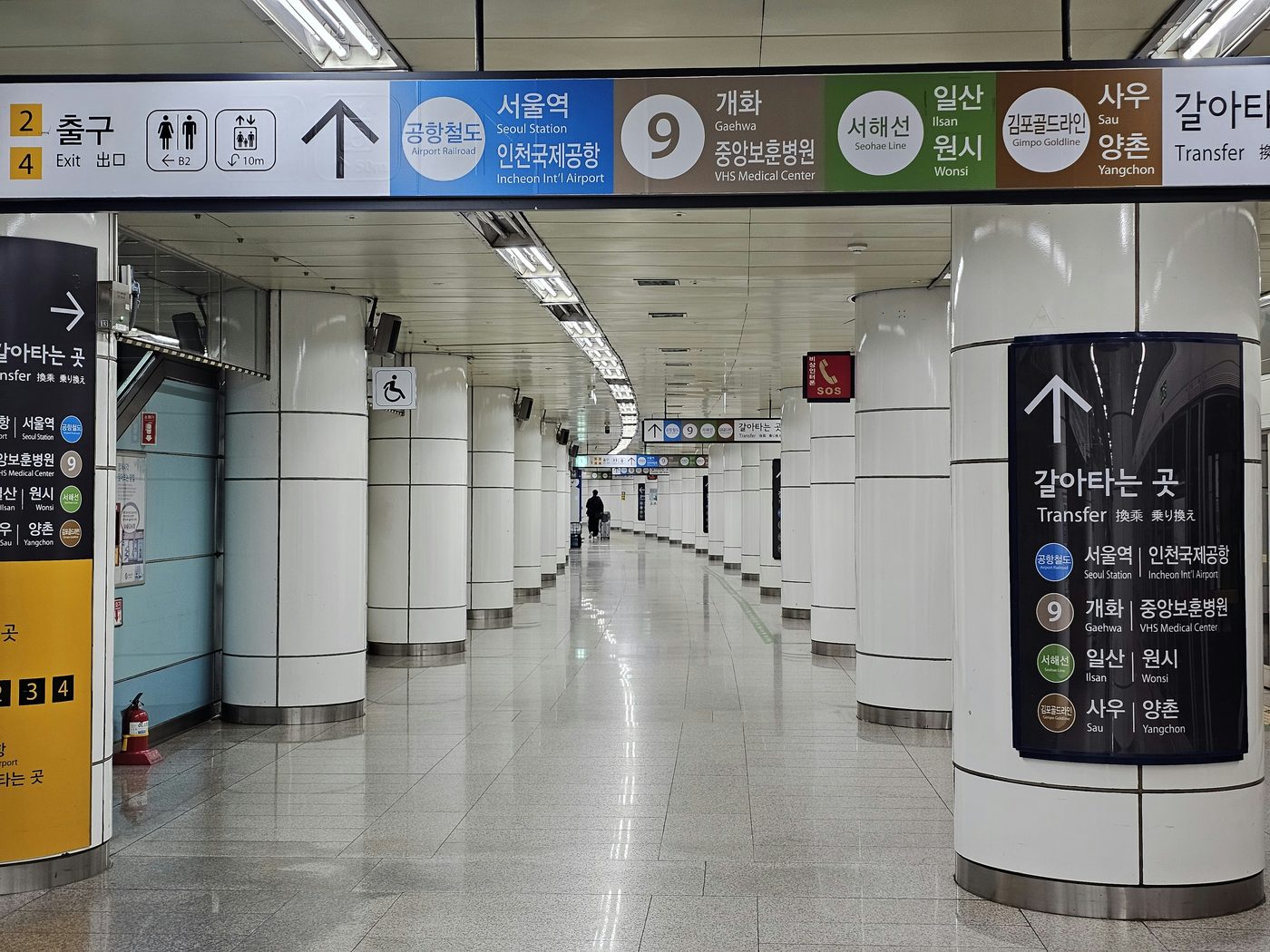
Restaurants serve until 10 or 11 PM. Many run past midnight. Convenience stores are 24/7. Bars and clubs in Hongdae and Itaewon run until 5 or 6 AM on weekends. Jjimjilbangs (Korean saunas/bathhouses) are open 24 hours and double as budget accommodation.
The subway stops around midnight and resumes at 5:30 AM. If you miss the last train, taxis are everywhere. A ride across Seoul rarely costs more than 15,000-20,000 KRW late at night. Use the Kakao T app to hail one (works like Uber, but actually available).
12. It is one of the safest countries you will visit
Violent crime targeting tourists is extremely rare. People leave laptops and bags at cafe tables to hold their spot. Women walk alone at night. Convenience stores are open 24 hours in every neighborhood. Taxi drivers are metered and regulated.
The usual travel common sense applies, but Korea has a level of public safety that surprises most first-time visitors. Lost wallets and phones regularly get turned in at police stations.
13. The language barrier is smaller than you fear
Most young Koreans (under 35) speak some English. Subway stations, airports, and major attractions have English signage. Restaurant menus in tourist areas usually have photos or English translations.
Outside of tourist zones, English drops off fast. But the Papago app (by Naver) handles Korean-English translation better than Google Translate, and it works offline. Learn “annyeonghaseyo” (hello), “gamsahamnida” (thank you), and “igeo juseyo” (this one please). Those three phrases will cover 80% of your daily interactions.
14. The four seasons change everything
Korea has four distinct seasons that dramatically change what the country looks and feels like. Spring (March-May) has cherry blossoms and mild weather. Summer (June-August) is hot, humid, and brings monsoon rains in July. Fall (September-November) has some of the best foliage in Asia. Winter (December-February) drops well below freezing and Seoul gets real snow.
The best months for a first visit are April, May, September, and October. Summer is doable but sweaty. Winter is beautiful but cold enough that it shapes your entire itinerary around indoor activities and heated floors.
15. You will want to come back
This is not a sales pitch. It is a pattern. Korea has a way of getting under your skin. The food alone brings people back. Add in the mix of old and new, the efficiency of everything, the nightlife, the mountains 30 minutes from downtown Seoul, the hot springs, the islands. Most people I know who visited Korea for the first time came back within two years.
Plan your first trip with the assumption that it is a scouting mission. You are not going to see everything, and that is fine. Go deep on a few things instead of racing through a checklist. That is how Korea rewards you.