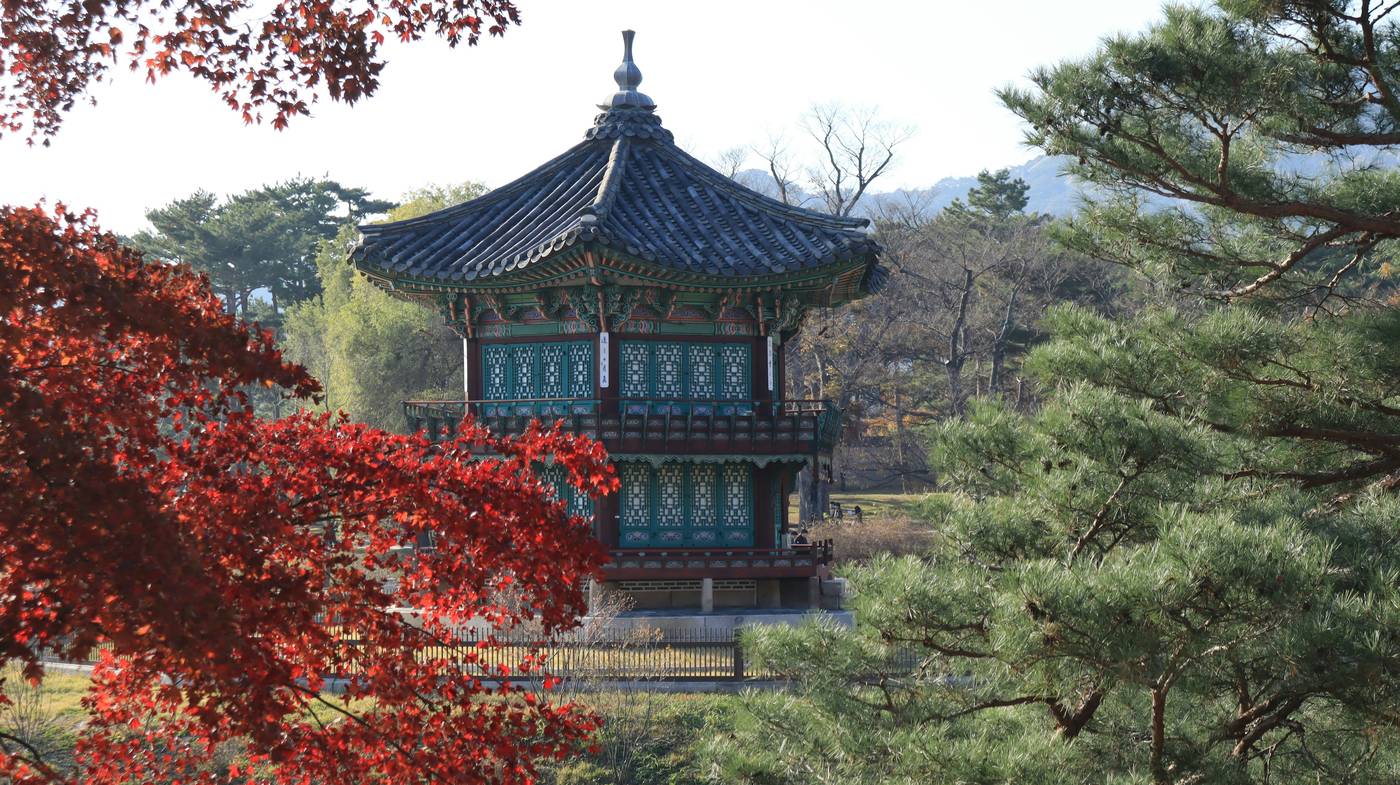
I almost quit at 4:30 AM. It was dark, freezing, and I was standing in a courtyard doing my 47th full-body bow while a monk chanted something I could not understand. My knees hurt. My back hurt. I had slept maybe four hours on a thin mat on a heated stone floor.
By 7 AM, after 108 bows, a silent breakfast, and a walking meditation through the mountains, I felt something I had not felt in months. Calm. Actual, genuine calm. Not the Instagram version. The real thing.
A Korean temple stay is not a spa retreat. It is not relaxing in the way you might expect. But it might be the most memorable thing you do in Korea.
What a Temple Stay Actually Is
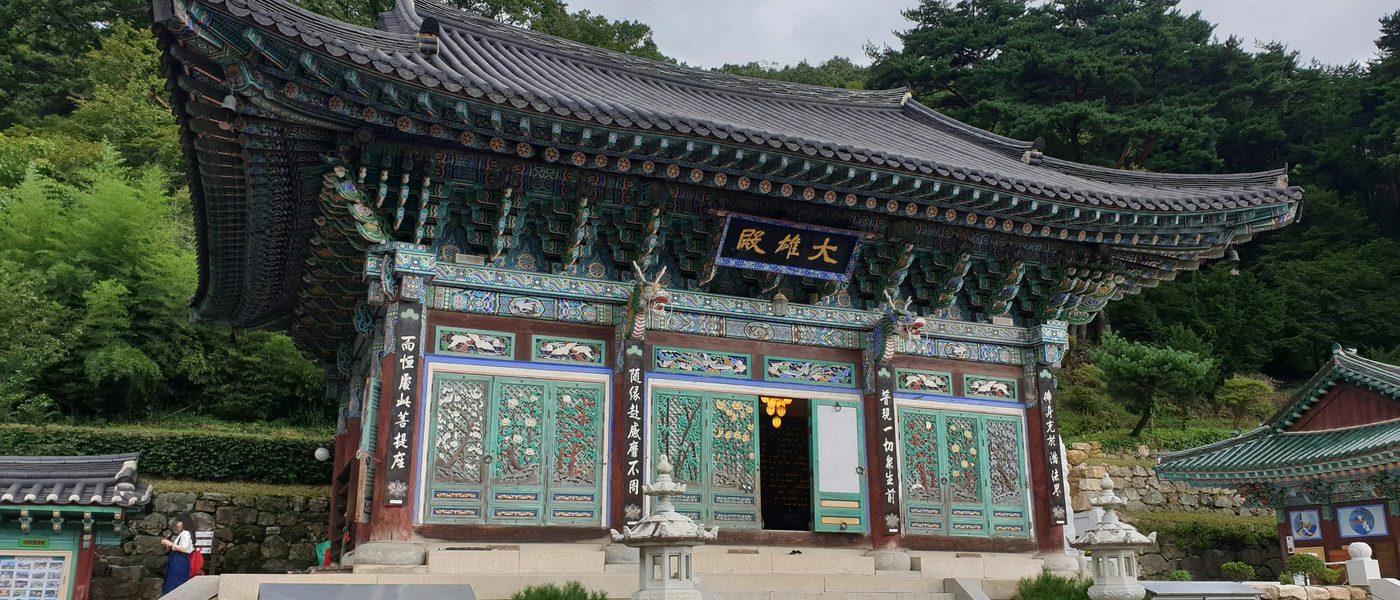
A temple stay (templestay) is a 1 to 2-night program where you live at a working Buddhist temple, follow the monks' daily routine, and participate in traditional practices. The Korean government started promoting temple stays in 2002 as a cultural experience, and over 130 temples across the country now offer programs.
Most programs include: 108 bows (a moving meditation), communal meals of temple food (vegan Buddhist cuisine), tea ceremony, walking meditation, and free time to explore the temple grounds. Some temples add lotus lantern making, calligraphy, or hiking.
The Schedule (Brace Yourself)
Here is what a typical overnight temple stay looks like:
- 3:00 PM: Check in, orientation, change into temple clothes (loose gray or brown pants and a vest)
- 5:30 PM: Evening chanting service at the main hall
- 6:00 PM: Dinner (temple food, eaten in silence)
- 7:30 PM: Evening program (tea ceremony, 108 bows, or lantern making)
- 9:00 PM: Lights out. No phones.
- 4:00 AM: Wake-up bell. Morning chanting.
- 4:30 AM: 108 bows
- 6:00 AM: Breakfast (silent)
- 7:00 AM: Walking meditation or free time
- 10:00 AM: Check out
Yes, you read that right. 4 AM. Non-negotiable. If you are the kind of person who needs nine hours of sleep and a slow morning, this will be a shock. That is also sort of the point.
Best Temples for a Temple Stay
Jogyesa Temple, Seoul
If you want a temple stay without leaving Seoul, Jogyesa is the easiest option. It is in the middle of the city (Jongno district), which means the “mountain temple” atmosphere is not quite there. But the program is well-organized and runs in English regularly. Good for a first-timer who is nervous about the language barrier. 50,000 KRW for an overnight program.
Haeinsa Temple, Hapcheon
This is my top recommendation if you are willing to travel outside Seoul. Haeinsa is a UNESCO World Heritage site in the mountains of Gyeongsang Province. It houses the Tripitaka Koreana (80,000+ wooden printing blocks from the 13th century). The temple is remote, surrounded by forest, and the silence at dawn is something else. 70,000 to 80,000 KRW. About 4 hours from Seoul by bus.
Beomeosa Temple, Busan
If you are visiting Busan, Beomeosa is at the base of Geumjeongsan Mountain. The hike from the temple to the mountain fortress is gorgeous. The temple stay program here is popular with both Koreans and foreigners. 60,000 to 70,000 KRW. Take Line 1 to Beomeosa station and then a short bus ride.
Golgulsa Temple, Gyeongju
This one is unique because it includes Sunmudo, a Korean temple martial art. You do yoga-like exercises and basic martial arts forms as part of the program. It attracts a younger crowd and the vibe is more active than contemplative. 80,000 to 100,000 KRW.
Watch
Temple stay experience
Who Will Love It vs. Who Will Hate It
You will love it if:
- You enjoy quiet, introspective experiences
- You are curious about Buddhism or Korean traditional culture
- You want a break from screens and constant stimulation
- You are a solo traveler looking for a meaningful experience
You might hate it if:
- You cannot handle early mornings (and I mean 4 AM early)
- You need your phone at all times
- You are a very light sleeper (temple floors are hard, rooms are shared)
- You expect a wellness retreat with aromatherapy and robes
I have seen people leave at 6 AM because they could not handle the schedule. That is okay. The temple does not judge. But know what you are signing up for.
Temple Food
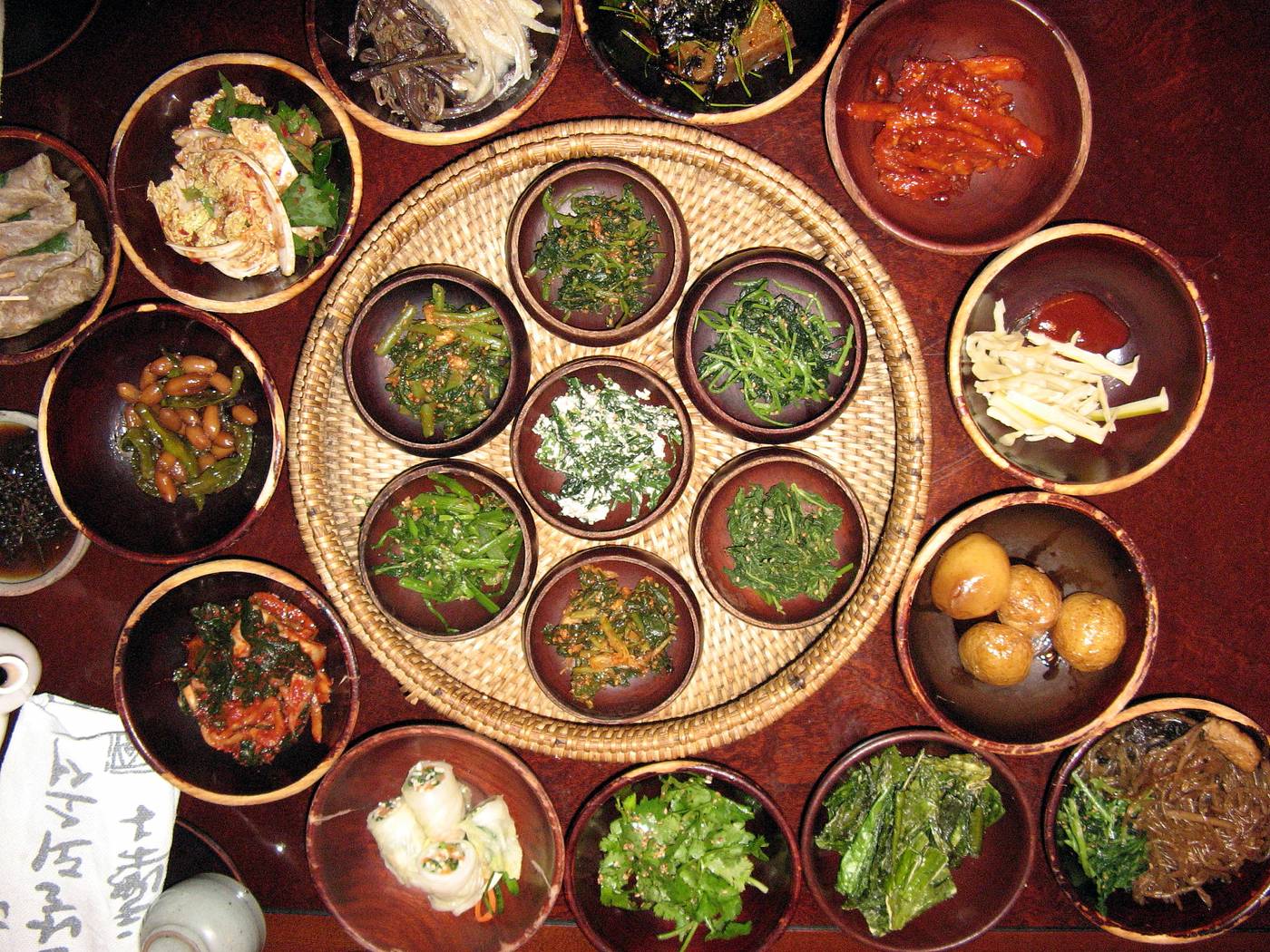
Temple food (sachal eumsik) is entirely plant-based. No meat, no fish, no garlic, no onions, no leeks, no chives. This is traditional Buddhist cuisine and it has its own culinary tradition going back centuries.
The meals are simple but surprisingly good. Rice, seasonal vegetables, pickled radish, tofu, mushroom dishes, and clear soups. Everything is made by the monks or temple volunteers. You eat in silence, and you are expected to finish every grain of rice on your plate.
After the stay, if you want to explore more Korean food, check out Woongie for restaurant recommendations near the temple area. The contrast between temple food silence and a noisy Korean BBQ joint is a cultural experience on its own.
How to Book
Go to templestay.com. It is the official Korean government portal for temple stay programs. The site is in English and you can filter by region, date, and program type. Book at least a week in advance, especially for popular temples like Haeinsa during autumn foliage season.
Most programs cost between 50,000 and 150,000 KRW depending on the temple and program length. Payment is usually by card on the website. Some temples accept walk-ins for their day programs, but overnight stays need a reservation.
What to Bring
- Warm layers. Temples are in the mountains and rooms are not always well-heated. Bring a fleece or thermal layer.
- Thick socks. You are barefoot indoors on stone floors. Warm socks help.
- Toiletries. Most temples provide basics, but bring your own toothbrush and anything specific you need.
- A small flashlight. You are walking around at 4 AM in the dark. Your phone flashlight works if you must, but some temples ask you to leave your phone in your room.
- An open mind. I know that sounds cliche, but seriously. The experience works better if you go in without expectations.
Photography Rules
Most temples allow photography of the grounds, buildings, and nature. You cannot photograph during chanting services, meditation, or meals. Some temples ask you not to photograph the monks without permission. The main halls (where the Buddha statues are) usually allow photos but no flash. When in doubt, ask.
Is It Worth It?
Honestly? It depends on what you came to Korea for. If you want nightlife, shopping, and K-pop, a temple stay will feel like punishment. If you want one experience that you will still be thinking about five years from now, this is it.
For 50,000 to 80,000 KRW, you get a night of accommodation, three meals, a cultural program, and something you cannot buy anywhere else: a few hours of genuine quiet. In a country this busy and this connected, that is worth more than it sounds.