Dating in Korea as a foreigner is not what K-dramas prepared you for. It is not what Reddit threads prepared you for either. The reality sits somewhere between the romantic fantasy and the doom-and-gloom posts, and it varies wildly depending on your gender, race, Korean ability, and where you live.
This guide covers what actually happens when you try to date here. The apps, the cultural expectations, the surprises, and the stuff nobody mentions until you are already confused.
Which Apps Actually Work
Bumble
Bumble is probably the best starting point for foreigners in Korea. The user base skews international-friendly, meaning many Korean users on Bumble are specifically open to dating non-Koreans. Profiles tend to be more detailed, and the women-message-first format filters out a lot of noise.
Noondate (noon)
This is the most popular Korean dating app that most foreigners overlook. It shows you two profiles at noon every day and you pick one. The algorithm is surprisingly good. The catch: the app is mostly in Korean, and you will need decent Korean to hold conversations. But if you are serious about dating Koreans who are not specifically seeking foreigners, this is where they are.
Tinder
Tinder works in Korea, but the experience varies. In Seoul and Busan, the user base is large. In smaller cities, it thins out fast. Be aware that many Korean users on Tinder are looking for language exchange or just curious about foreigners, not necessarily looking for a relationship. Filter accordingly.
Couple Culture: It Is A Whole Thing
Korean couple culture is intense by Western standards, and you should know what you are signing up for.
Matching outfits. Yes, this is real. Couples wear matching shirts, shoes, even phone cases. It sounds corny until your Korean partner looks genuinely hurt that you do not want to wear the matching hoodie they bought. Pick your battles.
Counting days, not months. Koreans celebrate 100 days (백일, baegil), 200 days, 300 days, and every 100 after that. The 100-day mark is a big deal. Forgetting it is roughly equivalent to forgetting an anniversary in Western dating, except it comes much sooner. Mark your calendar.
Couple rings.Many Korean couples exchange matching rings fairly early in the relationship (sometimes within the first few months). This is not an engagement thing. It is a “we are official” thing. Do not panic if your partner brings it up.
Constant communication.Good morning texts, good night texts, meal check-ins (“did you eat?” is basically “I love you” in Korean dating). If you go quiet for a few hours without explanation, expect a follow-up message. This is not clingy by Korean standards. It is normal.
The Pace of Relationships
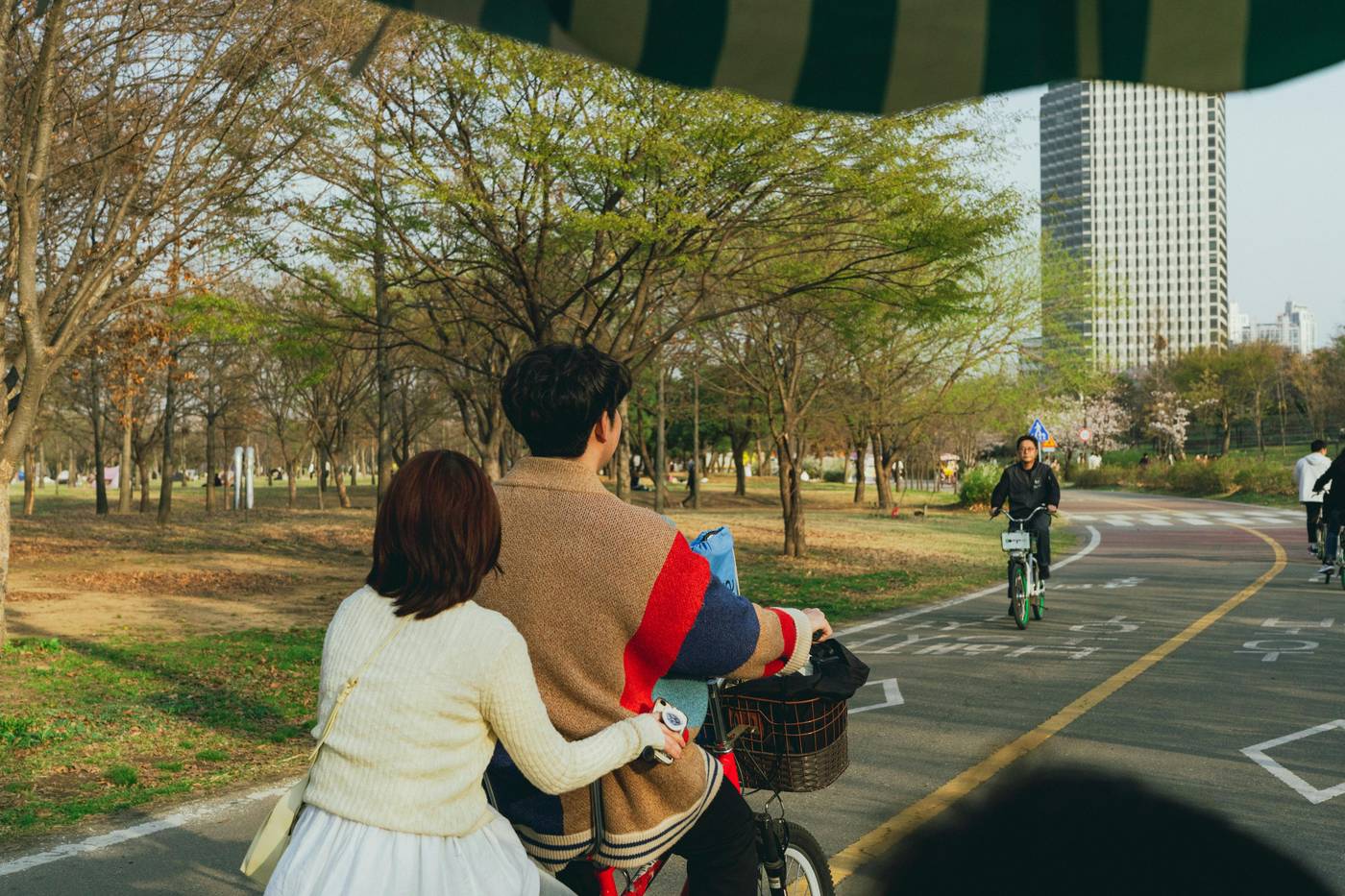
Korean relationships often move faster than Western ones in some ways and slower in others. Exclusivity usually comes early. If you go on three or four dates with someone, the assumption is often that you are now “seeing each other” exclusively. The Western concept of casually dating multiple people simultaneously can cause real hurt if you do not communicate clearly.
Physical intimacy, on the other hand, can progress at a very different pace depending on the person. Some Koreans are quite conservative. Others are not. There is no single rule, but generally speaking, expectations around physical intimacy tend to follow the relationship label. Once you are “official,” things move. Before that, many people prefer to take it slow.
Meeting the Parents
If your Korean partner introduces you to their parents, understand that this is significant. It does not happen casually. Meeting the parents is essentially a signal that this relationship is serious and heading toward marriage.
What to expect: dress conservatively (no ripped jeans, no excessive jewelry), bring a gift (fruit sets or health supplements are safe options, budget 30,000-50,000 KRW), be polite to the point of formality, and eat everything offered to you. Refusing food from Korean parents is a social sin.
The hard truth: some Korean parents are openly opposed to their child dating a foreigner. This is not universal, and it is changing with younger generations, but it is real. If your partner is delaying introducing you to their family, it may not be about you. It may be about the conversation they know they will have to have.
Race and Dating: The Honest Version
This section exists because pretending race does not affect dating in Korea would be dishonest.
Korea is an ethnically homogeneous country that is still early in its experience with multiculturalism. Some Koreans are very open to dating foreigners of any background. Others have strong preferences. And some families have specific biases that they will express bluntly in ways that would be unthinkable in Western countries.
White and light-skinned foreigners generally have an easier time on dating apps in Korea. This is uncomfortable to write and uncomfortable to read, but pretending it is not true does not help anyone. Black, Southeast Asian, and South Asian foreigners often report more challenges, both on apps and with family acceptance.
None of this means you will not find love in Korea regardless of your background. Plenty of people do. But going in with realistic expectations means fewer unpleasant surprises. Focus your energy on spaces where people are genuinely open-minded, and do not waste time trying to convince someone whose mind is already made up.
LGBTQ+ Dating
Korea does not have marriage equality, and same-sex relationships are not widely accepted in mainstream Korean society. That said, there is an active LGBTQ+ community, particularly in Seoul.
Itaewon (specifically the Homo Hill area near the Hamilton Hotel) has been the center of LGBTQ+ nightlife for years, though it has evolved. Apps like Grindr, Scruff, and Jack'd work in Korea. For women, HER has a smaller but active user base.
Most LGBTQ+ Koreans are not out to their families. If you are dating a Korean of the same gender, expect discretion to be important to them, even if you are used to being more open. This is not shame on their part. It is survival in a society that has not caught up yet.
Seoul Queer Culture Festival (usually held in July) is growing every year and is a good place to connect with the community.
Long-Term Relationship Realities
If you are in Korea for more than a year and in a serious relationship with a Korean, here is what you will eventually navigate:
- Language. Even if your partner speaks great English, their parents probably do not. Long-term relationship success in Korea almost always requires learning Korean. Not tourist Korean. Real Korean.
- Holidays. Chuseok and Lunar New Year are family obligations. Your partner will be expected at their family home, and eventually, you will be too. These visits involve cooking, rituals, and extended family. They can be wonderful or overwhelming, depending on the family.
- Marriage pressure. Korean families expect marriage, and they expect it on a timeline. If you are dating someone for more than two years without moving toward marriage, expect increasing questions from their family. This pressure comes from a place of love (usually), but it can strain the relationship.
- Financial expectations. Korean weddings involve significant financial contributions from both families. The groom's family traditionally provides housing, and the bride's family provides furnishings. These expectations are evolving, but money conversations will happen earlier and more openly than you might be used to.
Practical Dating Tips
- Learn at least basic Korean. The dating pool opens up dramatically once you can hold a simple conversation.
- Use Woongie to find great date-night restaurants. Korean dates almost always revolve around food, and choosing a good restaurant matters more here than it does back home.
- Plan the date. Korean dating culture often expects one person (traditionally the man, though this is shifting) to plan everything. Showing up without a plan reads as low effort.
- Splitting the bill is becoming more common among younger Koreans, but many still expect the person who suggested the date to pay for the first few outings. Ask your date what they prefer.
- KakaoTalk is your primary communication channel. Exchanging phone numbers is secondary. If someone gives you their Kakao ID, that is the equivalent of getting their number.
The Bottom Line
Dating in Korea as a foreigner is neither the fairy tale nor the nightmare that the internet makes it out to be. It is just different. The cultural expectations are real, the couple culture is intense (in a mostly endearing way), and building something lasting requires genuine effort to understand and respect how relationships work here.
Go in curious, not entitled. Learn the language. Respect the culture. And remember that the person you are dating is an individual first and a representative of their culture second. That applies everywhere, but it is especially worth remembering when everything around you feels unfamiliar.