Let me save you some time. You can learn to read Korean (Hangul) in a single afternoon. It is genuinely one of the most logical writing systems ever designed. But going from reading menus to having a real conversation? That is where years of your life disappear.
I am not saying this to discourage you. I am saying it because every language app and YouTube channel makes Korean sound like a fun 3-month project, and then people quit when they hit the wall at month four. If you go in with realistic expectations, you are far more likely to stick with it.
TOPIK Levels: What They Actually Mean
TOPIK (Test of Proficiency in Korean) is the official Korean language exam. It has 6 levels across two tests:
- TOPIK I (Levels 1-2): Basic. You can order food, introduce yourself, handle simple transactions. Level 2 is roughly “survival Korean.”
- TOPIK II, Level 3: Intermediate-low. You can have basic conversations about everyday topics. This is where most expats who study consistently for a year land.
- TOPIK II, Level 4: Intermediate-high. You can discuss abstract topics, understand news articles with effort, and function at work in Korean (slowly). This is the level most Korean universities require for admission.
- TOPIK II, Level 5: Advanced. You can participate in professional discussions, understand most TV and movies without subtitles, and argue with your landlord in Korean.
- TOPIK II, Level 6: Near-native. Very few non-heritage learners reach this without years of immersive study.
University Language Programs
If you are serious about learning Korean quickly, university programs are the gold standard. They are intensive (4 hours/day, 5 days/week), structured, and force you to progress at a consistent pace.
SNU KLEC (Seoul National University)
The most prestigious program. 10-week terms, 4 hours of class daily. Tuition is approximately 1,730,000 KRW per term (about $1,280). Competitive admission, especially for the Regular Program. The campus is gorgeous and being surrounded by other serious learners pushes you forward. Downsides: large class sizes (12-15 students) and a somewhat traditional teaching approach.
Yonsei KLI (Korean Language Institute)
Probably the most well-known program among expats. Similar structure to SNU (10-week terms, 4 hours/day). Tuition around 1,820,000 KRW per term. Yonsei's textbooks are used widely across Korea and the program has an excellent reputation. The Sinchon campus location means great food and nightlife nearby.
Ewha Womans University
Open to all genders despite the university name. Strong program with slightly smaller class sizes. Tuition around 1,680,000 KRW per term. Known for a more conversational approach compared to SNU's grammar focus. The campus itself is architecturally stunning.
Sogang University
The dark horse recommendation. Sogang is widely considered the best for conversational Korean. Their methodology emphasizes speaking from day one, while other programs front-load grammar and reading. If your goal is to talk to people (not pass academic exams), Sogang is the move. Tuition around 1,750,000 KRW per term.
Private Academies (Hagwons)
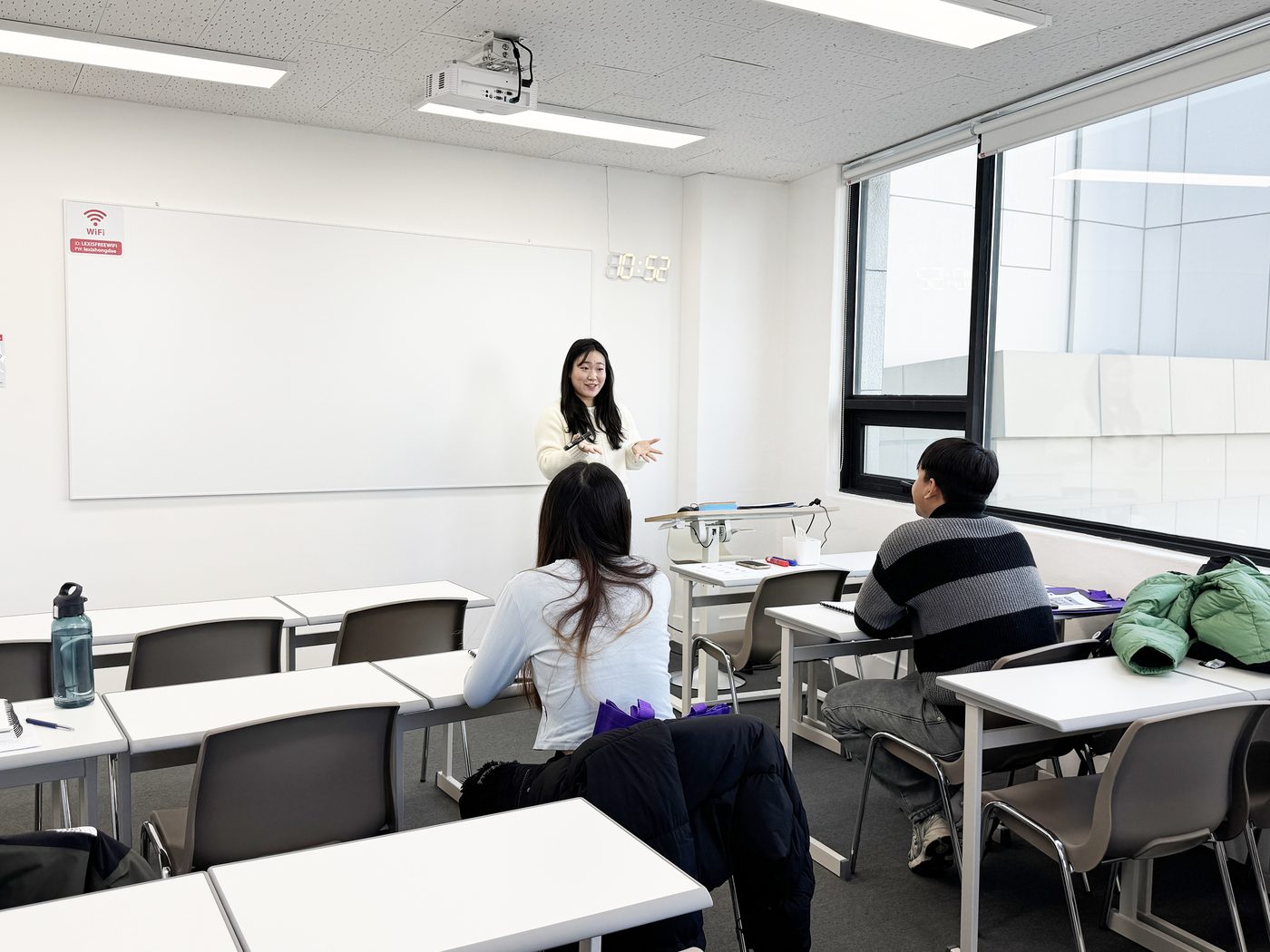
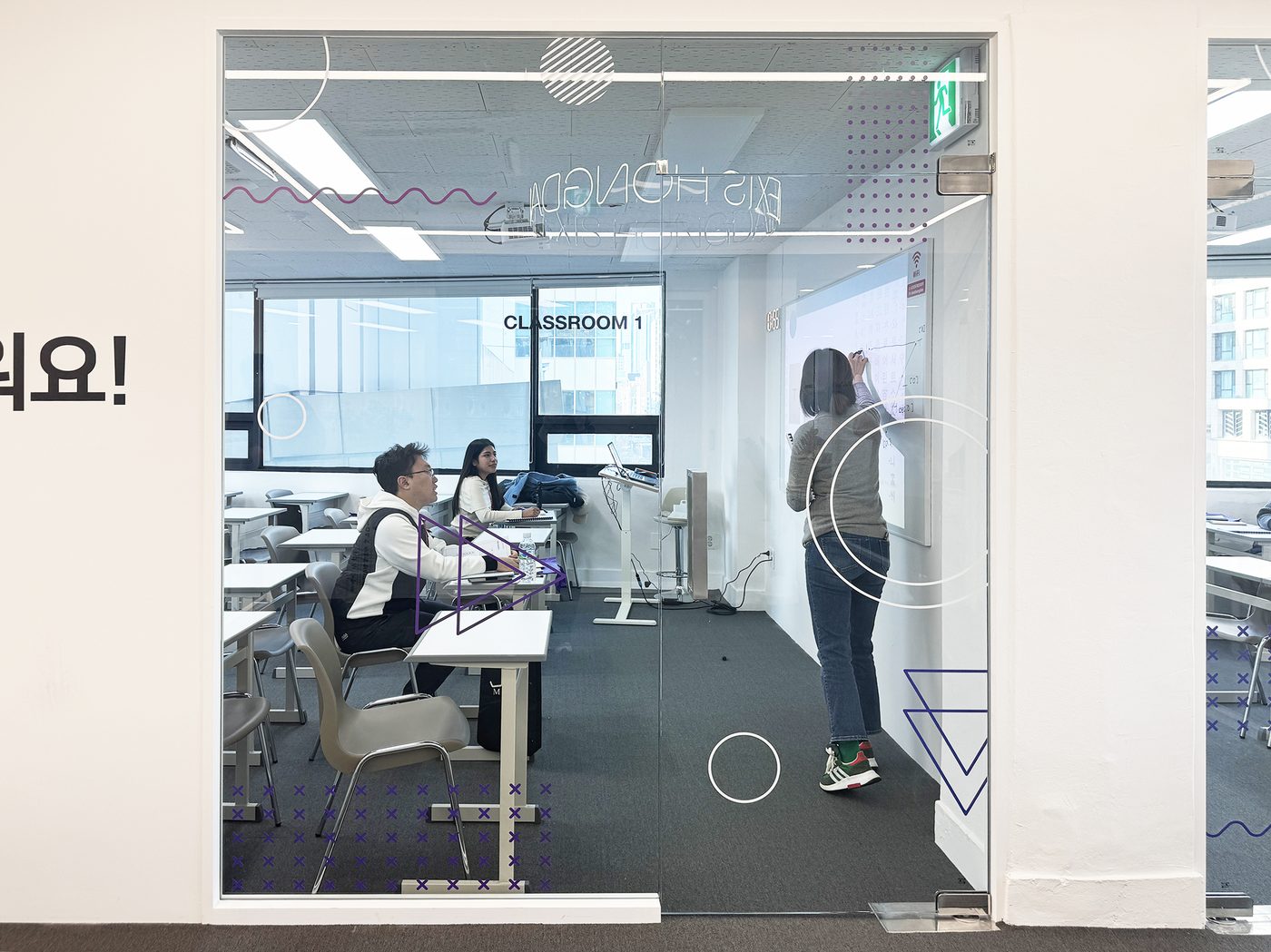
If university programs do not fit your schedule, private language academies offer more flexibility. Classes meet 2-3 times per week, usually in the evenings, and progress is slower but more compatible with a full-time job.
- Lexis Korea: Popular with expats. Good English support. Small classes. Flexible scheduling. Around 1,200,000-1,500,000 KRW for an 8-week intensive course.
- Rolling Korea: Budget-friendly option in Hongdae. Group classes from around 400,000 KRW per month for part-time schedules.
- LTL Language School: Offers both group and private lessons. Known for cultural immersion activities alongside language classes.
Apps and Self-Study Resources
Talk To Me In Korean (TTMIK)
The single best resource for English-speaking Korean learners. Their podcast, textbooks, and online courses are structured brilliantly and the explanations are clear without being condescending. Start with Level 1 and work through systematically. Free podcast episodes cover an enormous amount. Premium content (about $12/month) is worth it once you hit intermediate.
Anki
Not glamorous, not fun, absolutely essential. Anki is a spaced-repetition flashcard app that drills vocabulary into your long-term memory. Download a pre-made Korean deck (the “Korean Vocabulary by Evita” deck is excellent) and do 20-30 cards daily. Fifteen minutes a day on Anki will do more for your vocabulary than hours of passive study.
Pimsleur Korean
Audio-based learning that works well for pronunciation and basic conversational patterns. Good for commuting or working out. Not sufficient on its own, but a strong supplement. The first 5 lessons are usually available for free.
Other Honorable Mentions
- King Sejong Institute: Free Korean classes offered by the Korean government, both online and at institutes worldwide.
- Duolingo Korean: Fine for absolute beginners, but the Korean course is weaker than their European language courses. You will outgrow it quickly.
- HelloTalk: Language exchange app where you text with Korean speakers. Better than traditional language exchanges because it is asynchronous.
Realistic Milestones
Based on consistent study (1-2 hours daily or a full-time program), here is what most adult learners experience:
- Week 1: You can read Hangul. Slowly, but you can decode any Korean text. This feels like a superpower.
- Month 1-2: Basic survival phrases. Ordering food, greeting people, counting, simple directions. You feel like a genius at the convenience store.
- Month 3-4: You hit the wall. Grammar gets complex (particles, verb conjugations, honorifics). Many people quit here. Do not quit here.
- Month 6: Basic conversations are possible. You can chat with a taxi driver, make small talk, and understand the gist of simple conversations around you.
- Year 1: Conversational Korean. You can discuss your life, opinions, and plans. You understand maybe 40-60% of what people say to you in normal speech. Movies and TV are still hard.
- Year 2: TOPIK Level 4 is achievable with consistent study. You can work in a mixed Korean/English environment. Social Korean feels natural for most topics.
- Year 3+: You start thinking in Korean occasionally. Humor clicks. You catch cultural references. TOPIK 5-6 becomes realistic if you are still actively studying.
Language Exchanges: What Works vs. What Wastes Time
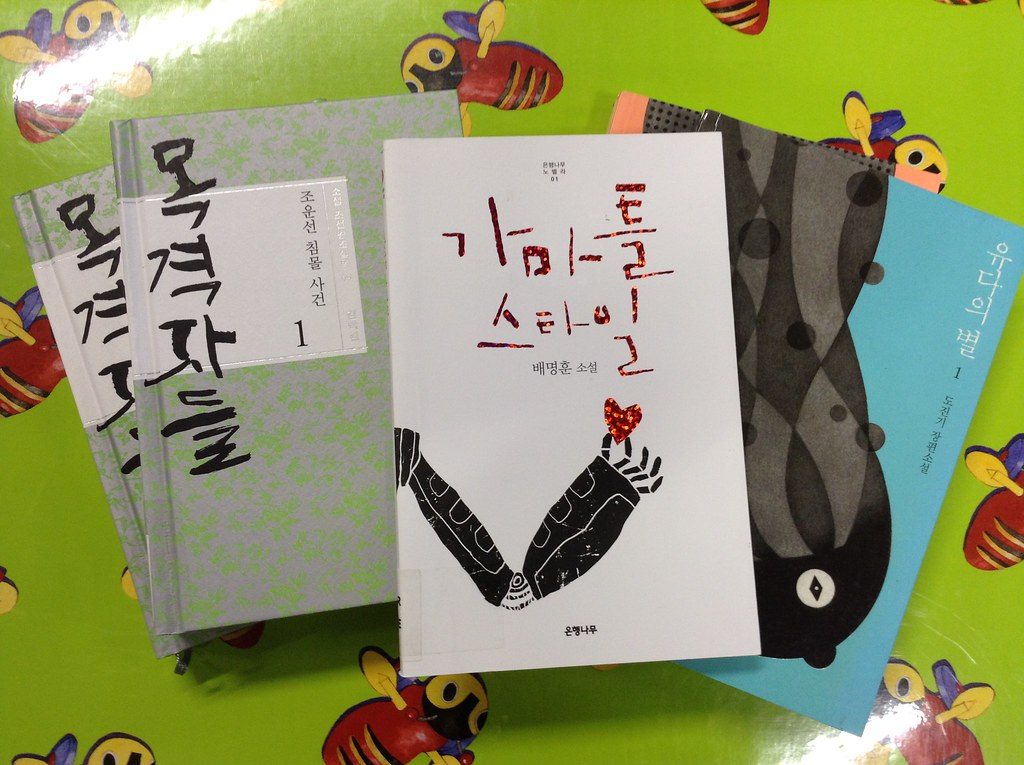
Language exchanges are the most popular free method for practicing Korean. They are also the most commonly wasted opportunity. Here is the difference between ones that work and ones that do not.
What works: Structured exchanges where you genuinely split time 50/50 (30 minutes Korean, 30 minutes English). Meeting the same partner consistently, at least weekly. Doing activities together (cooking, hiking, exploring neighborhoods) so the language practice happens in natural context.
What wastes time: Big group language exchange events at bars. These always devolve into English-only socializing after 20 minutes. One-off meetings with different people every week. Exchanges where your partner only wants free English practice and redirects every conversation to English.
The best language exchanges are the ones that stop feeling like language exchanges and start feeling like friendship. If your exchange partner becomes a real friend, the Korean practice happens organically and you both benefit.
Private Tutors
If you can afford it, a private tutor 2-3 times per week is the fastest way to improve. Rates in Korea range from 30,000-60,000 KRW per hour depending on the tutor's experience and qualifications. Online tutors through platforms like italki or Preply are cheaper (15,000-30,000 KRW/hour) and more flexible.
Find a tutor who actually teaches, not just someone who chats with you in Korean for an hour. Ask about their curriculum, materials, and how they handle grammar explanations. The best tutors adapt to your learning style and push you past your comfort zone.
The Honest Bottom Line
Korean is hard for English speakers. The US Foreign Service Institute ranks it as a Category IV language (the hardest category), estimating 2,200 class hours to reach professional proficiency. That is not a scare tactic. It is context for why you should not feel bad about struggling at month six.
But here is the thing: you do not need professional proficiency to transform your experience in Korea. Even TOPIK Level 2 or 3 changes everything. People treat you differently. Social circles open. Daily life stops feeling like a series of small obstacles. And every Korean person you meet will be genuinely impressed that you are trying, because most foreigners here never get past “annyeonghaseyo.”
Pick a method, set a realistic goal, and show up consistently. That is the whole secret.