I am going to be honest with you. Making genuine Korean friends as a foreigner is one of the hardest parts of living here. Not because Koreans are unfriendly. They are some of the most generous, hospitable people I have ever met. The difficulty is structural, and until you understand how Korean social life actually works, you will keep wondering why your friendships feel surface-level.
This is not one of those “just put yourself out there!” guides. This is the real version, based on three years of trial and error, awkward dinners, and eventually finding people I genuinely care about.
Why Korean Social Circles Close After University
In Korea, most deep friendships form during school. High school classmates, university friends, military service buddies (for men). These bonds are intense and lifelong. By the time someone is 28 or 30, their core friend group is basically locked in.
That does not mean they will not hang out with you. Koreans can be incredibly warm and generous with acquaintances. But there is a real difference between someone who invites you to dinner and someone who calls you at 2 AM when life falls apart. Most expats get stuck in the first category and mistake it for the second.
Understanding this is not depressing. It is freeing. Once you stop expecting every friendly interaction to become a deep friendship, you can appreciate what it actually is and focus your energy on the channels that do produce real connections.
“Friendly” vs. “Actually Your Friend”
Koreans will often say “we should hang out!” or “let's get together soon!” after meeting you once. In Western culture, this is a soft commitment. In Korean culture, it is closer to “I enjoyed meeting you” and carries zero obligation.
Do not take it personally when those plans never materialize. This is normal. The person was being polite and genuinely enjoyed the interaction. They just were not making a friendship pact.
Real friendship signs in Korea look different than what you might be used to. A Korean friend who is actually close to you will: bring you medicine when you are sick without being asked, insist on paying for meals, text you on holidays, and remember small details about your life. The progression is slow, but once you are “in,” the loyalty is remarkable.
What Actually Works: Concrete Channels
Hobby Clubs and Regular Meetups
This is the single best way to make Korean friends. Join something that meets weekly: a hiking club, a running crew, a cooking class, a photography group. The repetition matters. You see the same people, build inside jokes, and gradually become part of the group.
Korean hobby communities are incredibly organized. Check Naver Cafe (Korea's version of forums), KakaoTalk open chat rooms, or Instagram for local groups. Seoul has climbing gyms with regular crews, Han River running clubs, and craft beer tasting groups. Busan has surfing communities. The options are endless if you look beyond English-language platforms.
Church and Religious Communities
Whether or not you are religious, Korean churches (especially the ones with English services) are social powerhouses. They organize small groups, dinners, weekend activities, and trips. The community infrastructure is already built. You just show up.
This is genuinely one of the fastest paths to deep friendships in Korea. Many of the long-term expats I know who have strong Korean friend groups found them through church communities. If you are not religious, some Buddhist temples offer similar community programs.
Sports
Recreational sports leagues are huge in Korea. Futsal, basketball, badminton, and tennis all have amateur leagues and pickup groups. The atmosphere is social, not competitive (usually), and the post-game dinner is where the real bonding happens.
If you play any sport at all, even badly, this is your way in. Koreans respect showing up and trying. Your skill level matters far less than your willingness to be part of the group.
Language Exchange (With Caveats)
Language exchange is the most commonly recommended channel, and it can work, but there are traps. Most language exchange partners are looking for free English practice, not friendship. The interaction stays transactional unless you break out of the structured format.
The ones that do become friendships usually involve doing something together beyond sitting in a cafe trading sentences. Go to a museum, cook dinner, play a sport. If the only thing you do together is language practice, it will probably stay that way.
Hoesik: The Secret “In”
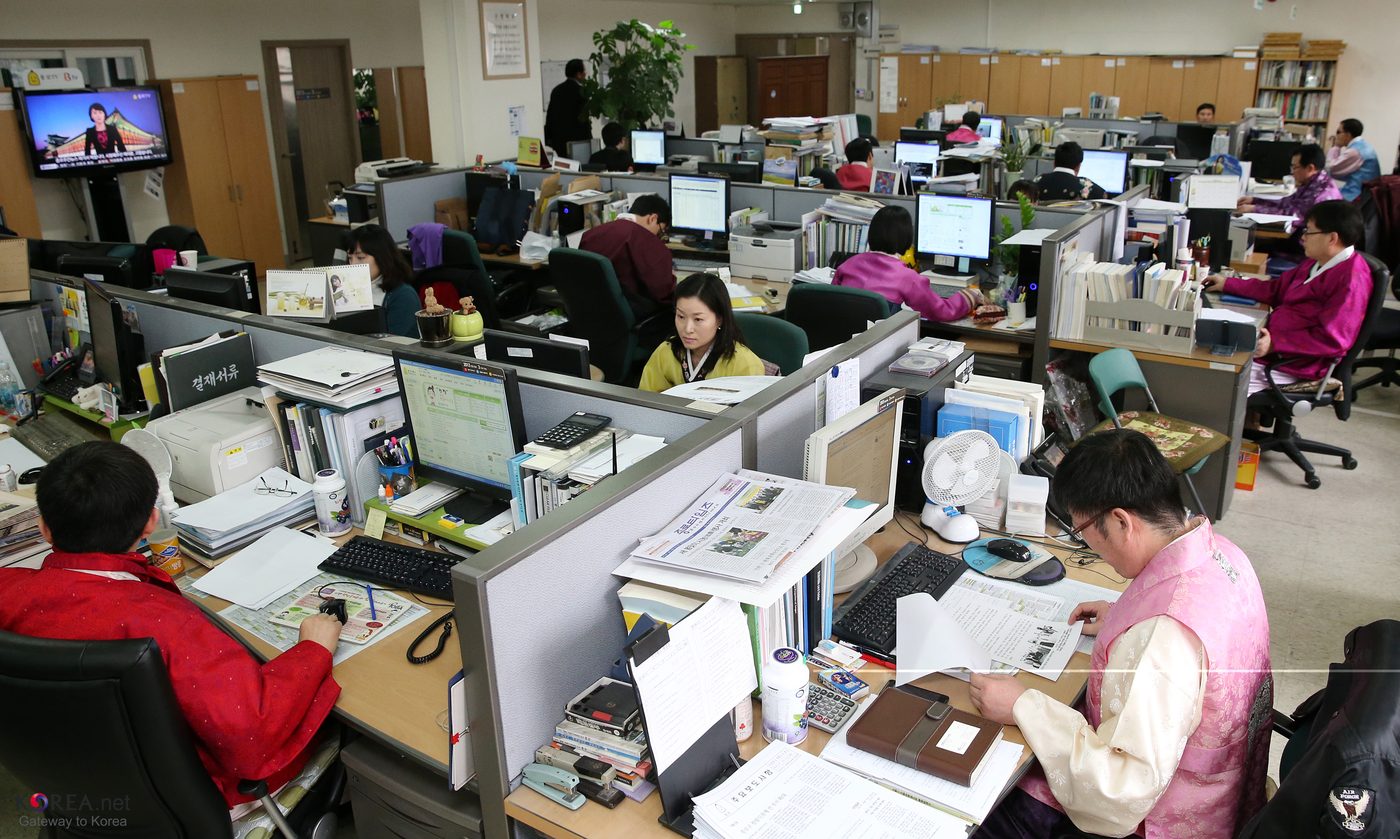
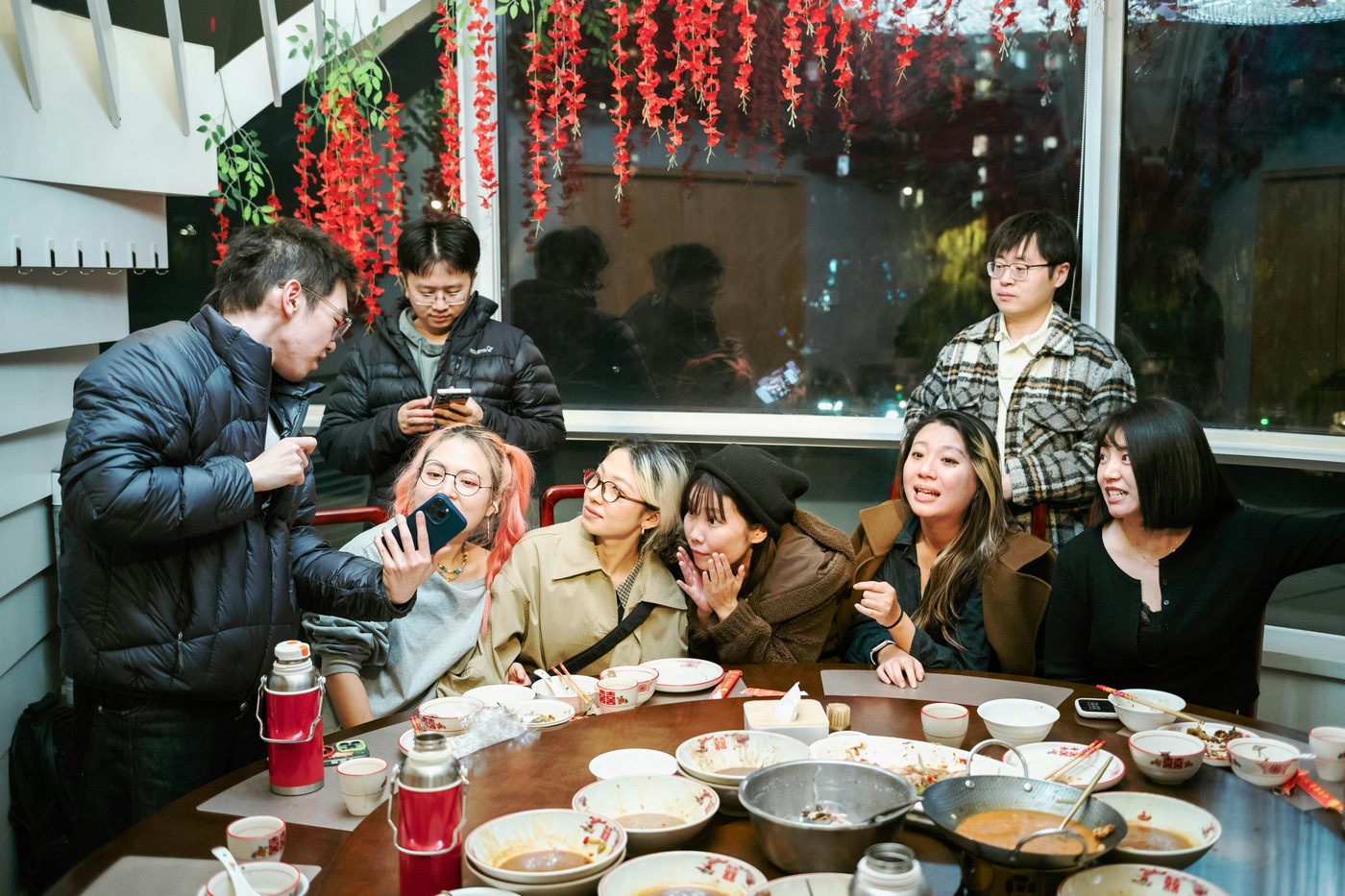
If you work at a Korean company, hoesik (team dinners with drinking) is your golden ticket. Yes, they can be long and the soju flows freely. But this is where Koreans actually open up. The hierarchy relaxes, people share real opinions, and bonds form that carry over into the workplace and beyond.
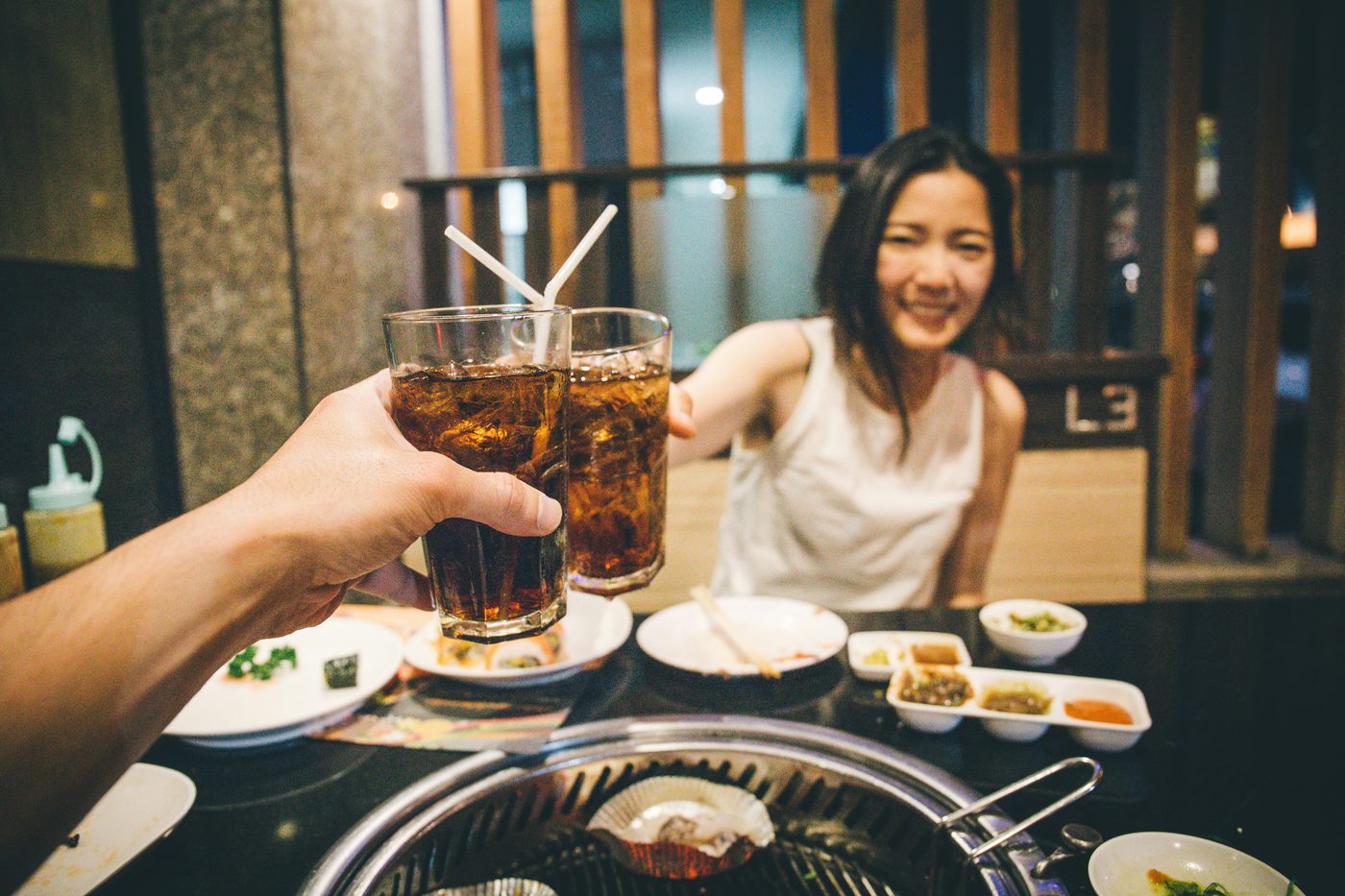
Even if you do not drink, attend the hoesik. Order a soda. Be present. The act of showing up and staying matters more than what is in your glass. Leaving early signals that you do not value the group, even if that is not your intention.
The Expat Bubble: It Is Fine at First
Some people will tell you to avoid the expat bubble. I disagree, at least for your first year. Your fellow expats understand what you are going through in a way that even the nicest Korean friend cannot fully relate to. Culture shock, homesickness, bureaucratic nightmares, the loneliness of not understanding conversations around you.
Having a few expat friends keeps you sane while you slowly build Korean friendships. The mistake is staying only in the bubble. Use it as a base camp, not a permanent residence. After a year, you should be branching out. After two years, your social life should be a healthy mix.
Realistic Timeline
Here is what an honest timeline looks like for building genuine Korean friendships:
- Months 1-3: You meet lots of people. Everyone is friendly. Nothing sticks yet. This is normal.
- Months 3-6: You start seeing the same people regularly through a club, class, or workplace. Some acquaintances form.
- Months 6-12: A few people start inviting you to things outside the original context. This is the breakthrough.
- Months 12-18: Real friendships solidify. You have people you can call when plans fall through on a Saturday night.
Is 6-18 months slow? Yes. Is it worth it? Absolutely. Korean friendships, once they are real, are some of the most loyal and generous relationships you will ever have.
Small Things That Make a Big Difference
- Learn Korean. Even basic conversational Korean changes everything. People relax around you. Conversations go deeper. You stop being the “foreigner who needs English.”
- Remember birthdays. Koreans take birthdays seriously. A small gift or a KakaoTalk message on someone's birthday goes further than you think.
- Bring food when you visit. Show up to someone's house empty-handed and you have already made a social error. Fruit, bread, or pastries from a nice bakery are safe choices.
- Use KakaoTalk. If you are not on KakaoTalk, you do not exist socially in Korea. Download it on day one.
- Be consistent. Show up to the same places, the same group, the same events. Consistency is how trust builds here.
The Honest Bottom Line
Making Korean friends as an expat requires patience, persistence, and a willingness to adapt your social expectations. It will not happen at the same pace as back home. But the friendships you build here, the ones that survive the slow Korean warm-up period, will be some of the most meaningful of your life.
Stop looking for instant best friends. Start showing up consistently to things you actually enjoy. Be patient with the process. And for the love of everything, download KakaoTalk.