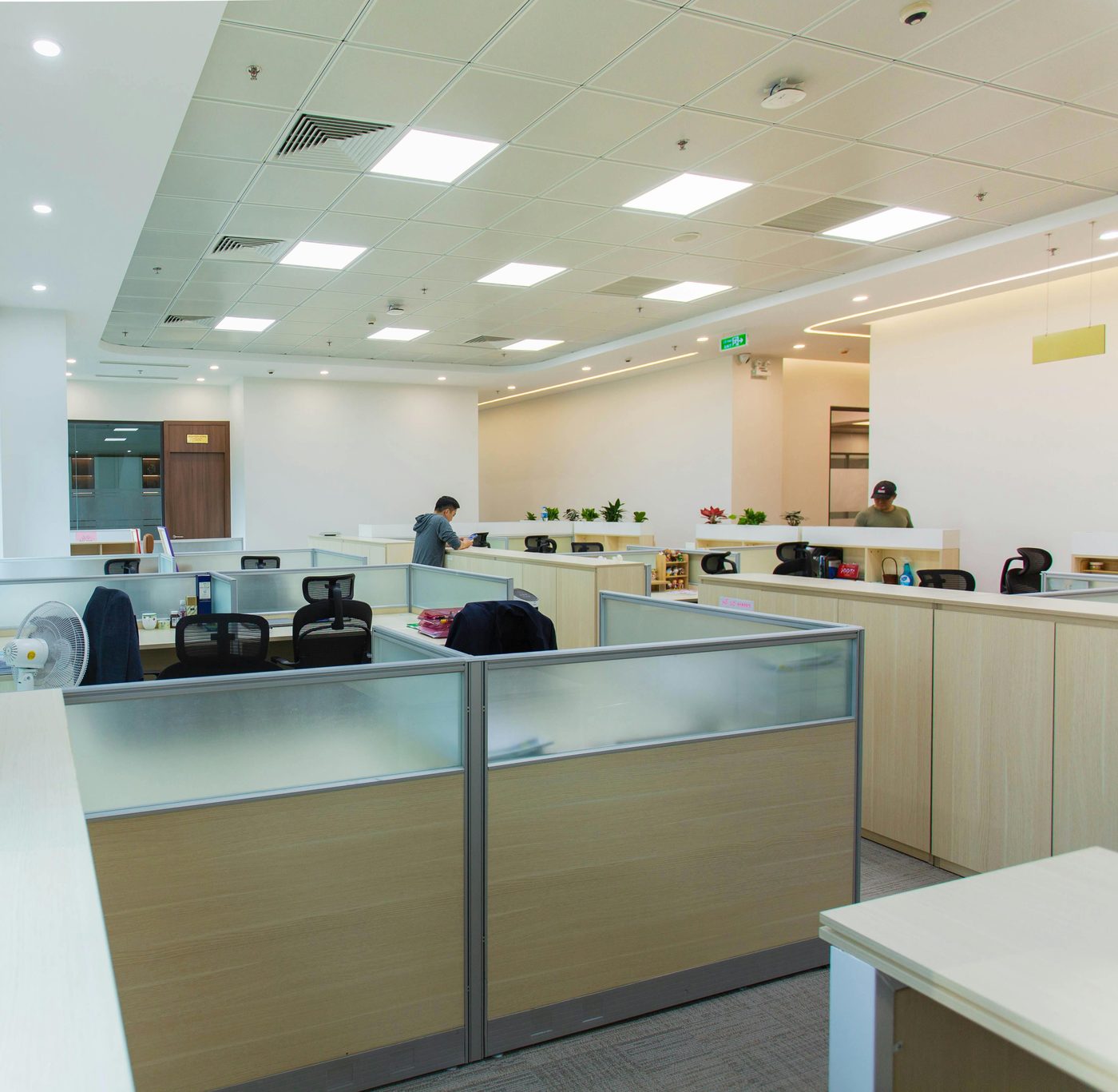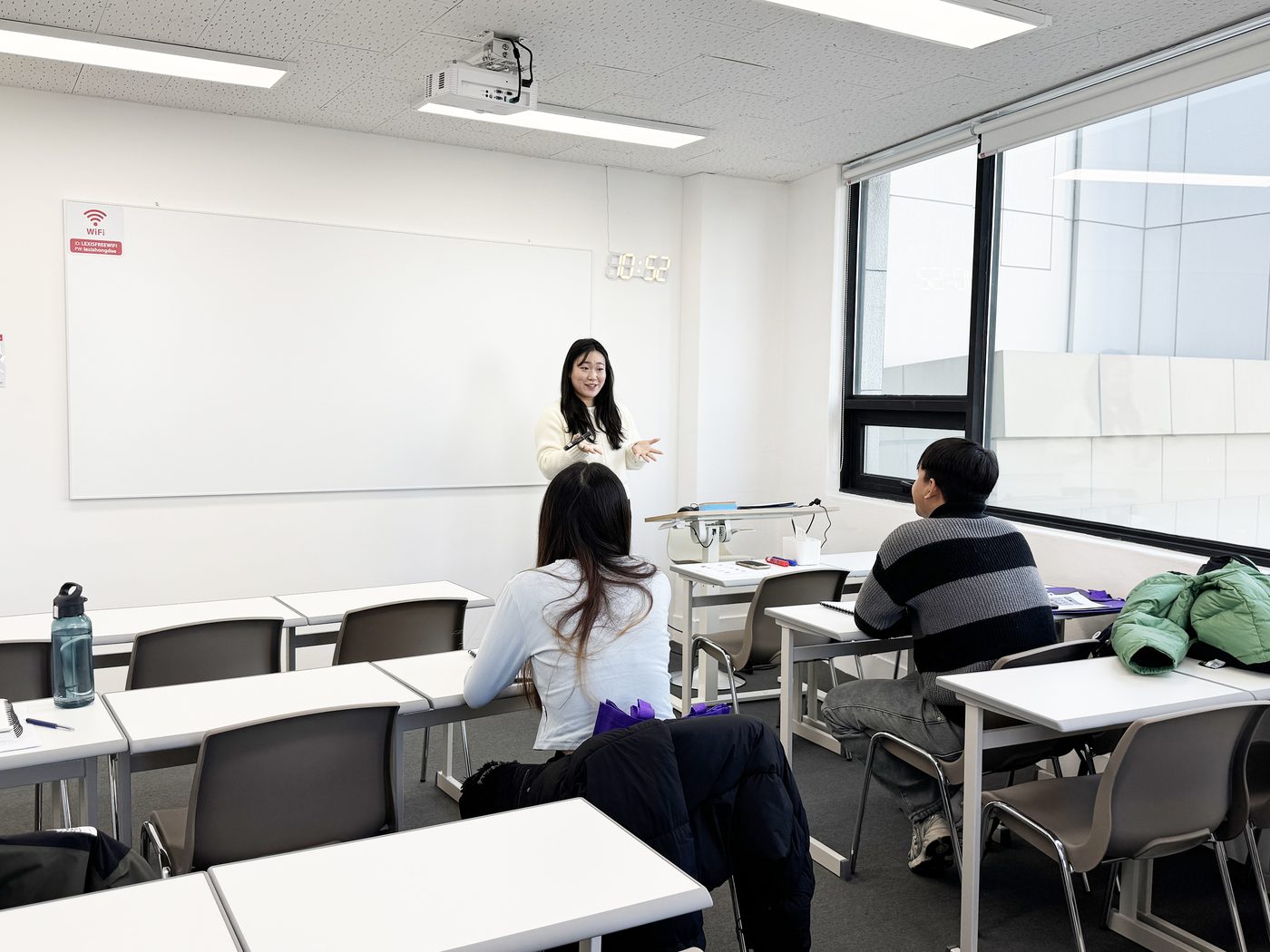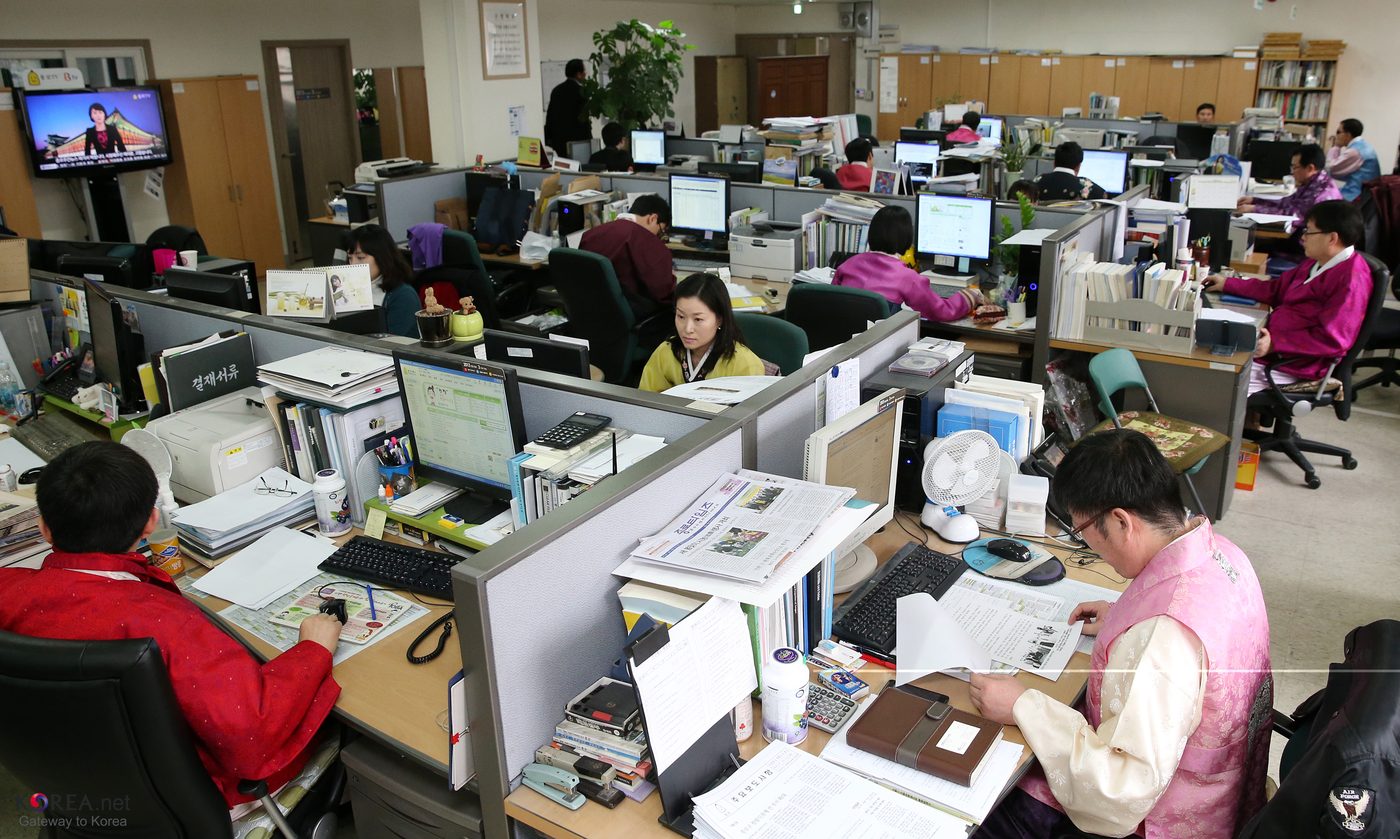
Your Korean company will hand you an employee handbook that covers vacation days, health insurance, and the office coffee machine. What it will not cover is the invisible operating system that actually runs the workplace. The hierarchy, the communication norms, the social obligations that determine whether you are seen as a team player or an outsider.
I spent my first three months at a Korean company making mistakes nobody told me were mistakes. This guide is everything I wish someone had handed me on day one.
Hierarchy Is Not Optional
Korean workplace hierarchy is built on age and seniority, and it affects everything. How you speak, who you speak to, when you speak, where you sit at lunch, and who leaves the office first.
This is not a suggestion. It is the foundation of Korean professional culture. Even at “flat” startups that claim to have no hierarchy, the age-based social dynamics are still operating underneath the surface. They just use first names instead of titles while still expecting the same deference.
Titles and How to Address People
Korean corporate titles follow a standard progression:
- 사원 (sawon): Staff/entry-level
- 대리 (daeri): Assistant manager (3-5 years)
- 과장 (gwajang): Manager (5-8 years)
- 차장 (chajang): Deputy general manager (8-12 years)
- 부장 (bujang): General manager/department head
- 이사 (isa): Director
- 상무 (sangmu): Managing director
- 전무 (jeonmu): Senior managing director
- 대표 (daepyo): CEO/Representative
Address people by their title + 님 (nim, honorific). So your manager Kim would be “Kim gwajang-nim” (김 과장님). Never use first names with someone senior to you unless they explicitly and repeatedly ask you to. Even then, many Koreans feel uncomfortable when a junior uses their first name.
If you are not sure of someone's title, use their last name + 님 (Kim-nim, Park-nim). This is safe and respectful in any situation.
Meeting Culture: Never Disagree Publicly
This is the rule that Western workers struggle with most. In Korean meetings, the senior person's opinion is rarely challenged directly. If a 부장 (bujang) proposes an idea in a meeting, the team will nod, take notes, and express agreement. Disagreement happens afterward, privately, often through a intermediary.
If you stand up in a meeting and say “I think that approach is wrong, here is why,” you have not demonstrated critical thinking. You have publicly embarrassed a senior colleague. The idea might be objectively terrible. It does not matter. The venue is wrong.
How to actually disagree:Approach the person privately after the meeting. Frame your disagreement as a question or a concern, not a correction. “I was thinking about the timeline you mentioned, and I had some concerns about X. Could we discuss it?” This preserves their face (체면, chaemyeon) while still getting your point across.
Overtime: The 52-Hour Cap vs. Reality
Korea implemented a 52-hour workweek cap in 2018, and it has genuinely reduced extreme overwork at large companies. On paper, you work 40 hours plus a maximum of 12 hours overtime.
In practice, the culture of staying late has not fully disappeared. At many companies, leaving before your boss leaves is still socially risky. The clock might say 6 PM, but if your team lead is still at their desk, the implicit expectation is that you are too.
This is changing, especially at tech companies, foreign-invested firms, and startups. But at traditional Korean corporations (chaebols and their subsidiaries), the “face time” culture persists. You will need to calibrate based on your specific workplace.
Hoesik Attendance
We cover hoesik in detail in our alcohol culture guide, but here is the workplace-specific version: hoesik is where relationships are built, and relationships determine your career trajectory at a Korean company.
The people who get promoted at Korean companies are not always the most talented. They are often the most connected. Hoesik is where those connections form. Your boss opens up over soju in a way they never will in a conference room. Your coworker reveals the political dynamics of the team. The quiet guy from accounting turns out to be hilarious.
You do not need to drink. You do not need to stay until 2 AM. But you should show up, especially for the first few months. Consistently skipping hoesik tells your Korean colleagues that you do not value the team, even if you are just tired.
The MZ Generation Is Changing Things
If you are entering the Korean workforce in 2026, you are arriving at an inflection point. The MZ generation (밀레니얼 + Z세대) is actively rejecting many traditional workplace norms:
- Work-life balance: Younger Koreans prioritize personal time in ways their parents never did. “워라밸” (work-life balance) is a mainstream value now, not a fringe idea.
- Job hopping: Lifetime employment at one company is no longer the expectation. Changing jobs every 2-3 years is normal for younger workers.
- Direct communication: Younger Korean workers are more willing to express opinions and push back (gently) on unreasonable requests.
- Anti-hoesik sentiment: Many younger Koreans openly dislike mandatory work dinners and are pushing for them to be truly optional.
The gap between MZ expectations and boomer management styles creates real tension at many Korean workplaces. As a foreigner, you are somewhat outside this generational conflict, which can be an advantage. You can build relationships with both sides without being locked into either camp.
How to Push Back Without Burning Bridges
There will be moments when Korean workplace culture conflicts with your values or your sanity. An unreasonable deadline. A request to stay late for no productive reason. A meeting that should have been an email. Here is how to push back without destroying your reputation:
- Never push back publicly. Always private conversations. Always.
- Frame it as a question, not a demand. “Could I suggest an alternative approach?” works. “I am not doing that” does not.
- Find an ally. Identify a Korean colleague who understands both cultures and can advise you on how to navigate specific situations.
- Pick your battles. You cannot change Korean workplace culture by yourself. Focus on the things that genuinely affect your work and wellbeing, and let the small stuff go.
- Deliver results. Nothing buys you more social capital at a Korean company than competence. If you are clearly good at your job, people will tolerate some cultural differences.

Communication Style: Indirect vs. Direct
Korean workplace communication is often indirect, especially when the message is negative. “That might be difficult” often means “no.” “We should think about that more” can mean “that idea is not going to happen.” “I will try my best” sometimes means “I cannot do this but I do not want to refuse directly.”
Learning to read between the lines is essential. When a Korean colleague seems to agree enthusiastically but nothing happens afterward, they probably disagreed but did not feel comfortable saying so. Follow up privately and create space for honest feedback.
Email and KakaoTalk (yes, many Korean companies use KakaoTalk for work communication) follow different formality levels. Emails to senior staff should use formal Korean or formal English. KakaoTalk messages to peers can be more casual, but never send your boss a casual chat message unless they set that tone first.
Lunch with the Team: Not Optional
At most Korean companies, the team eats lunch together. Every day. This is not a suggestion or a nice-to-have. It is a core team-building activity. Eating alone at your desk is seen as antisocial and raises questions about whether you fit in.
The team usually decides collectively where to eat, often deferring to the senior member. Lunch costs 8,000-12,000 KRW at most restaurants near office areas. Some companies subsidize lunch or have cafeterias. Use Woongie to suggest new restaurants to the team. Being the person who finds good lunch spots is a legitimate social advantage.
If you need alone time (and you will, especially as an introvert in a collectivist work culture), take it during coffee breaks or after-hours. Lunch is team time.
Dress Code
Korean offices tend to be more formally dressed than their Western counterparts, though this is shifting. General guidelines:
- Traditional companies (finance, law, manufacturing): Suits or business formal. Men in ties, women in structured outfits. No exceptions.
- Tech and startups: Smart casual. Clean jeans, collared shirts, neat sneakers are usually fine. No shorts, no flip-flops.
- Foreign companies in Korea: Usually match their global dress code, which tends to be more relaxed.
When in doubt, overdress for your first week and calibrate from there. Koreans notice clothing and grooming more than many Western cultures do. Looking put-together signals professionalism and respect for the workplace.
The Unwritten Rules Summary
- Arrive before your boss. Leave after your boss (at least initially).
- Always accept a drink or snack offered by a senior colleague, even if you just take a sip.
- Use two hands when giving or receiving anything (business cards, documents, drinks) from someone senior.
- Do not call in sick unless you are genuinely very ill. Korea has a lower threshold for what counts as “too sick to work” than most Western countries.
- Say good morning (출근했습니다, chulgeun haetseumnida) to the team when you arrive.
- Thank the team when you leave (먼저 가겠습니다, meonjeo gagetseumnida, “I will leave first”). This phrase acknowledges that others are still working.
- Do not eat smelly food at your desk. Open-plan offices are the norm, and Korean colleagues will notice.
The Bottom Line
Korean workplace culture is intense. The hierarchy is real, the social obligations are constant, and the learning curve for foreigners is steep. But it is not impenetrable, and the people who thrive are the ones who approach it with curiosity instead of resistance.
You do not need to become Korean. You need to understand the system well enough to operate within it while staying true to who you are. Show respect for the culture, deliver excellent work, build genuine relationships, and give yourself grace when you inevitably make mistakes. Everyone does. The Koreans who have worked with foreigners before know that, and they are more forgiving than you think.