.jpg?op=243f84)
Cherry blossom season in Korea is beautiful. It is also stressful to plan around, because the exact timing shifts every year depending on winter temperatures, and the peak bloom window in any given city is about 7-10 days. Miss it by a week and you are looking at bare branches or petals on the ground.
I have seen visitors fly in specifically for cherry blossoms, arrive three days late, and spend their trip photographing half-empty trees. This guide is about avoiding that. Here is how the timing works, where to go, and how to build a trip that works even if the blossoms do not cooperate.
When Do Cherry Blossoms Bloom in Korea?
Cherry blossoms move north through Korea over about three weeks. The general pattern:
- Jeju Island: Late March (typically March 20-28)
- Busan and the southern coast: Late March to early April (March 25-April 5)
- Jinhae: Late March to early April (the biggest festival runs around April 1)
- Gyeongju: Early April (April 1-8)
- Seoul: Early to mid-April (April 5-15)
- Chuncheon and further north: Mid-April (April 10-18)
These dates shift by up to a week in either direction depending on the year. A warm February pushes everything earlier. A cold March delays it. The Korea Meteorological Administration releases an official forecast in early March with predicted dates. Check it before booking flights.
Best Cherry Blossom Spots in Seoul
Yeouido (Yeouiseo-ro)
The most famous cherry blossom street in Seoul. About 1,800 cherry trees line both sides of Yeouiseo-ro behind the National Assembly. During peak bloom, the trees form a tunnel of white-pink petals that is genuinely as good as the photos suggest.
The Seoul Spring Flower Festival runs here during bloom week. The street closes to cars, food vendors set up, and the whole strip becomes a walking promenade. It gets crowded. Very crowded. Go on a weekday morning if possible. Weekend afternoons are shoulder-to-shoulder.
How to get there: Yeouinaru Station (Line 5), Exit 1. Walk toward the river.
Seokchon Lake
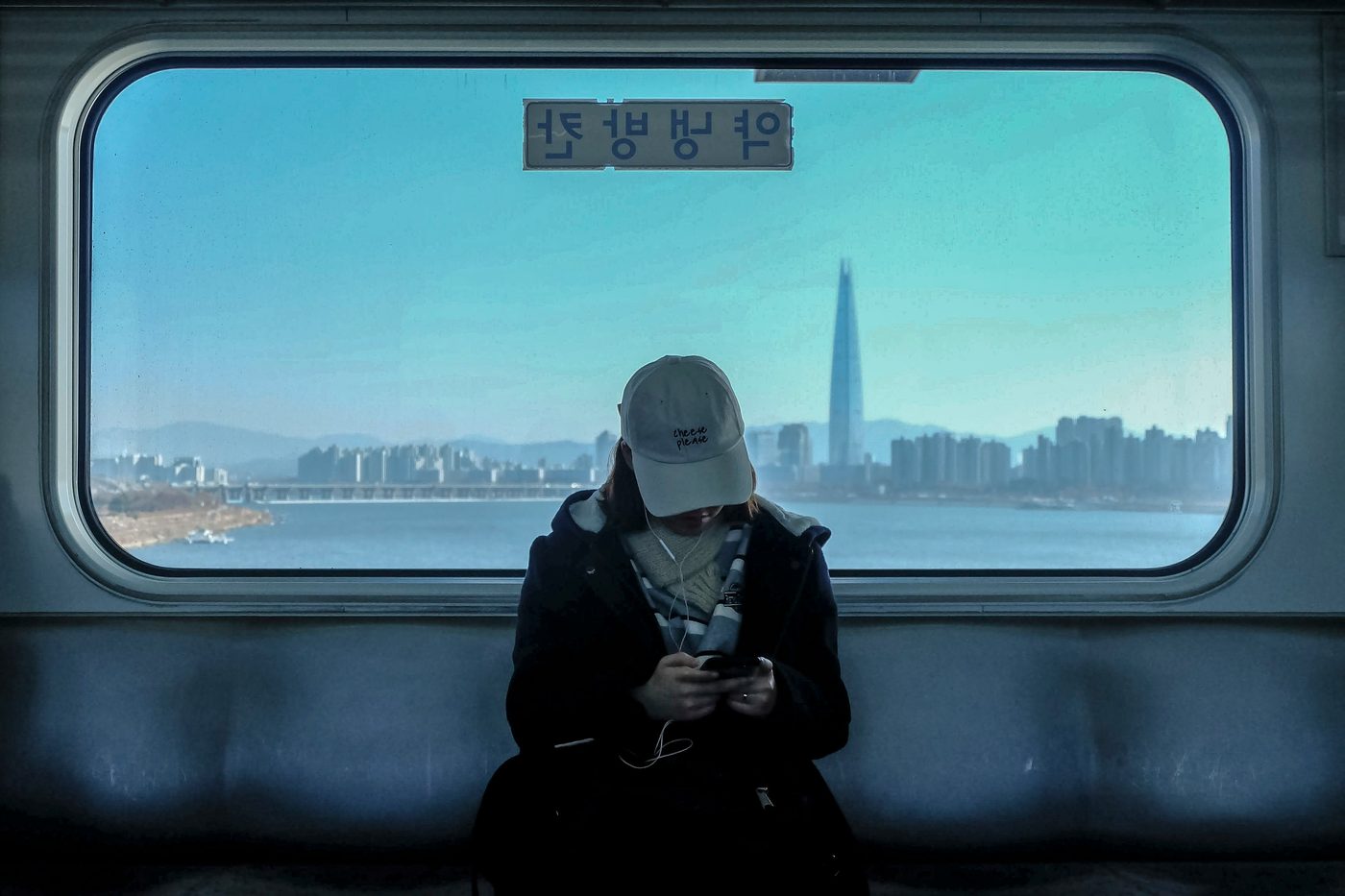
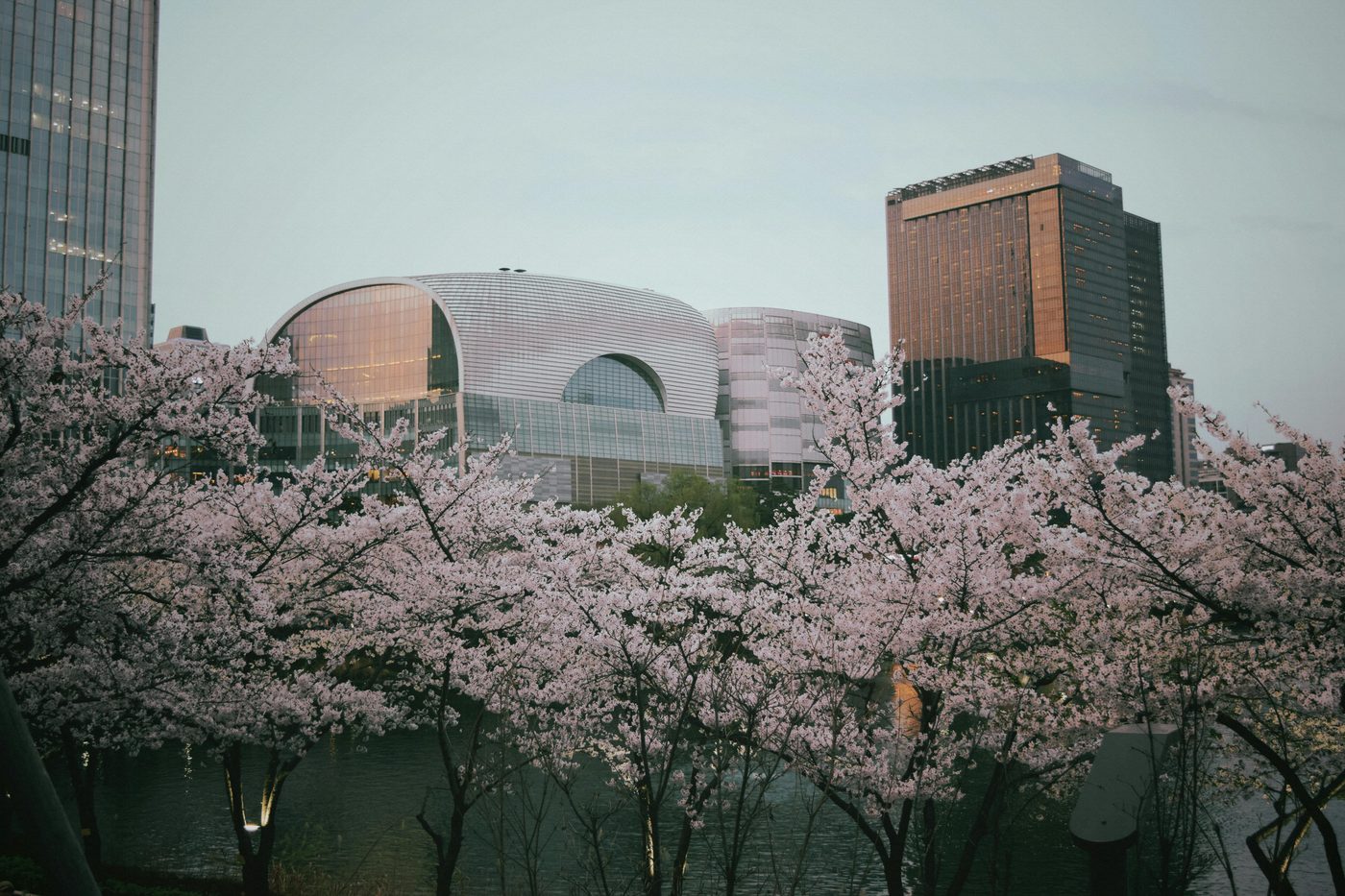
The lake next to Lotte World Tower in Songpa-gu. About 1,000 cherry trees ring the lake, and the combination of pink blossoms reflected in the water with the 555-meter skyscraper in the background makes for one of the best cherry blossom photos in Asia.
The path around the lake is a 2.5-kilometer loop. It is flat, easy, and there are cafes and benches along the way. Less chaotic than Yeouido and arguably more photogenic. Night visits are worth it too. The trees are lit up and the tower glows in the background.
How to get there: Jamsil Station (Lines 2 and 8), Exit 3.
Yeonhui-ro
The local pick. This residential street near Yeonhui-dong is lined with old cherry trees that create a full canopy over the road. There is no festival, no food stalls, no tourist infrastructure. Just a quiet street with big trees and mostly local foot traffic.
It is the kind of spot you find when you live here. Less convenient than Yeouido or Seokchon Lake, but the atmosphere is calm and you can actually take photos without 200 people in the frame.
How to get there: Yeonsinnae Station (Line 3 or 6), walk south about 10 minutes.
Watch
Cherry blossoms in Korea
Jinhae Cherry Blossom Festival
The biggest cherry blossom festival in Korea, and one of the biggest in Asia. Jinhae is a small city in South Gyeongsang Province (near Changwon) with over 360,000 cherry trees. During the festival (typically late March to early April, about 10 days), the entire city turns pink.
The two must-see spots in Jinhae:
Yeojwacheon Stream: Cherry trees line both sides of a stream that runs through the city. The branches hang over the water and petals float on the surface. It is the image you have seen on every Korea spring travel post.
Gyeonghwa Station: An old, abandoned train station with tracks lined by cherry trees. The combination of rusted rails, wooden platform, and blossoms is one of the most photographed spots in Korea.
Jinhae is about 3.5 hours from Seoul by bus (from Seoul Express Bus Terminal, around 25,000 KRW) or 1 hour from Busan by bus. Many people combine a Jinhae visit with a Busan trip. The festival draws over 2 million visitors, so expect crowds, especially on weekends.
Gyeongju
The ancient capital of the Silla dynasty, Gyeongju is worth visiting in any season. During cherry blossom season, it becomes something else entirely. The trees line the roads between the royal tombs (Daereungwon), and the contrast of pink blossoms against the green burial mounds is unique to Gyeongju.
Bomun Lake, about 20 minutes east of central Gyeongju, has a 8-kilometer cherry blossom path around the water. It is less crowded than Jinhae and more scenic than most Seoul spots. If you are choosing between Jinhae and Gyeongju, Gyeongju offers more to do beyond the blossoms (temples, tombs, museums, the Bulguksa area).
Getting there: KTX from Seoul to Singyeongju Station (2 hours, 46,800 KRW), then bus or taxi to the city center.
What to Wear
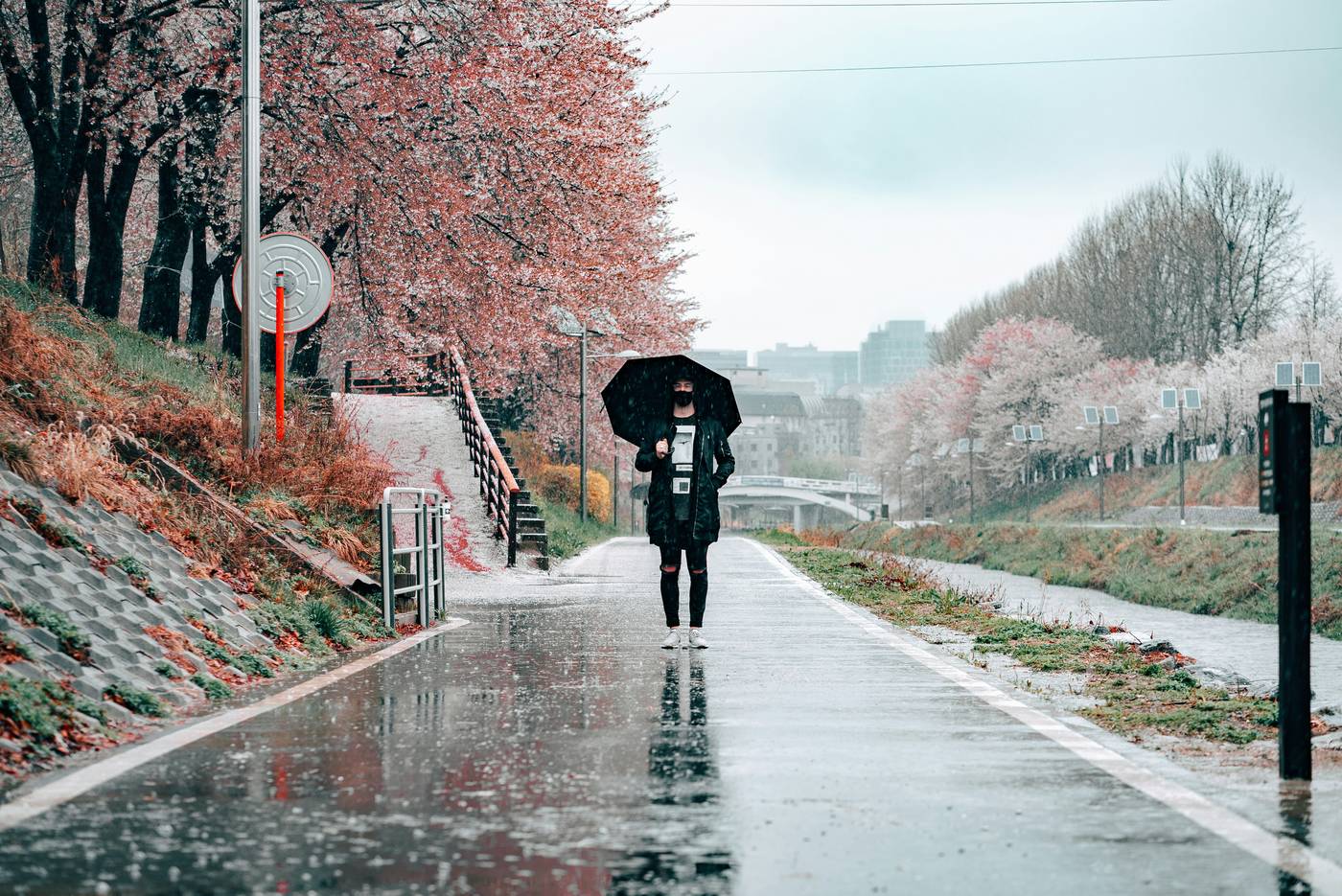
Cherry blossom season in Korea is early spring, and early spring here means unpredictable. Daytime temperatures range from 10-18 degrees Celsius. Mornings and evenings can drop to 5-8 degrees. It can rain without warning.
Bring layers. A light jacket or windbreaker over a long-sleeve shirt works for most days. Wear comfortable walking shoes (you will walk a lot). Bring a compact umbrella. Do not pack for warm weather. I have seen tourists in t-shirts and shorts in early April, shivering by noon.
Photography Tips
- Go early. Golden hour (6:30-8:00 AM) gives you warm light and empty paths. By 10 AM, every popular spot is crowded.
- Shoot up. Point your camera up through the branches against the sky for clean, uncluttered compositions. Looking up also avoids the crowds in your frame.
- Find water. Cherry blossoms reflected in ponds, streams, or lakes double the visual impact. Seokchon Lake, Yeojwacheon Stream in Jinhae, and Bomun Lake in Gyeongju are the best reflection spots.
- Wait for wind. A light breeze sending petals through the air (called “cherry blossom rain” in Korean, beotkkot bi) makes for the most memorable photos and videos.
- Include scale. A person walking under a canopy of blossoms, a bench under a tree, a bicycle leaning against a trunk. Something that gives the viewer a sense of size.
How Crowded Does It Really Get?
Very. Cherry blossom season is peak domestic tourism in Korea. Yeouido during the festival weekend can see 500,000+ visitors in a single day. Jinhae gets 2 million visitors over 10 days. Hotels in popular areas book up 2-3 weeks in advance. Restaurant wait times spike.
The crowds are manageable if you plan around them. Weekday mornings are calm. Weekend afternoons are chaos. The smaller spots (Yeonhui-ro, Bomun Lake, neighborhood parks) are significantly less crowded than the famous ones.
What If You Miss Peak Bloom?
This happens. Weather shifts, flights get booked too early, peak bloom comes a week sooner than predicted. Here is the backup plan:
- If you are early (blossoms have not opened yet): Head south. Jeju and Busan bloom 1-2 weeks before Seoul. A day trip or overnight to Busan during late March can catch southern blossoms even if Seoul is still bare.
- If you are late (petals are falling): This is actually beautiful in its own way. The falling petals create carpets of pink on the ground and “snow” in the air. Seokchon Lake during petal fall is arguably more photogenic than peak bloom.
- If you miss them entirely: Korea in April is still excellent. The weather is mild, the parks are green, and there are fewer tourists. Focus on food, neighborhoods, and hiking. Read our 3-day Seoul itinerary for a trip that works in any season.
The honest advice: do not build your entire Korea trip around cherry blossoms. Build a trip that sounds good regardless, and if the blossoms happen to peak while you are there, it is a bonus. That way, you win either way.